Canadian Prime Minister Mark Carney has articulated a nuanced and evolving foreign policy, refusing to definitively rule out military action in the face of escalating global conflicts. From the Middle East to Ukraine, Carney’s administration is navigating a fragmented international order, emphasizing the vital role of “middle powers” in shaping future rules. His statements underscore Canada’s commitment to its allies and citizens, even as it seeks to reduce reliance on traditional partners and forge new strategic alliances. This posture highlights a pivotal shift in Canadian diplomacy, prioritizing collaborative frameworks and robust defence capabilities amidst heightened geopolitical tensions.
Canada’s Conditional Stance on Middle East Military Action
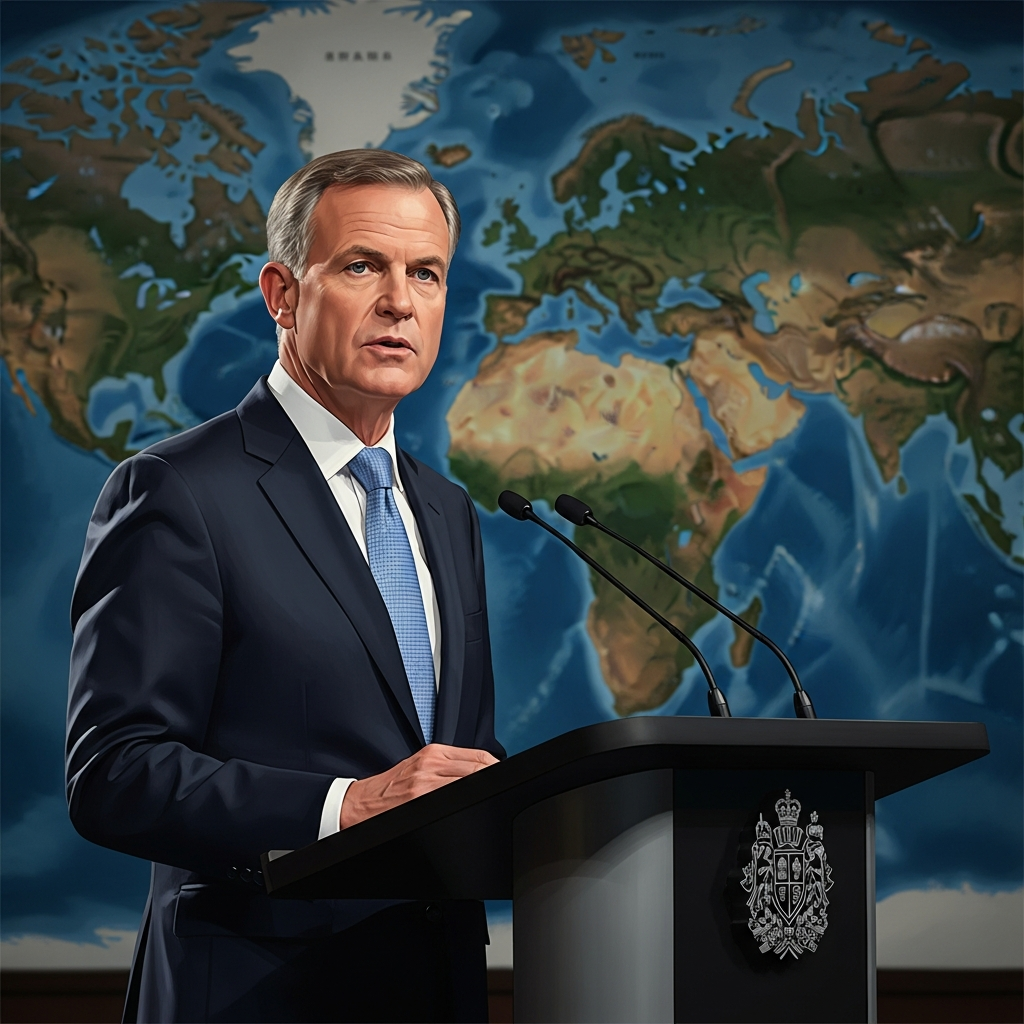
Prime Minister Carney’s recent visit to Australia brought into sharp focus Canada’s cautious yet firm approach to the widening conflict in the Middle East. While addressing the Australian Parliament, Carney stated he would not “categorically rule out” deploying Canadian military personnel. This potential action, he clarified, would be extraordinary. It would specifically aim to support allied nations or ensure the safety of Canadians abroad.
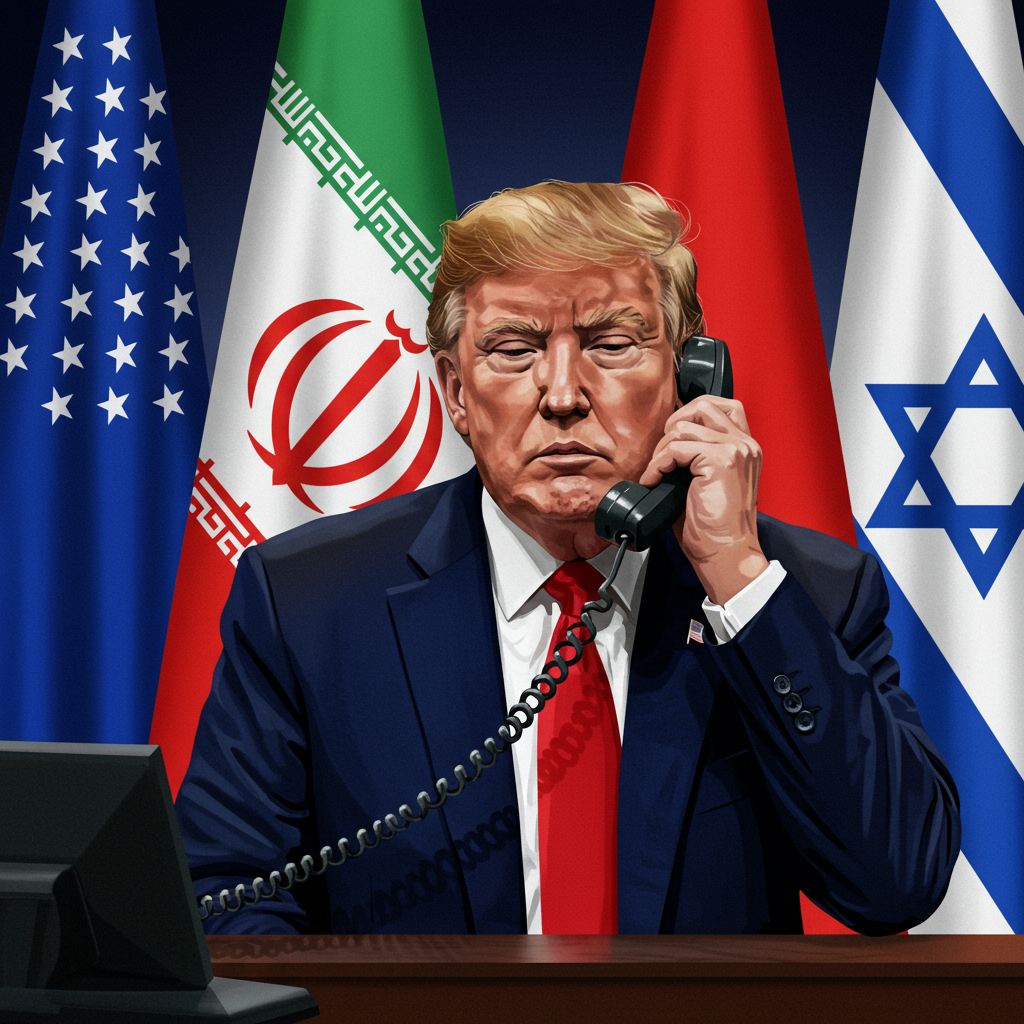
However, Carney drew a clear distinction. He differentiated any potential Canadian involvement from the “pre-emptive offensive actions” taken by the United States and Israel. Canada, he noted, was not consulted on these strikes and is not party to them. As of March 2026, no specific Canadian military operations were under development. Ottawa was instead focused on arranging flights to help over 2,000 Canadians requesting assistance to leave the turbulent region. Carney reiterated Canada’s strong stance against Iran obtaining nuclear weapons. He called for an immediate “de-escalation” of the conflict, regretting the failure of international order to prevent such crises.
Forging a New Global Order: The Power of Middle Nations
Carney’s broader diplomatic tour through the Asia-Pacific region highlights a significant strategic pivot. He openly frames this initiative as a necessary “hedge” against what he describes as a “fading US-led global order.” The Prime Minister’s vision champions the collective strength of “middle powers.” These nations, he argues, must collaborate to navigate an increasingly “hegemonic world order.”
In his address to the Australian Parliament, Carney issued a “rallying cry.” He stressed that countries like Canada and Australia face a critical choice: actively work together to shape new international rules or passively allow “great powers” to dictate them. “Middle powers cannot simply build higher walls and retreat behind them,” Carney declared. He believes that while great powers can compel, such actions carry considerable “reputational and financial costs.” Conversely, middle powers possess a unique “convening power” due to their trusted commitment to shared values. Carney warned that failure to cooperate risks nations being “caught between the hyperscalers and the hegemons.” This philosophy informs Canada’s drive for robust and diversified international partnerships.
Canada and Australia: Critical Mineral Superpowers and Strategic Cousins
A cornerstone of Canada’s new foreign policy strategy is deepening ties with “like-minded partners” such as Australia. Carney emphasized that Canada and Australia are “natural partners” and “strategic cousins.” During his visit, they announced substantial collaboration across several vital sectors. A key achievement was Australia joining the Group of Seven Critical Minerals Production Alliance (G7-CMPA). Canada initiated this alliance at the 2025 G7 Leaders meeting in Kananaskis, Alberta.
The G7-CMPA aims to mobilize significant public and private capital. Its goal is to accelerate critical mineral projects, secure off-take purchase agreements with allied nations, and promote standards-based markets. Canada and Australia collectively possess immense critical mineral reserves, ranking as “critical mineral superpowers.” They produce a substantial portion of the world’s lithium (34%), uranium (32%), and iron ore (41%). A formidable “$25-billion war chest” is earmarked for project development, underpinning the supply chains for essential modern technologies like electric vehicles, smartphones, and AI systems. This partnership is a clear example of middle powers working with speed and purpose.
Enhancing Defence and Security Capabilities
Beyond critical minerals, the Canada-Australia partnership extends to crucial defence and security cooperation. Canada selected Australia’s advanced JORN over-the-horizon radar system. This system is capable of detecting threats up to 3,000 kilometers away and will be vital for Canada’s northern defence. Canadian Armed Forces personnel are scheduled to begin training on this radar system in mid-2026.
Discussions were also launched for a Status of Forces agreement. This agreement aims to streamline the movement of defence equipment and personnel between the two nations. Furthermore, Canada and Australia agreed to integrate their defence sectors more closely. This involves reducing export controls and jointly designing, developing, and manufacturing military equipment. These initiatives collectively strengthen the two nations’ capabilities. They also contribute to a more resilient collective defence posture in an unpredictable world. A new partnership was additionally established to generate trade and investment opportunities in clean energy.
Ukraine’s Future: Canada’s Commitment to Security Guarantees
Prime Minister Carney’s commitment to robust security frameworks extends to the ongoing conflict in Ukraine. During his first visit to Kyiv in August 2025, he met with Ukrainian President Volodymyr Zelensky. Carney announced Canada’s unwavering support for strong security guarantees for Ukraine as part of any future peace deal. Crucially, he explicitly stated that Canada would not rule out sending troops under such a framework.
This significant declaration comes over three and a half years after Russia’s full-scale invasion. It coincides with ongoing peace efforts led by US President Donald Trump. Ukraine is actively developing frameworks for post-war security guarantees with its European allies. President Zelensky has consistently expressed his desire for these guarantees to be “as close as possible to NATO’s Article 5.” This article signifies that an attack on one member is considered an attack on all. Canada’s pledge of potential troop deployment directly backs Ukraine’s calls for international participation in these arrangements. Additionally, Ukraine is slated to receive an extra C$1 billion (US$723 million) in military aid from a previously announced package, further solidifying Canada’s support.
Navigating the Geopolitical Chessboard
Carney’s foreign policy vision consistently emphasizes that while great powers will always influence world affairs, “middle powers that trust each other enough to act with speed and purpose” can exert significant influence. He provided successful examples of such collaboration. These include the 32-country Coalition of the Willing providing aid to Ukraine. Another effort seeks to connect the 11-member Trans-Pacific Partnership (TPP) trade zone with the 27-country European Union (EU). This proposed mega-bloc would encompass 1.5 billion people.
Carney views this as a “public good,” anchoring a new rules-based trading system as the old one falters. This new system would be founded on common standards and shared values. Canada, a TPP member with an EU trade deal, may not directly benefit from this specific merger. However, it strongly supports the overarching goal of creating stable, values-driven economic blocs. This comprehensive approach reflects Carney’s long-standing belief in multilateral cooperation among middle powers. He sees it as essential for navigating a complex and ever-changing global landscape.
Frequently Asked Questions
What factors would lead Canada to consider military action in the Middle East?
Prime Minister Mark Carney has stated that Canada would not “categorically rule out” military deployment to the Middle East if circumstances warranted. This would be an extraordinary measure, primarily aimed at supporting Canadian allies or defending Canadian citizens. He explicitly differentiated such potential actions from “pre-emptive offensive actions” by other nations, emphasizing that Canada was not consulted on such previous strikes. While no current military operations are planned, the Canadian government is actively assisting over 2,000 Canadians seeking to leave the region.
How is Canada strengthening its alliances with “middle powers” like Australia?
Canada is deepening its alliances with “middle powers” like Australia through multi-faceted cooperation. A key initiative is the Group of Seven Critical Minerals Production Alliance (G7-CMPA), aimed at securing critical mineral supply chains for modern technologies. Both nations, recognized as “critical mineral superpowers,” have committed a “$25-billion war chest” for project development. Additionally, partnerships in defence are expanding, including Canada’s adoption of Australia’s JORN radar system, discussions for a Status of Forces agreement, and plans to integrate their defence sectors for joint equipment development. New clean energy trade and investment opportunities are also being pursued.
What is the significance of Canada’s potential troop deployment to Ukraine under a peace deal?
Prime Minister Mark Carney’s statement that Canada would not rule out sending troops to Ukraine under a peace deal framework is highly significant. It signals Canada’s strong commitment to ensuring Ukraine’s long-term security following the conflict. This aligns with Ukraine’s desire for post-war security guarantees “as close as possible to NATO’s Article 5,” which stipulates collective defence. Canada’s willingness to participate in such a framework underscores its role in international security arrangements and its support for a stable, rules-based global order, even amid evolving geopolitical challenges.
Conclusion
Prime Minister Mark Carney’s recent statements and diplomatic efforts paint a clear picture of Canada’s evolving foreign policy. Faced with a fragmented global order and escalating conflicts, Canada is adopting a proactive, yet carefully considered, stance. By refusing to rule out military action in both the Middle East and Ukraine, while simultaneously emphasizing diplomatic solutions and multilateral cooperation, Carney is steering Canada towards a more independent and influential role on the world stage. The focus on strengthening alliances with “middle powers” like Australia, particularly in critical minerals and defence, is central to this strategy. This approach aims to secure Canada’s interests and contribute to shaping a new, more stable global architecture, founded on shared values and collective action. Staying informed about these developments will be crucial as Canada navigates these complex geopolitical currents.