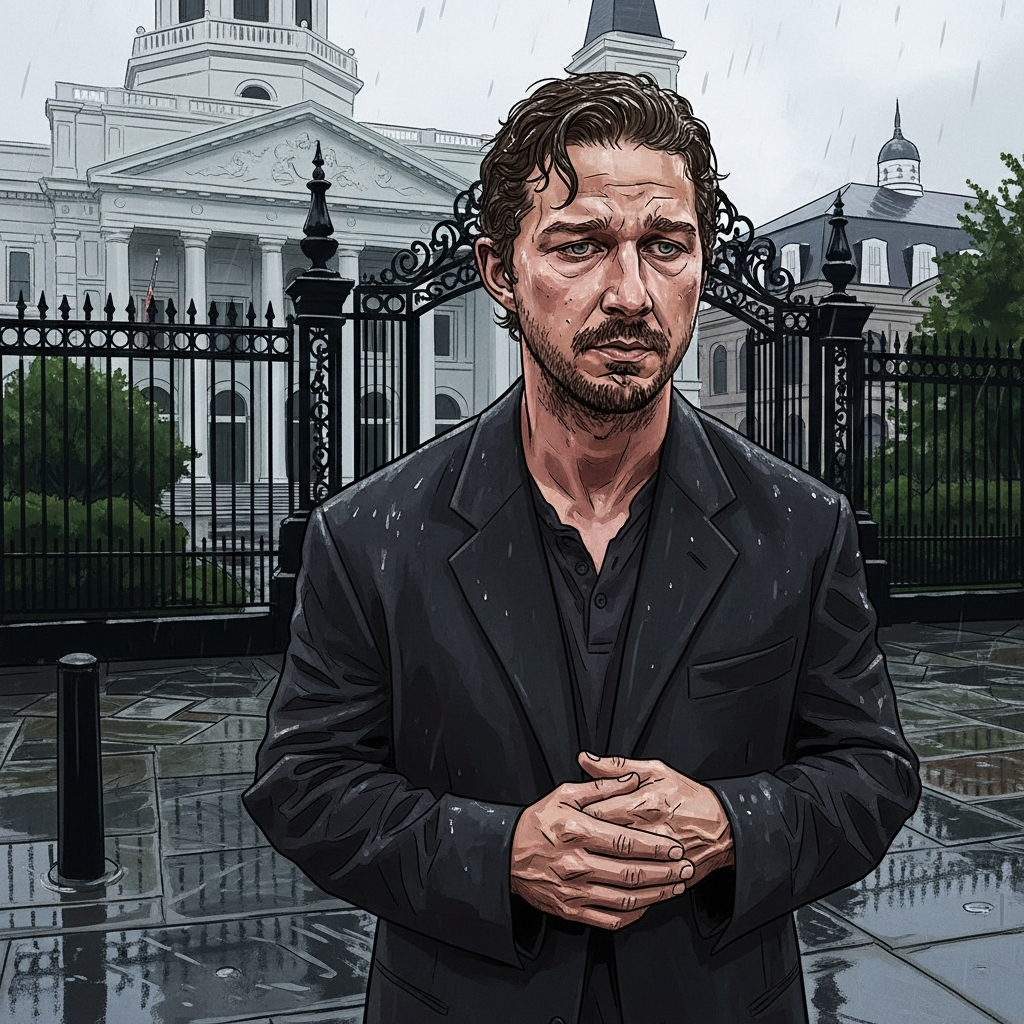
Actor Shia LaBeouf is once again making headlines, facing a new arrest warrant in New Orleans related to a tumultuous Mardi Gras incident earlier this year. This latest development adds a third battery charge to an already complex legal battle for the 39-year-old public figure. Following the issuance of the new warrant, LaBeouf reportedly surrendered to authorities, marking a significant turn in the ongoing investigation into alleged altercations and homophobic slurs. The situation underscores persistent concerns regarding the actor’s conduct and legal challenges, capturing widespread media attention.
The Latest Legal Twist: A New Warrant Issued
On Friday, February 27, 2026, the New Orleans Police Department (NOPD) issued an additional warrant for Shia LaBeouf’s arrest. This new warrant brought a third count of simple battery against the actor. The charge stems from an alleged head-butting incident involving an additional victim, linked to the same chaotic events that unfolded during Mardi Gras weekend. Subsequently, LaBeouf voluntarily turned himself in to the Orleans Parish jail on Saturday, March 1, 2026. After appearing for a Saturday afternoon bail hearing, he posted a $5,000 bond, securing his release as the legal proceedings continue.
Adding to Existing Charges
This third battery count is an expansion of an existing case. LaBeouf was initially facing two counts of simple battery following an incident on February 17. The new warrant, first reported by WWL Louisiana, was independently confirmed by The Guardian through a criminal justice source. It signifies an escalation in the legal ramifications for LaBeouf. His defense attorney, Sarah Chervinsky, has voiced strong opinions regarding the handling of her client’s case, suggesting an unfair disparity in treatment due to his celebrity status.
Unpacking the Mardi Gras Mayhem: The Original Incident
The root of LaBeouf’s current legal troubles traces back to February 17, 2026, during the vibrant Mardi Gras celebrations in New Orleans. That night, at approximately 12:45 AM, an incident unfolded at the R Bar in the city’s Marigny neighborhood. Reports indicate that LaBeouf was asked to leave the establishment but allegedly became increasingly aggressive. He is accused of striking multiple individuals and shouting homophobic slurs during the disturbance.
Details of the Altercation
According to court records and a New Orleans police report, LaBeouf’s behavior escalated rapidly. He reportedly shoved one person to the ground and struck another in the face, potentially causing a dislocated nose. Jeffrey Damnit, a local entertainer also identified as Jeffrey Klein in police reports, claimed to be one of LaBeouf’s victims. Damnit recounted LaBeouf “just got nuts,” attempting to provoke fights, hitting him several times, pushing him, and threatening his life while using derogatory terms. Despite efforts by Damnit and others to de-escalate the situation and prompt LaBeouf to leave, his aggression reportedly intensified until police arrived, leading to his initial arrest.
Post-Arrest Behavior
Following his initial arrest on two counts of simple battery, LaBeouf was released on his own recognizance, meaning no bond was required at that time. However, his actions post-release raised eyebrows. He was reportedly seen partying on Bourbon Street later that same Mardi Gras day. Exclusive photos even captured him “poking fun” at his arrest by dancing with his jail paperwork in his mouth, a gesture that some found to be insensitive given the serious nature of the allegations, particularly those involving homophobic slurs.
Courtroom Drama: Judge’s Concerns and Bail Conditions
The legal saga took a more serious turn during a subsequent court hearing on Thursday, February 26, 2026, just a day before the new warrant was issued. During this appearance in New Orleans criminal district court, Judge Simone Levine presided over LaBeouf’s case. Her demeanor indicated significant concern over the actor’s actions and apparent lack of seriousness regarding his circumstances.
Judge Levine’s Stern Rebuke
Judge Levine expressed profound doubts about LaBeouf’s commitment to addressing his issues, stating he “does not take his alcohol addiction seriously” and doubted his ability to “handle his alcohol.” She underscored the severity of the allegations, particularly noting the impact on the LGBTQ+ community. “This court does not believe he understands the level of seriousness when it comes to these allegations,” Judge Levine remarked, highlighting concerns for “the safety of this larger community, especially relative to a marginalised [LGBTQ+] community that has gone through so much terror.”
High Bond and Mandated Treatment
As a result of these concerns, Judge Levine imposed a substantial $100,000 bond for LaBeouf to remain out of custody. She also mandated that he undergo drug testing and enroll in substance abuse treatment. LaBeouf reportedly took a drug and alcohol test at the courthouse. Although specific findings were not disclosed, the judge’s comments indicated that the results were concerning. The court also denied his request to travel to Rome in March for “religious observations,” which included his father’s baptism. LaBeouf posted the $100,000 bond after the hearing, quickly leaving to avoid reporters.
A Defense Against “Disproportionate Treatment”
LaBeouf’s private defense attorney, Sarah Chervinsky, quickly issued a public statement challenging the court’s actions. She argued that the treatment of her client was disproportionate and unjust due to his public profile. “No regular person would be required to post over $100,000 in bonds and be jailed two separate times for one misdemeanor incident,” Chervinsky contended. She emphasized that while LaBeouf does not seek preferential treatment, he also “does not deserve to be treated more harshly by the police and courts just because he is a public figure.” This argument highlights the unique pressures and scrutiny faced by celebrities in legal battles.
LaBeouf’s Controversial Public Statements
Adding another layer of controversy to the ongoing situation are Shia LaBeouf’s recent public comments. In an interview with Andrew Callaghan’s Channel 5, published on YouTube the same Saturday as his latest arrest, LaBeouf offered a defense of his actions that quickly drew criticism. His statements provided a window into his perspective, albeit a contentious one.
“Big Gay People Are Scary”
During the interview, LaBeouf stated, “I’ll be honest with you, big gay people are scary to me.” He elaborated, “When I’m like standing by myself and three gays are next to me, touching my leg, I get scared. I’m sorry. If that’s homophobic, then I’m that. Yeah.” He attributed his arrest to an incident that “happened one time.” While confessing he was “wrong for touching anyone. Ever. And that’s the end of my statement on this whole s—t,” he also clarified that he’s “good with gay, [but] be gay over there, though. Don’t be gay in my lap.” He concluded his explanation by attributing his behavior to being drunk and it being Mardi Gras, saying, “So, everything I’m saying is nonsense.” These comments have further fueled public debate about his conduct and his understanding of the impact of his words and actions.
A Pattern of Concern: Prior Incidents and On-Set Behavior
The recent Mardi Gras incident is not an isolated event in Shia LaBeouf’s career, which has been marked by a series of legal troubles and public controversies. These past incidents contribute to the ongoing narrative surrounding his conduct and his struggles with substance abuse. Understanding this broader context can shed light on the recurring nature of his challenges.
Past Allegations and Sobriety Claims
In 2020, LaBeouf disclosed that he was in therapy and a 12-step program, following serious allegations of physical, emotional, and mental abuse made by his former girlfriend, musician FKA Twigs. At the time, he spoke about his purported sobriety and commitment to recovery. The current allegations, particularly Judge Levine’s recent assessment of his alcohol addiction, starkly contrast with these earlier claims and raise questions about the efficacy of his previous treatment efforts.
On-Set Concerns
Months prior to the New Orleans arrest, concerns about LaBeouf’s behavior had already surfaced within the entertainment industry. Production sources for his upcoming movie The Rooster Prince told Rolling Stone in November that his increasingly erratic behavior had sparked alarm on set. One production member described him as “completely wild” and expressed serious doubt about his stability. “I don’t think he’s stable. I don’t know that he’s been stable for a while,” the source reportedly stated. These insights suggest a consistent pattern of concerning behavior predating the recent Mardi Gras incident, painting a picture of an actor grappling with significant personal and professional challenges. The public and his colleagues are watching closely as his legal battles unfold.
Frequently Asked Questions
What are the specific charges Shia LaBeouf is currently facing in New Orleans?
Shia LaBeouf is currently facing three misdemeanor counts of simple battery in New Orleans. Initially arrested on February 17, 2026, for two counts, a new warrant issued on February 27, 2026, added a third charge. These charges stem from an alleged altercation at the R Bar during Mardi Gras, where he is accused of punching multiple individuals, head-butting a third person, and shouting homophobic slurs. The legal process is ongoing, with LaBeouf having surrendered and posted bond for the latest warrant.
What was Judge Simone Levine’s stance on LaBeouf’s recent conduct and bail conditions?
During a court hearing on February 26, 2026, Judge Simone Levine expressed significant concern over Shia LaBeouf’s behavior. She stated that he “does not take his alcohol addiction seriously” and doubted his ability to “handle his alcohol.” Judge Levine set a substantial $100,000 bond for his release and mandated that he undergo drug testing and enroll in substance abuse treatment. She also denied his request to travel for “religious observations,” emphasizing the seriousness of the allegations and concerns for community safety.
How has Shia LaBeouf or his legal team responded to the new charges?
Shia LaBeouf voluntarily surrendered to police after the new warrant was issued and posted a $5,000 bond for the third battery charge. His defense attorney, Sarah Chervinsky, publicly argued that LaBeouf is being treated disproportionately due to his celebrity status, highlighting the high bond amount and multiple jailings for a misdemeanor incident. LaBeouf himself made controversial statements in a Channel 5 interview, admitting to being “wrong for touching anyone,” but also attributing his behavior to being drunk during Mardi Gras and expressing fear of “big gay people.”
Conclusion
The ongoing legal troubles surrounding Shia LaBeouf continue to evolve, with a new warrant adding a third battery charge to his existing case in New Orleans. This situation, stemming from a tumultuous Mardi Gras incident marked by allegations of physical altercations and homophobic slurs, has drawn significant public and judicial scrutiny. Judge Simone Levine’s stern stance, mandating a high bond and substance abuse treatment, underscores the seriousness with which the court views LaBeouf’s actions and his apparent struggles with alcohol addiction.
While his attorney contends that LaBeouf is facing disproportionate treatment due to his celebrity, the actor’s own controversial public statements, made shortly after his latest arrest, have further complicated public perception. These events add to a pattern of past legal issues and concerns about his conduct, raising questions about his path forward. As the legal proceedings unfold, the entertainment world and the public will be watching closely to see how this complex and high-profile case ultimately resolves, and what impact it will have on the future of the embattled actor.