Anticipation is building for Apple’s upcoming “experience” media event on March 4th. Far from a typical keynote or simple press release, this unique gathering signals significant announcements. Apple CEO Tim Cook has even teased “innovations that have never been seen before,” sparking immense speculation across the tech world. As the notoriously secretive company prepares to unveil at least five new products, industry insiders and consumers alike are buzzing with crucial questions. This deep dive explores the biggest unanswered queries surrounding the rumored budget MacBook, iPhone 17e, M5-powered devices, and more.
Decoding Apple’s March Event: Key Questions to Watch
Apple’s decision to host an “experience” rather than a full keynote suggests a focused, hands-on presentation for select media. This format is noteworthy, as iterative updates often receive “silent press release” treatment. The upcoming week is expected to be packed with new hardware, potentially including a more affordable MacBook, the next-generation iPhone 17e, refreshed iPads, and boosted Mac models. Yet, despite numerous leaks, several pivotal questions remain.
Will the iPhone 17e Embrace the Dynamic Island or Retain the Notch?
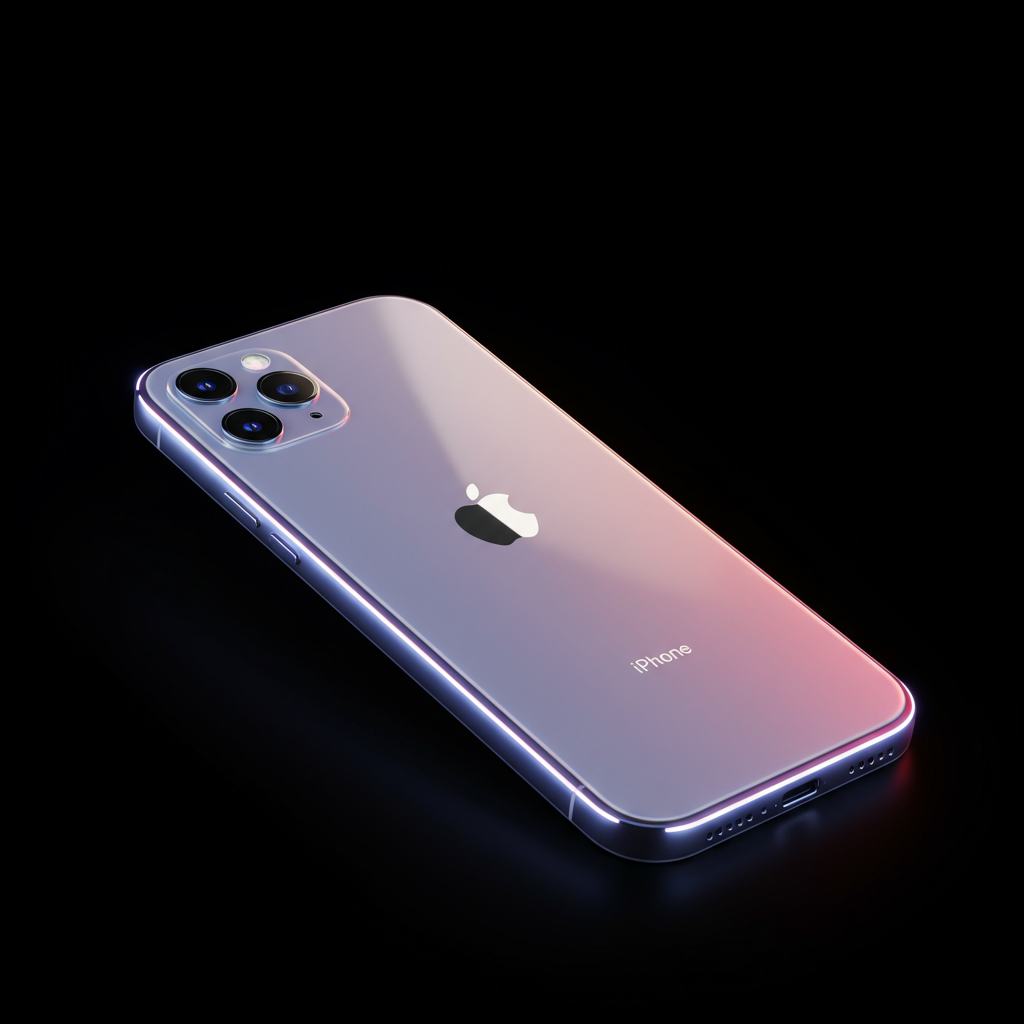
A year ago, Apple retired its popular iPhone SE branding, introducing the iPhone 16e. This successor brought welcomed camera and display upgrades, along with a notable price increase. Now, the iPhone 17e is on the horizon, expected to feature the A19 chip and MagSafe compatibility. The big design question? Will it finally drop the traditional notch in favor of the more modern Dynamic Island?
Rumors are currently split. Some credible leakers suggest a long-awaited design refresh, moving to the Dynamic Island. Others contend the notch will remain. Historically, the iPhone SE series famously retained its older design for years. This makes a rapid redesign of the “e” series seem less likely. However, for a device that, despite its higher cost, still offers fewer features than some budget Android competitors, adopting the Dynamic Island could be a strategic move. Such a change would make the iPhone 17e far more visually appealing and competitive.
What’s the Status of Siri 2.0 and Apple Intelligence?
At WWDC24, Apple previewed a dramatically enhanced Siri 2.0, promising advanced capabilities like on-screen content awareness and personal context understanding. These groundbreaking “Apple Intelligence” features were initially expected to debut with iOS 26.4. However, they have faced repeated delays. Now, reports hint at a possible launch with iOS 26.5.
If Apple’s engineers have working test software for these AI features, the March 4th event presents a unique opportunity. Will Apple offer a tantalizing tease to reassure users and shareholders about its long-term AI vision? Or, having learned from past delays, will it wisely avoid making promises about unfinished technology? The broader industry context of AI development is also worth noting. Investor Michael Burry has voiced strong concerns about Big Tech’s massive AI infrastructure spending. He questions the sustainability of companies pouring all cash flow into AI data centers, often resorting to heavy borrowing. Burry’s analysis suggests a “depreciation trap” where rapidly obsolete AI hardware renders traditional accounting practices unrealistic. This financial scrutiny could influence how transparent Apple chooses to be about its AI progress.
How Affordable Will Apple’s New Budget MacBook Truly Be?
The much-anticipated low-cost MacBook is poised to be a star of the March 4th experience. Apple reportedly aims to challenge Chromebooks and other budget-friendly laptops. The notebook is rumored to feature the iPhone 16 Pro’s powerful A18 Pro processor within a vibrant 12.9-inch chassis. This makes it an ideal choice for users who find the $999 MacBook Air too expensive or simply don’t require an M-series chip’s power.
But exactly how “cheap” will it be? Price estimates vary significantly. Some reports suggest a starting price of $599, while others lean towards the $699-$799 range. To put this in perspective, mid-range Chromebooks typically cost between $300 and $600. High-end models can reach $800. A $599 price point would be highly aggressive and strategically effective. It could lure students and young professionals into the Apple ecosystem, potentially securing lifelong customers. However, Apple’s pricing strategy isn’t always predictable. Given past examples, a higher $799 price wouldn’t be entirely surprising, even if it lessens its competitive edge against Chromebooks.
What M5 Chip Configurations Can We Expect for Pro Macs?
Beyond the budget MacBook, new M5 MacBook Pro and Mac Studio models are also on the radar. The MacBook Pro is highly likely to receive M5 Pro and M5 Max configurations, building on the M5’s earlier debut. An intriguing rumor, supported by changes to the online Apple Store’s purchasing flow, suggests users might finally configure CPU and GPU cores separately. This would mark a significant departure from Apple’s long-standing preference for simplified product options.
For the Mac Studio, the release of an M5 Ultra edition remains uncertain. The current Mac Studio offers M4 Max and M3 Ultra variants. Apple has previously indicated that not every M-series chip will receive an Ultra tier. This leaves open possibilities: Apple could offer the M5 Max alongside an unreleased M4 Ultra, or introduce an entirely new M5 Ultra. The complexity of these high-performance chips, and Apple’s strategic rollout, keeps the suspense high.
Will Apple Implement Price Hikes Across its Product Line?
The global tech industry is currently grappling with a RAM shortage, primarily driven by surging demand for AI-related processing. This shortage has led to a subsequent increase in component prices. The big question for Apple fans is whether this trend will translate into higher prices for Apple products.
CEO Tim Cook recently stated that the RAM crisis would not significantly impact Apple during the second quarter. However, he carefully avoided ruling out future price adjustments. This leaves the door open for potential increases. Other tech giants, like Samsung, have justified recent price hikes for their Galaxy S26 series by citing “so much innovation year after year in terms of custom processors, bigger batteries, better screen technology and improved camera technology. And a lot more AI.” Michael Burry’s financial warnings about the unsustainable nature of current AI spending across Big Tech also cast a shadow, suggesting that companies may eventually need to pass costs onto consumers or re-evaluate their financial models.
What’s the Story Behind the Second Studio Display Tier?
Apple’s Studio Display, now four years old, is long overdue for a refresh. While a single “Studio Display 2” has been widely anticipated, code found within macOS suggests something more: two new Studio Displays. At least one of these is rumored to include premium features like HDR content support and a 120Hz refresh rate.
This raises questions about the second model. Will it omit these high-end perks to offer a significantly lower price point, catering to a broader market? Or will it differ in size, providing more display options for diverse professional and casual users? The potential for dual displays indicates Apple’s renewed focus on its external monitor lineup. The specifics of how these two models will differentiate themselves in features, size, and pricing are eagerly awaited.
Frequently Asked Questions
What is Apple’s “March experience” event, and how does it differ from a traditional keynote?
Apple’s “March experience” is a unique media event, distinct from both large-scale keynotes and simple press releases. Unlike a keynote, which is a public presentation, the “experience” is expected to be a more focused, hands-on gathering for select members of the media. This format suggests Apple will unveil significant products—up to five are rumored—but perhaps with less fanfare or a different presentation style than a flagship iPhone launch. It signifies important announcements that warrant more than just a press release but not the full global spectacle of a WWDC or annual iPhone event.
What are the key considerations for customers interested in Apple’s rumored budget MacBook?
Customers eyeing the new budget MacBook should consider its targeted competition: Chromebooks and other affordable laptops. Rumored to feature an A18 Pro processor and a 12.9-inch display, it aims to attract users who find the MacBook Air too expensive. Price is a major factor, with leaks suggesting a range from $599 to $799. A $599 price would be highly competitive, potentially luring students and young adults into the Apple ecosystem. Customers should weigh this against their budget, performance needs, and how deeply they are invested in Apple’s software and services.
What are the major uncertainties surrounding Apple’s upcoming AI features and their potential impact?
The major uncertainties revolve around the delayed Siri 2.0 and “Apple Intelligence” features. Originally expected with iOS 26.4, their launch is now possibly pushed to iOS 26.5. Questions remain whether Apple will tease these tools at the March event to reassure users or avoid making promises about unfinished technology. Broader concerns within the tech industry, highlighted by investor Michael Burry, question the long-term sustainability of massive AI infrastructure spending. This could impact Apple’s future AI rollout, potentially influencing its pricing strategies or the pace of feature deployment.
The March 4th event promises to be a pivotal moment for Apple, offering a glimpse into its near-future product roadmap. From the potential democratization of macOS with a budget MacBook to the evolution of the iPhone “e” series and the future of professional Mac hardware, the stakes are high. As Apple navigates a competitive landscape filled with AI innovations and economic pressures, these upcoming announcements will shape its direction for the coming year. Stay tuned as Apple potentially unveils its “never before seen innovations.”