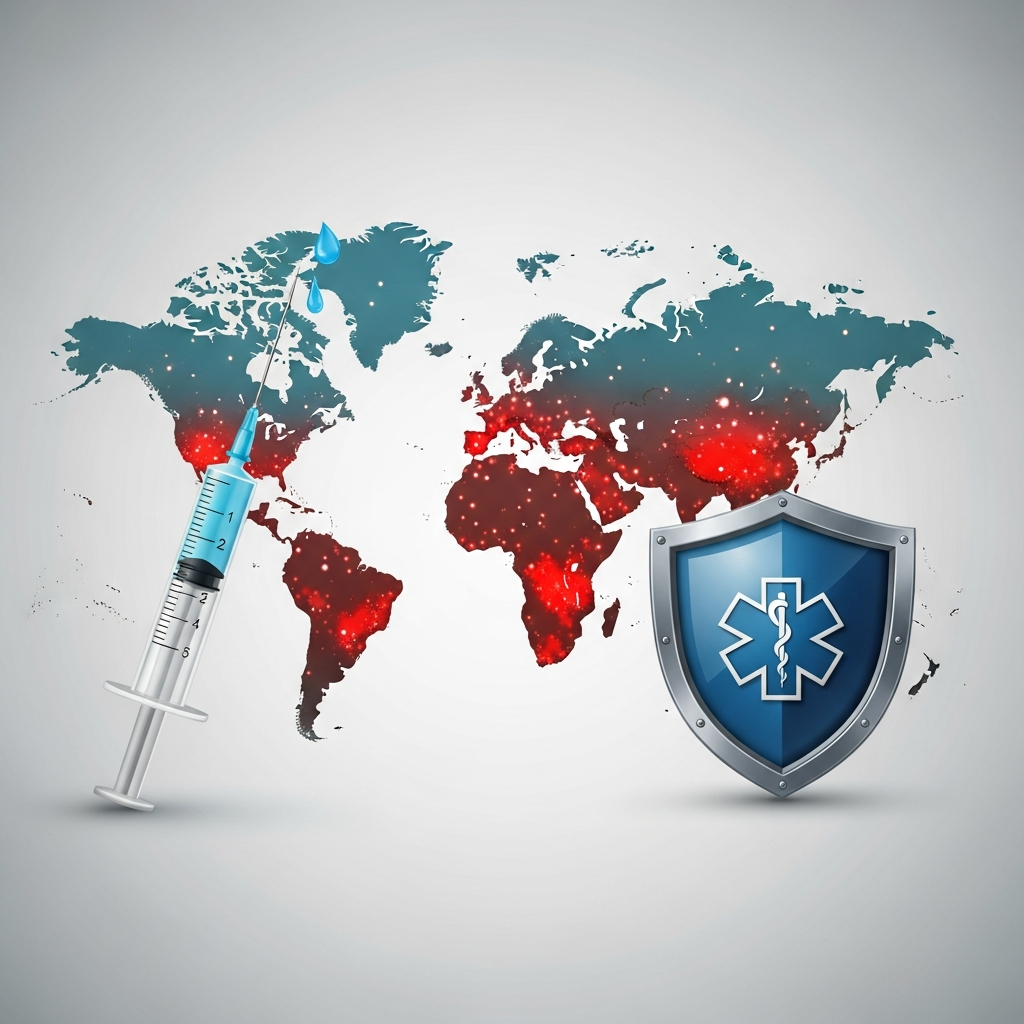
The highly contagious measles virus is making an alarming comeback across the United States and globally, sparking urgent public health concerns. Once considered eliminated in the U.S., recent outbreaks highlight the critical need for robust immunity. This comprehensive guide addresses the vital question: Can you get measles if you’re vaccinated? We’ll explore the MMR vaccine’s remarkable effectiveness, who is most vulnerable, and what steps you can take to safeguard yourself and your loved ones amidst this critical resurgence.
Understanding Measles: A Potent Public Health Threat
Before the measles vaccine’s introduction, this airborne virus was a devastating force. Nearly every child would contract it, leading to an estimated 50,000 hospitalizations and hundreds of deaths annually in the U.S. By 2000, coordinated public health efforts achieved its “elimination” in the nation, effectively halting continuous circulation. However, this success is now under threat.
Measles is exceptionally contagious, far more so than influenza or COVID-19. A single infected individual can transmit it to 12 to 18 non-immune people. The virus can linger in the air or on surfaces for up to two hours, spreading easily through respiratory droplets from coughing or sneezing. Symptoms typically appear 7 to 14 days after infection, starting with a high fever, cough, runny nose, and red, watery eyes (conjunctivitis). A distinctive red rash then emerges 3 to 5 days later, beginning on the face and spreading downwards across the body. Infected individuals are contagious from four days before the rash appears until four days after, making early detection and isolation crucial.
The Alarming Resurgence of Measles Outbreaks
Recent years have seen a significant and worrying uptick in measles cases. In 2025, the U.S. experienced its highest case numbers since before elimination, with outbreaks reported in 44 states. South Carolina, for instance, saw nearly 1,000 cases, surpassing Texas’s previous high of 762. Canada also lost its measles elimination status, while Europe recorded over 127,000 cases in 2024. These outbreaks are not just numbers; they represent a real threat to public health. Last year alone, three people died from measles in the U.S., a stark contrast to only three total deaths recorded between 2000 and the prior year.
The primary driver behind this resurgence is declining vaccination rates. Experts emphasize that achieving “herd immunity” for measles requires approximately 95% of the population to be vaccinated. When kindergarten MMR vaccination coverage dips below this threshold, as it has in recent years (falling to about 92.5% for the 2024-2025 school year), the virus finds fertile ground to spread. While anti-vaccination sentiment plays a role, other factors like vaccine access issues and regional healthcare disparities, particularly in rural communities, also contribute to these concerning drops.
Severe Complications of Measles Infection
Measles is far from a benign childhood illness. Approximately 20% of unvaccinated individuals who contract measles will require hospitalization. The disease can lead to severe and potentially lifelong complications:
Pneumonia: A common and serious complication, especially in young children.
Encephalitis: Brain inflammation, which can result in deafness, intellectual disability, or seizures.
Keratitis: Inflammation of the cornea, potentially leading to blindness.
Immune Amnesia: Even a mild case of measles can cause long-lasting immunosuppression, leaving individuals vulnerable to other infections like flu and tuberculosis for months or even years. This “invisible” impact on the immune system is a major concern.
Subacute Sclerosing Panencephalitis (SSPE): A rare, but almost always fatal, degenerative brain disorder that can manifest years after the initial infection, causing depression, uncontrolled movements, and dementia.
The Power of the MMR Vaccine: Your Best Defense
The Measles, Mumps, and Rubella (MMR) vaccine is an incredibly effective and safe tool against this formidable virus. It has been a routine childhood vaccination since 1968, training the immune system to recognize and combat these diseases.
How Effective is the MMR Vaccine?
The MMR vaccine provides robust, long-term protection.
One dose: Offers approximately 93% effectiveness against measles.
Two doses: Boosts protection to an impressive 97% effectiveness against measles, typically providing lifelong immunity.
This high efficacy is crucial, and it differentiates the MMR vaccine from others like flu or COVID-19 vaccines, which often aim to reduce symptom severity rather than outright prevent infection. With MMR, the goal is complete prevention.
Can Vaccinated People Still Get Measles?
Yes, it is possible, but very rare, for fully vaccinated individuals to contract measles. Approximately 3% of people who receive two doses of the MMR vaccine might experience a “breakthrough infection.” However, these cases are almost universally milder, with reduced symptoms and a significantly diminished ability to transmit the virus to others. In fact, in 2025, 93% of reported U.S. measles infections occurred in individuals who were either unvaccinated or had an unknown vaccination status.
Who Needs the Measles Vaccine and When?
Understanding your vaccination status is key to protection. The current MMR vaccine provides lifelong immunity for most people who receive the full regimen.
Standard Vaccination Schedule
Infants: The first standard dose is recommended between 12 and 15 months of age.
Children: The second dose is typically given between 4 and 6 years of age.
Special Considerations for Adults
Born After 1989: If you received two doses of the current MMR vaccine, you are considered fully protected and generally do not need a booster.
Born Between 1957 and 1989: During this period, only one dose of the MMR vaccine was commonly recommended, or less effective formulations were in use. If you fall into this group and lack documented immunity, consider getting at least one dose of the current live MMR vaccine. Healthcare workers, college students, and international travelers in this age range should ensure they have received two doses.
Born Before 1957: Most individuals born before 1957 are presumed immune due to natural infection during widespread childhood outbreaks. They generally do not need vaccination or boosters. However, healthcare workers in this age group without documented immunity should consider vaccination.
Unsure of Status: If you don’t have access to your vaccination records or are uncertain about your immunity, getting an additional dose of the MMR vaccine is harmless and can provide peace of mind. An MMR titer blood test can also determine if you have protective antibodies.
Early Vaccination for Infants
Infants are vulnerable to measles until they receive their first standard dose at 12-15 months. Parents can opt for an early dose at 6 months if:
They are traveling internationally.
They are living in or traveling to a U.S. area with an outbreak.
They plan to visit heavily touristy places.
This early dose provides critical protection but does not count as one of the two standard doses; infants will still need the full regimen later. Additionally, a child over the age of one can receive their second shot as soon as one month after the first for accelerated protection.
Protecting Vulnerable Populations
Certain groups face elevated risks from measles infection, making robust community immunity even more critical.
Immunocompromised Individuals
People with weakened immune systems, such as those undergoing chemotherapy, radiation, or immunotherapy for cancer, or organ transplant recipients, are particularly vulnerable. The MMR vaccine is a live vaccine and is not suitable for those with severely compromised immune systems due to the risk of the weakened virus causing illness.
If you are immunocompromised:
Avoid travel to areas experiencing measles outbreaks.
Practice stringent hygiene, including frequent hand washing.
Wear well-fitting N95 masks in public or crowded settings.
Ensure close contacts (family, caregivers) are fully vaccinated to create a protective “cocoon” around you. The vaccine strain does not spread between people, so it’s safe to be around recently vaccinated household members.
Consult your doctor about specific precautions, especially if you’ve undergone a bone marrow or stem cell transplant, as these procedures erase prior vaccine immunity, and revaccination may be needed after immune recovery.
Pregnant Women
Measles infection during pregnancy can lead to severe birth defects, miscarriage, or premature birth. If you are pregnant or trying to conceive, it is advisable to check your MMR titers to measure your immunity. If you are not immune, the MMR vaccine should be given before pregnancy, as it is a live vaccine. Mothers can transfer measles antibodies to their fetuses, offering some initial protection to the newborn for a few months.
Travel and Outbreak Zones
If you are fully vaccinated with two doses of the MMR vaccine, it is generally safe to gather in big groups, fly, and travel to areas with known measles outbreaks. The vaccine makes infection incredibly unlikely, and if it occurs, symptoms are usually mild.
However, consider your travel companions, especially if you are with unvaccinated individuals like infants or immunocompromised family members. These groups face an elevated risk and should avoid travel to outbreak areas or receive early vaccination when possible, in consultation with a pediatrician or doctor.
What to Do if Exposed to Measles
If you suspect exposure to measles, especially if you are not immune (unvaccinated, unsure of status, or at higher risk):
Contact your healthcare provider immediately. Post-exposure treatment options, such as measles vaccine or immune globulin, can help prevent the disease if administered within a specific timeframe.
Notify your provider so they can take precautions to prevent further spread if you need to visit a clinic or hospital.
Quarantine at home for 21 days post-exposure, avoiding contact with others, particularly unvaccinated or immunocompromised individuals.
- Monitor for symptoms like fever, rash, cough, runny nose, or red eyes. If these develop, call your doctor before visiting any healthcare facility.
- slate.com
- www.mskcc.org
- www.phillyburbs.com
- www.yalemedicine.org
- www.everydayhealth.com
Frequently Asked Questions
What are the key symptoms of measles and how long does it take for them to appear after exposure?
Measles typically begins with a high fever, cough, runny nose, and red, watery eyes. A characteristic flat, reddish-brown rash usually appears 3 to 5 days later, starting on the face and spreading to the rest of the body. Tiny white spots inside the mouth, known as Koplik spots, can appear a few days before the rash. Symptoms generally manifest one to two weeks (7-14 days) after initial infection, though the individual can be contagious up to four days before the rash appears.
How can I check my measles immunity status or vaccination records?
To verify your measles immunity, you can check your childhood vaccination records, contact your current or previous healthcare providers, or inquire with your state’s Immunization Information System (IIS). If these options are unavailable or inconclusive, your doctor can order an MMR titer blood test. This test measures the presence of measles antibodies, confirming whether you have immunity from past infection or vaccination. If you remain unsure, receiving an additional MMR vaccine dose is generally considered safe and harmless.
Should infants travel to areas with measles outbreaks, and when can they receive early MMR vaccination?
Infants are highly vulnerable to measles before their first standard MMR dose at 12-15 months. It is generally advisable to avoid non-essential travel to areas with known measles outbreaks with unvaccinated infants. However, if travel is unavoidable or you live in an outbreak area, parents can discuss an early MMR dose with their pediatrician for infants as young as 6 months. This early dose provides critical protection but is not counted towards the two standard doses required later for lifelong immunity.
The Path Forward: Collective Immunity
The current measles resurgence is a critical reminder of the fragility of public health achievements. While the U.S. is not alone in grappling with outbreaks, the stakes are high. Public health experts warn that we are “teetering on a precipice” regarding a potential widespread epidemic if vaccination rates continue to decline.
The solution remains straightforward and highly effective: the MMR vaccine. By ensuring you and your eligible family members are fully vaccinated, you not only protect yourselves but also contribute to the crucial herd immunity that shields the most vulnerable among us – infants, pregnant women, and the immunocompromised. Stay informed, consult your healthcare provider, and play your part in securing a measles-free future.