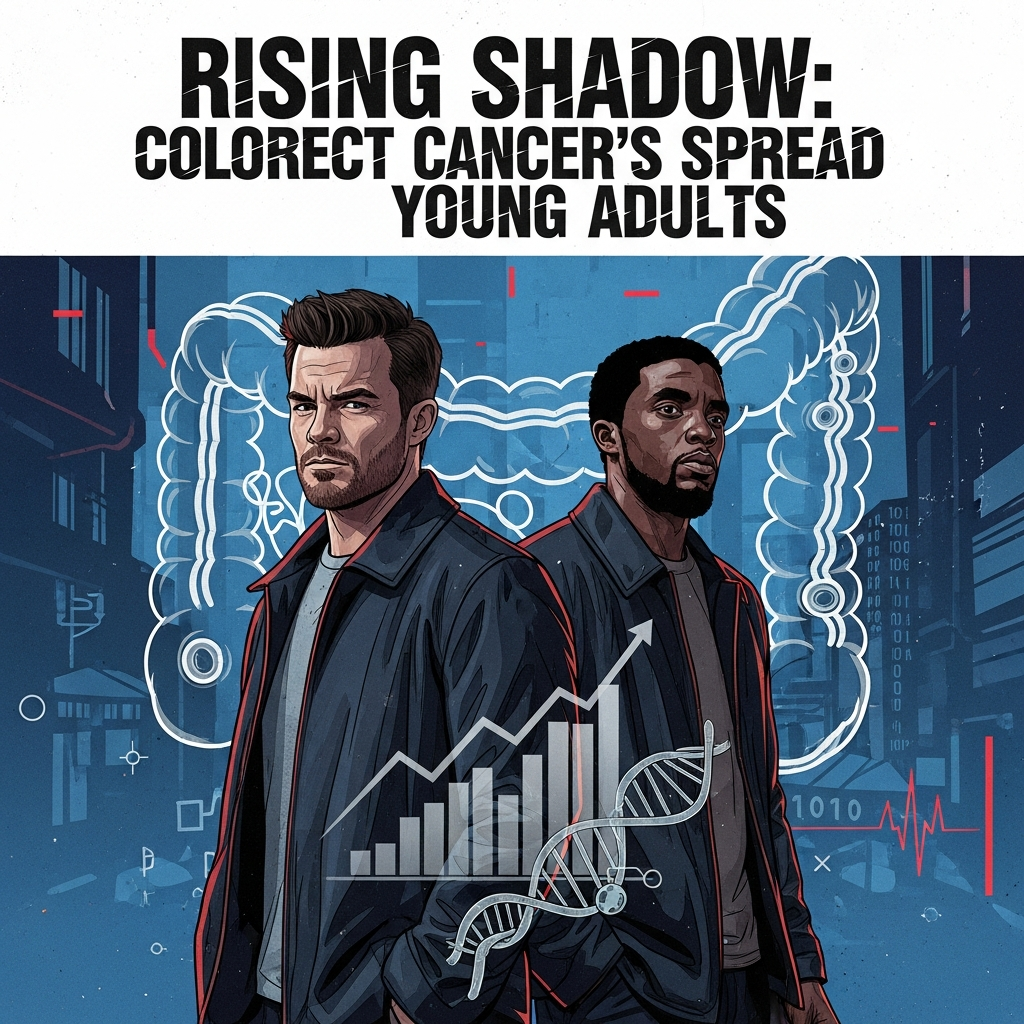
The landscape of cancer is shifting, and one of the most concerning trends is the alarming rise of colorectal cancer (CRC) among younger adults. Once primarily considered a disease of older age, it is now rapidly becoming a significant health threat for Millennials and Gen Zers, marking a profound shift that demands immediate attention. High-profile cases, such as the deaths of actor James Van Der Beek at 48 and Chadwick Boseman at 43, tragically underscore this growing risk to younger populations. Experts are increasingly vocal: colorectal cancer is now the leading cancer killer among Americans under 50.
The Silent Surge: Understanding the Youth Colorectal Cancer Crisis
The statistics paint a stark picture. Colorectal cancer diagnoses in individuals under 55 nearly doubled from 11% in 1995 to 20% in 2019, according to reports from the American Cancer Society (ACS). More troubling still, rates of advanced disease in people younger than 50 increased by roughly 3% annually. While overall CRC cases and deaths have seen a slight decrease in recent years for those aged 50 and older—largely thanks to effective screening—this progress starkly contrasts with the younger demographic. Colorectal cancer mortality in Americans under 50 has paradoxically increased by 1.1% each year since 2005, escalating from the fifth to the first leading cause of cancer deaths in this age group. This isn’t a temporary blip; the trend is persistent.
For young adults, an early colorectal cancer diagnosis can be emotionally devastating. It often disrupts burgeoning careers, creates significant financial strain, and forces critical decisions regarding fertility preservation due to treatment side effects. As Philana Gydricza, a clinical social worker at Smilow Cancer Hospital, describes, it feels like an “intruder.”
Unraveling the Mystery: Why are Younger People Getting Colorectal Cancer?
Researchers like gastrointestinal oncologist Christopher Lieu and cancer researcher Andrea Dwyer are actively investigating this troubling trend, but there isn’t one clear answer. Instead, it appears to be a complex interplay of various factors.
Many researchers are focusing on lifestyle elements. Correlations have been drawn between early-onset colorectal cancer and:
Dietary Habits: High consumption of ultra-processed foods, red meats, and processed foods, coupled with insufficient dietary fiber.
Alcohol Consumption: Even less than one drink a day is linked to increased risk.
Lack of Physical Activity: Sedentary lifestyles contribute to higher risk.
Obesity: A well-known inflammatory driver, though MSK research suggests young CRC patients are often less likely to be obese than the general population, indicating other contributing factors.
However, experts caution that these are currently identified as correlations, not definitively proven causes. Dr. Nilofer Saba Azad of Johns Hopkins Medicine suggests the rise is likely due to environmental factors rather than new genetic occurrences, where the collective impact of several individual factors becomes significant.
A major area of research focus is the gut microbiome. This intricate ecosystem of microorganisms in your gut plays a vital role in digestion and other essential bodily functions. An imbalance in these microbes, known as dysbiosis, can lead to inflammation and negative health effects, potentially increasing cancer risk. Preliminary data from Memorial Sloan Kettering Cancer Center (MSK) indicates that younger people with early-onset colorectal cancer often exhibit less diversity in their gut microbiome compared to older patients, alongside a different microbial composition.
Dr. Andrea Cercek, Co-Director of The Center for Young Onset Colorectal and Gastrointestinal Cancer at MSK, hypothesizes that “an environmental exposure—or multiple exposures—that people born starting in the 1950s came in contact with,” possibly originating in the 1960s or ’70s, could be a key driver. Researchers are exploring how factors like antibiotic use, dietary shifts, C-section delivery patterns, and even childhood factors might impact the microbiome and overall health at younger ages.
Understanding Your Colorectal Cancer Risk Factors
Beyond the still-unfolding mystery of early-onset cases, several established factors can increase your risk of colorectal cancer at any age:
Diet: A diet high in red and processed meats, coupled with inadequate dietary fiber, significantly raises risk. Dr. Marshall recommends a diet rich in fruits, vegetables, and whole grains.
Alcohol Consumption: Alcohol is a known carcinogen. Even moderate intake can elevate your risk.
Smoking: Tobacco use, including e-cigarettes, is a major risk factor.
Obesity: Maintaining a healthy weight is crucial, as obesity contributes to inflammation.
Lack of Physical Activity: Regular exercise can significantly reduce risk and even improve survival rates for those diagnosed.
Inflammatory Bowel Disease (IBD): Conditions like Crohn’s disease or ulcerative colitis increase risk.
Family History: A personal or family history of colorectal cancer or precancerous polyps is a critical risk factor. Genetic conditions like Lynch Syndrome are involved in some cases, though not the majority of new sporadic early-onset cases.
Racial and Ethnic Factors: Specific groups, such as Black men and women, and younger Hispanic women, have been identified at higher risk for early-onset stomach and colorectal cancers, warranting increased awareness.
Don’t Ignore These Warning Signs: Early Symptoms of Colorectal Cancer
Recognizing symptoms early is paramount, especially for young people who might dismiss them as minor issues like hemorrhoids or irritable bowel syndrome. Early diagnosis is crucial for survival, as the cancer is far more treatable before it spreads. Five-year survival rates can reach 80-90% for early-stage detection, but plummet to a grim 10-15% if the cancer has advanced and spread.
Be vigilant for these potential colorectal cancer symptoms:
Blood in stool or rectal bleeding: This is the most common symptom. While often caused by hemorrhoids, never assume this. Any persistent blood warrants a doctor’s visit.
Persistent changes in bowel habits: This includes diarrhea, constipation, or a noticeable narrowing of stool lasting more than a few days or weeks.
Unexplained anemia (low red blood cell levels): This can indicate blood loss in the gastrointestinal tract. Symptoms might include unusual tiredness or low energy.
Abdominal pain or cramping: Persistent or unexplained discomfort in the abdomen.
Unexplained weight loss: Losing weight without trying can be a red flag.
Changes in appetite: Feeling full unusually early.
If you experience any of these symptoms, especially if they persist, discuss them immediately with your physician, regardless of your age. A doctor may recommend a physical rectal exam or a colonoscopy for further evaluation.
Essential Screening for Colorectal Cancer: When and How
Medical guidelines have been updated in response to the rising incidence of early-onset cases. Both the U.S. Preventive Services Task Force (USPSTF) and the U.S. Multisociety Task Force on Colorectal Cancer now recommend routine screening for most Americans starting at age 45, five years earlier than previously advised.
For individuals with average risk: (no personal or significant family history of CRC, hereditary cancer, precancerous polyps, or inflammatory bowel disease)
Start Screening: Age 45.
Screening Options: Yearly stool-based tests (checking for blood and abnormal cells), virtual colonoscopies (CT scans every five years), or traditional colonoscopies (typically every 10 years if no issues are found). A newer blood test is also available for those 45 or older.
For individuals with high risk: (personal or family history of CRC, hereditary cancer, or inflammatory bowel disease, or multiple lifestyle risk factors)
Colonoscopy is the gold standard: It is the only recommended screening test for high-risk individuals. It allows for the simultaneous identification and removal of precancerous polyps, effectively preventing cancer.
Earlier and more frequent screening: Your doctor will advise on the appropriate schedule, which might begin as early as age 40 or 10 years before the age a family member was diagnosed.
The key message from experts like Dr. Robin Mendelsohn of Memorial Sloan Kettering Cancer Center is clear: “the best test is the one that gets done.” Choose a screening option you are comfortable with, but prioritize getting screened.
Proactive Steps: How to Significantly Reduce Your Colorectal Cancer Risk
Taking charge of your health through actionable lifestyle changes and open communication with your healthcare team is paramount. You have the power to reduce your personal risk of colorectal cancer.
- Embrace a Fiber-Rich Diet: Focus on consuming plenty of fruits, vegetables, and whole grains. Aim for around 25 grams of fiber daily.
- Limit Red and Processed Meats: Reduce your intake of items like bacon, sausage, hot dogs, and red meat.
- Prioritize Physical Activity: Engage in regular exercise. A three-year exercise program has been shown to improve survival and reduce recurrence in colon cancer patients.
- Maintain a Healthy Weight: Obesity is a significant risk factor. Work towards and maintain a healthy body mass index.
- Moderate or Eliminate Alcohol: Limit alcohol consumption. For men, no more than two drinks per day; for women, no more than one. Eliminating alcohol entirely provides additional benefits.
- Quit Smoking: Avoid all forms of tobacco, including e-cigarettes.
- Know Your Family History: Discuss your family’s medical history of polyps or colorectal cancer with your doctor. This crucial information guides appropriate screening schedules.
- Talk to Your Doctor: Communicate any persistent symptoms or concerns you have, regardless of your age. Advocate for yourself if you feel your symptoms are being dismissed.
- www.nbcconnecticut.com
- www.pbs.org
- www.yalemedicine.org
- <a href="https://www.huffpost.com/entry/colon-cancer-young-people-symptoms-googl698cd9e5e4b080ae0a837ecc”>www.huffpost.com
- www.mskcc.org
Sharing this vital information with loved ones can also be life-saving. Knowing your personal and family history ensures you and your relatives get the right tests at the right time.
Frequently Asked Questions
What specific lifestyle changes effectively lower colorectal cancer risk in young adults?
For young adults, adopting a proactive lifestyle is crucial in mitigating colorectal cancer risk. Key changes include prioritizing a diet rich in fruits, vegetables, and whole grains while significantly limiting processed and red meats. Regular physical activity, aiming for consistent exercise, is also essential. Maintaining a healthy body weight, moderating or eliminating alcohol consumption, and quitting smoking (including e-cigarettes) are all actionable steps that demonstrably reduce risk, regardless of age.
When should younger individuals consider starting colorectal cancer screening?
Medical guidelines now recommend average-risk individuals begin colorectal cancer screening at age 45, a reduction from the previous age of 50. However, if you have higher risk factors such as a family history of colorectal cancer, inflammatory bowel disease (Crohn’s or ulcerative colitis), or specific genetic syndromes, you should discuss starting screening even earlier with your doctor. This might mean beginning at age 40, or 10 years before a close family member was diagnosed.
If I’m under 45 and have symptoms like rectal bleeding, what should I do?
Do not dismiss persistent symptoms like rectal bleeding, changes in bowel habits, or unexplained abdominal pain, even if you are under 45. While these can be caused by less serious conditions like hemorrhoids, it’s crucial to consult a physician promptly. Advocate for a thorough evaluation, which may include a physical rectal exam or a colonoscopy. Early detection is paramount for the best possible outcomes, and ignoring symptoms due to age is a dangerous misconception.
Conclusion
The rise of colorectal cancer in young adults is a serious and complex health challenge. While the exact causes are still being investigated, what is clear is the urgent need for heightened awareness, proactive symptom monitoring, and adherence to updated screening guidelines. By understanding the risk factors and making informed lifestyle choices, you can significantly reduce your vulnerability. Remember, early detection is your strongest defense. Take charge of your health, communicate openly with your healthcare team, and encourage loved ones to do the same.