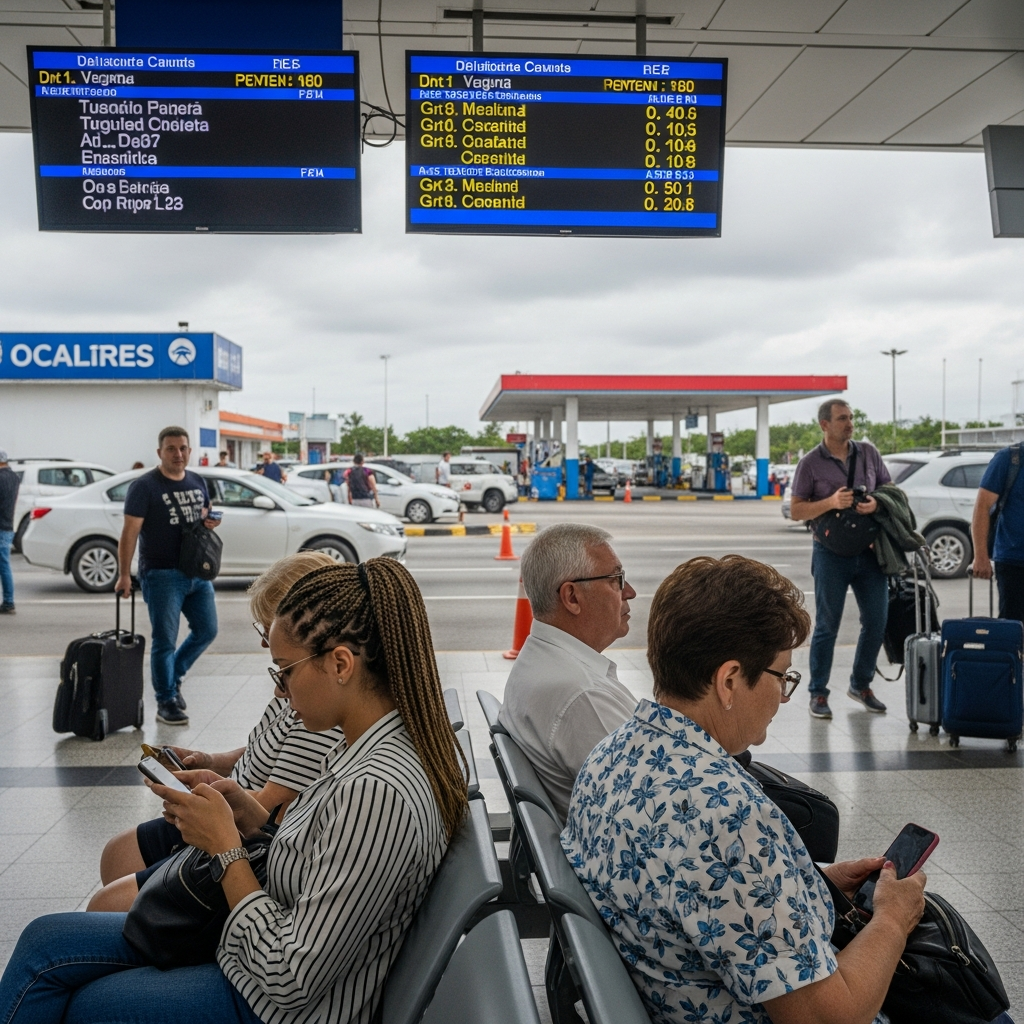
Cuba faces an escalating energy emergency, as a severe jet fuel crisis, fueled by an intensified US oil blockade, forces Russia to initiate a mass evacuation of its citizens from the island nation. This critical situation not only strands thousands of tourists but also threatens to cripple Cuba’s vital tourism industry and spark a humanitarian crisis, prompting urgent international concern and a complex geopolitical response.
The Deepening Fuel Crisis in Cuba
The Caribbean island of Cuba is grappling with its most severe fuel shortage in years, bringing essential services to a halt and creating widespread disruption. Cuban aviation authorities have issued urgent warnings that the country’s jet fuel reserves are critically low, directly impacting international travel and domestic operations. This scarcity has led to widespread power outages, significant cuts in public transportation, and even the closure or reduction of services in some hotels and educational institutions. Public sector employees are now on a four-day work week as the nation struggles to conserve energy.
Roots of the Crisis: The US Oil Blockade
The current crisis stems directly from a renewed and aggressive US oil blockade, which has tightened its grip on Cuba’s energy supply. The Trump administration, which recently returned to power, enacted measures that effectively choked off the island’s access to vital crude oil. A key turning point came last month when a new executive order threatened additional tariffs on any country supplying oil to Cuba. This intensified pressure led to Mexico halting its oil exports to Cuba, with the last known delivery arriving in early January.
Venezuela’s Role and Maduro’s Capture
Compounding Cuba’s energy woes, the crucial flow of crude oil from Venezuela – historically Cuba’s most reliable energy partner – has completely dried up. This cessation follows a controversial US operation in January, which resulted in the capture of Venezuelan President Nicolás Maduro. This action not only destabilized Venezuela but also severed a critical lifeline for Cuba, which produces only about one-third of its own fuel requirements. The long-standing US economic embargo against Cuba, in place since 1962, has made the island particularly vulnerable to such external pressures, with the current administration’s actions described by some as “collective punishment.”
Russia’s Urgent Evacuation and Aid Efforts
In response to the dire situation, Moscow has swiftly moved to evacuate its citizens from Cuba. Russia’s aviation authorities, Rosaviatsia, announced that two major Russian airlines, Rossiya Airlines and Nordwind Airlines, would operate outbound-only flights to bring home approximately 4,000 to 5,000 Russian tourists. These flights, operating from major Cuban hubs like Havana, Varadero, Holguin, and Cayo Coco, are a direct measure to repatriate stranded individuals before a complete suspension of services. Many of these tourists are state employees, as Cuba remains one of the few permitted destinations under strict Russian security service travel rules.
Airline Suspensions and Travel Disruptions
The fuel crisis has had a cascading effect on international air travel to Cuba. Russia’s Ministry of Economic Development has formally advised its citizens against travel to the island amid the escalating emergency. Beyond Russian carriers, Canada’s flag carrier, Air Canada, along with Air Transat and WestJet, has also temporarily halted all flights to Cuba due to the inability to guarantee fuel supplies at Cuban airports. Other international airlines are reportedly rerouting planes to refuel at neighboring Caribbean airports or are carrying enough fuel for return journeys, highlighting the severity of the supply chain disruption. Online chat groups reveal the struggles of Russian tourists still on the island, describing fuel rationing, public transport cuts, and even relocations to lower-grade hotels with more stable electricity. Russia’s tourism board has confirmed the suspension of all future tourist packages to Cuba.
Humanitarian Concerns and Local Impact
The humanitarian implications of Cuba’s fuel crisis are profound. The severe energy scarcity has triggered widespread rolling blackouts and significantly impaired essential services. Basic operations like bus and train services are heavily curtailed, and some hotels have closed or reduced capacity. Educational institutions are operating on limited schedules, impacting students nationwide. United Nations Secretary-General Antonio Guterres has expressed grave concerns, warning of a potential “humanitarian collapse” in Cuba if its energy needs are not met. The Kremlin has openly accused the US of attempting to “suffocate” Cuba, deepening the suffering of its citizens.
Geopolitical Tensions and Future Outlook
The unfolding crisis in Cuba has become a focal point of international geopolitical tensions. Moscow, a long-standing ally of Havana since the Soviet era, has vehemently condemned the US actions. Russia’s Foreign Minister, Sergei Lavrov, expressed Moscow’s solidarity with Cuba, stating a readiness to provide “all necessary support” with “like-minded partners.” Kremlin spokesman Dmitry Peskov confirmed ongoing discussions regarding “possible solutions” and aid. In a concrete step, Russia plans to dispatch humanitarian aid shipments, including vital oil and petroleum products, to help alleviate Cuba’s energy crunch.
However, the specific form and extent of Russia’s support remain complex. Moscow is currently engaged in sensitive negotiations with the Trump administration, and its primary political and military focus remains fixed on the ongoing war in Ukraine. This delicate geopolitical balancing act leaves Russia with limited appetite for actions that could further provoke Washington, potentially constraining the scope and nature of the aid it can realistically offer despite their close ties. The situation underscores Cuba’s fragility and its deep reliance on international support and energy supplies amidst persistent US sanctions and the challenges of economic instability.
Frequently Asked Questions
What triggered Cuba’s severe fuel crisis?
Cuba’s severe fuel crisis was primarily triggered by an intensified US oil blockade under the Trump administration. This included a new executive order threatening tariffs on countries supplying oil to Cuba, leading Mexico to halt its exports. Concurrently, crude oil flows from Venezuela, Cuba’s most trusted energy supplier, ceased following a US operation that resulted in the capture of President Nicolás Maduro in January 2026. These actions cut off vital energy supplies to the island, which produces only about one-third of its own fuel needs.
Which airlines have suspended flights to Cuba due to fuel shortages?
Several international airlines have suspended or adjusted their flights to Cuba because of the critical jet fuel shortage. Russian carriers Rossiya Airlines and Nordwind Airlines are operating outbound-only evacuation flights before suspending regular services. Canada’s Air Canada, Air Transat, and WestJet have also temporarily halted all flights to the island. Other airlines are reportedly rerouting planes to refuel elsewhere or carrying extra fuel for return journeys, indicating widespread disruption across the international aviation sector serving Cuba.
What are the immediate impacts on travelers and Cuba’s tourism industry?
The immediate impacts on travelers and Cuba’s tourism industry are severe. Approximately 4,000-5,000 Russian tourists are being urgently evacuated, with all future Russian tourist packages suspended. Travelers remaining on the island face fuel rationing, cuts to public transport, and some have been moved to lower-grade hotels due to electricity instability. Major international airlines have suspended flights, significantly reducing tourist arrivals. As tourism is a crucial industry for Cuba, these disruptions threaten its economy and exacerbate the humanitarian challenges stemming from the wider fuel crisis.
Conclusion
The unfolding crisis in Cuba represents a critical juncture for the island nation, highlighting its acute vulnerability to external pressures and its deep reliance on geopolitical allies. The confluence of an aggressive US oil blockade and the disruption of Venezuelan oil supplies has plunged Cuba into an unprecedented energy emergency. While Russia moves to evacuate its citizens and pledges humanitarian aid, the broader geopolitical landscape, including Moscow’s engagements in Ukraine, complicates the full extent of its potential support. The coming weeks will be crucial in determining Cuba’s ability to navigate this severe challenge, as international observers watch for potential humanitarian ramifications and the long-term implications for regional stability.