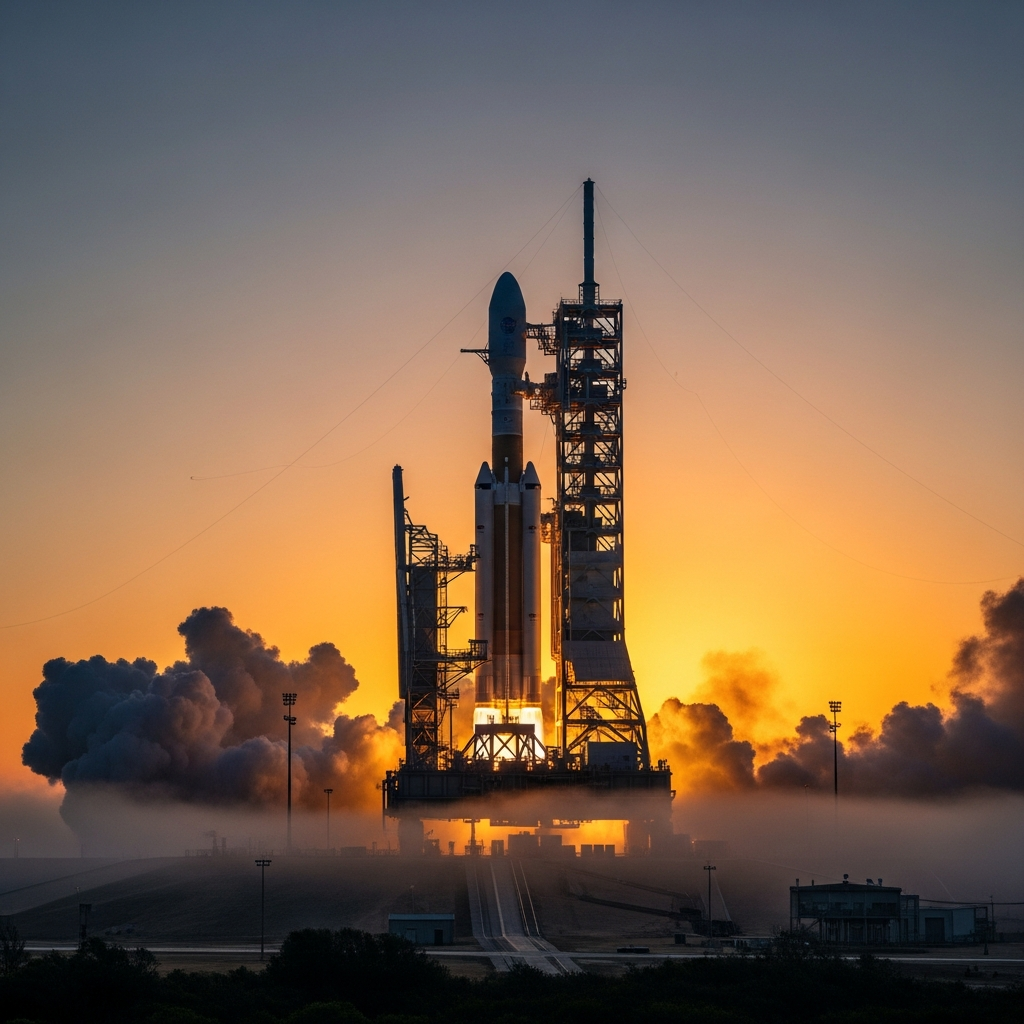
As humanity prepares for a monumental return to the Moon, the Artemis II mission stands on the cusp of making history. This crewed lunar flyby, the first in over 50 years, is a complex endeavor. Beyond the rockets and spacecraft, a silent, critical protocol is underway: the Artemis II quarantine. This isn’t merely a precaution; it’s an essential strategy safeguarding both the astronauts and the pristine lunar environment from unseen threats. Understanding this meticulous preparation offers a deeper appreciation for the journey ahead.
The Health Stabilization Program: A Critical Pre-Flight Protocol
The four pioneering astronauts of Artemis II—NASA’s Reid Wiseman, Victor Glover, and Christina Koch, alongside the Canadian Space Agency’s Jeremy Hansen—are currently undergoing NASA’s rigorous Health Stabilization Program. This mandatory 14-day isolation period precedes launch, ensuring the crew remains in peak physical condition. It’s a proactive measure designed to shield them from common illnesses.
During this critical window, medical experts closely monitor the astronauts. They live in isolation, residing indoors and strictly avoiding physical contact with anyone outside their carefully managed environment. This program, established since Apollo 14 in 1971, dramatically reduced instances of illnesses like upper respiratory infections and viral gastroenteritis among crews. The goal is simple: prevent any harmful microbes from compromising the mission.
Protecting Astronauts, Mission Integrity, and Scientific Goals
A simple stomachache or a common cold might seem trivial on Earth. However, in the unforgiving vacuum of space, these minor ailments pose severe threats. Even a slight illness could lead to a significant mission delay, costing millions and pushing back ambitious exploration timelines. More critically, an astronaut falling ill mid-flight in the cramped confines of the Orion spacecraft—roughly the size of two minivans—presents an unsolvable problem. There are no advanced medical facilities onboard, and communication blackouts occur during lunar orbit.
This concern is not hypothetical. NASA recently had to abort an International Space Station (ISS) mission due to an onboard medical emergency requiring an ultrasound. Such incidents underscore the absolute necessity for astronauts to be flawlessly healthy at launch. The Health Stabilization Program serves as a crucial safeguard, minimizing the risk of performance-reducing illnesses that cannot be effectively treated once in space.
From Houston to Kennedy: The Quarantine Journey
The Artemis II quarantine begins in Houston. The crew enters isolation, often from late January, with flexibility to exit and re-enter if operational considerations, such as a wet dress rehearsal, require it. During this initial phase, they maintain contact with carefully vetted friends, family, and colleagues who also adhere to strict quarantine guidelines. This means avoiding public places, consistently wearing masks, and maintaining physical distance.
Approximately six days before their anticipated launch, the crew flies to NASA’s Kennedy Space Center (KSC) in Florida. Here, they continue their isolation within the astronaut crew quarters located in the Neil A. Armstrong Operations and Checkout Building. These quarters, described as “spartan but functional” and dating back to the Apollo era, offer essential amenities like a kitchen, lounge, individual bedrooms, and specialized medical exam rooms. It is also where they don their iconic pressure suits before making the short journey to Launch Pad 39B.
A Shift in Planetary Protection: Safeguarding the Moon
The rationale behind astronaut quarantine has evolved significantly. Historically, during the early Apollo missions, the primary concern was protecting Earth from potential “strange lunar microbes.” Upon their return, Apollo 11’s crew, including Neil Armstrong, underwent a stringent 21-day post-lunar quarantine in a dedicated facility. This costly protocol, however, was discontinued after Apollo 14. Scientists eventually gained enough evidence to confidently rule out biohazards originating from the Moon, with some historians even labeling the post-mission quarantine as “planetary protection security theater.”
Today, the focus has dramatically shifted. For Artemis II and subsequent missions, the concern is planetary protection in the opposite direction: safeguarding the Moon from terrestrial microbes. The Artemis program aims to explore the Moon’s south pole craters. These regions are perpetually shadowed and potentially contain ancient water ice, acting as natural freezers where Earth-originating microorganisms could survive for decades. Even if these microbes cannot propagate, their presence poses a profound risk. Microbial contamination from Earth could easily be misinterpreted as evidence of extraterrestrial life. Such a discovery could distort scientific findings and severely hinder humanity’s quest for unique insights into the cosmos and the Moon’s early history.
Artemis II: More Than Just a Trip Around the Moon
The Artemis II mission is a vital stepping stone in NASA’s ambitious Artemis campaign. Slated to last approximately 10 days, its primary objective is to rigorously test the Orion spacecraft’s systems and hardware with a human crew onboard. This includes crucial life-support systems and other vital equipment that will be indispensable for future human lunar landings and the long-term goal of establishing a sustained human presence on the Moon.
The insights gained from this mission will not only expand human exploration of the Moon for scientific discovery but also contribute foundational capabilities for the first crewed missions to Mars. This journey around the Moon prepares humanity for even grander voyages, pushing the boundaries of what is possible in deep space exploration.
Navigating Delays: The Wet Dress Rehearsal and Its Impact
Despite the crew’s meticulous preparation, the Artemis II mission has faced delays. Initially targeted for early February 2026, the launch date has been postponed to at least March 2026. This postponement is a direct result of critical issues encountered during the rocket’s preparation, specifically liquid hydrogen fuel leaks detected during a crucial “wet dress rehearsal.”
This rehearsal is a full-scale practice run, mimicking launch day conditions down to the minute. It involves fully fueling the Space Launch System (SLS) rocket with over 700,000 gallons of super-cold liquid hydrogen and liquid oxygen. During this intensive simulation, engineers identified fuel leaking from various sections of the rocket. This issue necessitated an early termination of the test. NASA officials require substantial time to thoroughly review results, diagnose the problems, and conduct another comprehensive test. Similar hydrogen leak issues also plagued the uncrewed Artemis I mission in 2022, highlighting the complex engineering challenges involved. The resolution of these technical hurdles is paramount before a new, firm launch date can be set.
Long-Term Health Insights for Deep Space Exploration
Beyond immediate mission success, Artemis II carries forward crucial research into the long-term impacts of spaceflight on human health. Astronauts will contribute biological samples, such as saliva and blood, to study the effects of space radiation and microgravity on the human body. These insights are critical for planning future, longer-duration missions, including journeys to Mars.
Furthermore, astronaut training incorporates comprehensive medical preparedness. Crews receive extensive training in CPR, first aid, and treatment for decompression sickness—a risk during spacewalks. NASA even prepares crews for the unlikely, but possible, eventuality of an onboard death. This holistic approach ensures that every conceivable scenario is addressed, cementing the integrity and safety of future deep space endeavors.
Frequently Asked Questions
Why do the Artemis II astronauts need to quarantine before their lunar mission?
The Artemis II quarantine is essential to prevent astronauts from contracting any illnesses that could jeopardize or delay the mission. Even a common cold could severely impact crew performance in the confined Orion spacecraft or force a costly launch postponement. This Health Stabilization Program protects both the astronauts’ health and the mission’s integrity, ensuring they are in optimal physical condition for their challenging journey around the Moon.
What does the Artemis II crew’s Health Stabilization Program entail?
The program involves a mandatory 14-day isolation period for the four astronauts. They reside indoors, avoid public places, wear masks, and maintain physical distance from others. This process typically begins in Houston, allowing limited contact with quarantined friends and family. Approximately six days before launch, they relocate to the astronaut crew quarters at Kennedy Space Center, continuing isolation while conducting final mission simulations and medical checkouts.
How has the rationale for astronaut quarantine evolved since the Apollo era?
Historically, Apollo-era quarantine protocols focused on protecting Earth from potential “moon germs” after astronauts returned from the Moon. This post-mission isolation was discontinued after Apollo 14 when scientific evidence dispelled those fears. For Artemis II, the focus has shifted to pre-mission planetary protection. The goal is now to safeguard the Moon’s pristine environments, particularly its south pole craters, from terrestrial microbes brought from Earth, preventing contamination that could compromise scientific discoveries about lunar history or mistakenly suggest extraterrestrial life.
Preparing for Humanity’s Next Giant Leap
The Artemis II quarantine is far more than a simple precaution; it’s a testament to the meticulous planning and scientific rigor demanded by deep space exploration. From ensuring astronaut health to safeguarding celestial bodies, every detail plays a crucial role. While recent delays remind us of the immense technical challenges, the dedication to these protocols underscores humanity’s commitment to returning to the Moon and venturing onward to Mars. As the world watches, these four astronauts, carefully shielded from terrestrial microbes, are preparing not just for a journey around the Moon, but for the next chapter in human spaceflight.