The smartphone world is buzzing with unprecedented leaks hinting at Apple’s ambitious plans for 2026. While competitors brace for incremental updates, Cupertino is reportedly poised to unleash a wave of groundbreaking innovation, headlined by the iPhone 18 Pro series and its long-anticipated iPhone Fold. These upcoming flagships, detailed in a torrent of analyst reports and insider information, could redefine mobile technology with advancements in processing power, camera systems, and form factors. Get ready for a deep dive into the features set to transform Apple’s ecosystem and potentially reshape the premium smartphone market.
Industry analysts, notably Jeff Pu from GF Securities, project a significant market shift. Despite a predicted contraction in global smartphone shipments for 2026, Apple is expected to defy this trend, increasing its market share. This anticipated success hinges heavily on the revolutionary advancements packed into the next-generation iPhones, which are slated for a fall 2026 unveiling.
A Bold New Release Strategy for Apple
Apple appears to be adopting a refreshed launch cadence for its 2026 lineup, creating distinct release windows for its high-end and more accessible models. The premium devices—the iPhone 18 Pro, iPhone 18 Pro Max, and the debut iPhone Fold—are firmly on track for a September 2026 launch. This strategic timing ensures these cutting-edge products can capture peak holiday season interest.
However, the standard iPhone 18 model, along with the iPhone 18e and potentially the iPhone Air 2, will reportedly see a later release. Consumers eagerly awaiting these more budget-conscious options may need to wait until spring 2027. This split-launch approach allows Apple to first highlight its technological prowess and then cater to a broader market segment. Prior to this, spring 2026 is expected to bring the iPhone 17e, continuing a yearly refresh cycle for the budget-friendly “e” series. This model, an evolution of the iPhone 16e, is rumored to feature a single 48MP rear camera, an A19 processor, and a C1X modem, offering a solid upgrade at an accessible price point.
The A20 Pro Chip: A Quantum Leap in Performance
At the heart of the iPhone 18 Pro models and the iPhone Fold lies the revolutionary A20 Pro chip. This isn’t just an incremental upgrade; it represents a significant leap forward in mobile processing. Manufactured using TSMC’s bleeding-edge 2nm process, dubbed N2, the A20 Pro is projected to deliver up to 15 percent faster operation and a remarkable 30 percent greater efficiency compared to its A19 predecessor.
Beyond the smaller process node, the A20 Pro will integrate TSMC’s innovative Wafer-Level Multi-Chip Module (WMCM) technology. This advanced packaging integrates RAM directly onto the same wafer as the CPU, GPU, and Neural Engine. This eliminates the need for a separate silicon interposer, leading to several critical benefits: enhanced performance, especially for demanding Apple Intelligence features, extended battery life, and a reduction in the chip’s physical size. This saved internal space is invaluable for incorporating other advanced components.
Further bolstering its capabilities, the N2 process introduces new super-high-performance metal-insulator-metal (SHPMIM) capacitors. These components are designed to more than double the capacitance density and halve both sheet resistance and via resistance. The cumulative effect ensures superior power stability, boosts overall performance, and significantly improves energy efficiency – crucial for powering the next generation of on-device AI experiences. All three premium models are expected to pair this formidable chip with 12GB of LPDDR5 RAM.
iPhone 18 Pro & Pro Max: Refined Powerhouses
The iPhone 18 Pro and iPhone 18 Pro Max are set to retain familiar screen sizes, with the Pro at 6.3 inches and the Pro Max at 6.9 inches, mirroring their iPhone 17 counterparts. Their robust aluminum casings also echo the current design language. However, beneath the surface and around the edges, significant enhancements are in store.
A major focus for the 2026 Pro models is a revamped camera system. Both devices are rumored to feature a triple 48-megapixel rear camera array. This includes a primary 48MP wide camera with a variable aperture (7P VA lens), a Periscope 48MP lens for enhanced zoom, and another 48MP (6P lens) for ultra-wide shots. The return of variable aperture, a feature Samsung previously experimented with, is a substantial upgrade, allowing physical control over light intake for superior image quality across diverse lighting conditions. The front-facing camera across these models will be an 18MP snapper (6P lens).
Perhaps the most anticipated design change involves the Dynamic Island. Leaks suggest Apple will significantly reduce its size, potentially shrinking it to a simple “punch hole” by relocating some Face ID sensors under the display. Some reports even hint at the front camera shifting to the left corner, possibly eliminating the Dynamic Island entirely. For enhanced connectivity, both Pro models will utilize Apple’s newest in-house C2 modem, and there are whispers of integrating satellite-based 5G network support – a potential game-changer for remote connectivity not yet seen in rival devices. New colors like Burgundy, Brown, and Purple are also reportedly being tested for the Pro models, alongside a shift to pressure-based sensing for the camera control button.
The Revolutionary iPhone Fold: Apple’s First Flexible Frontier
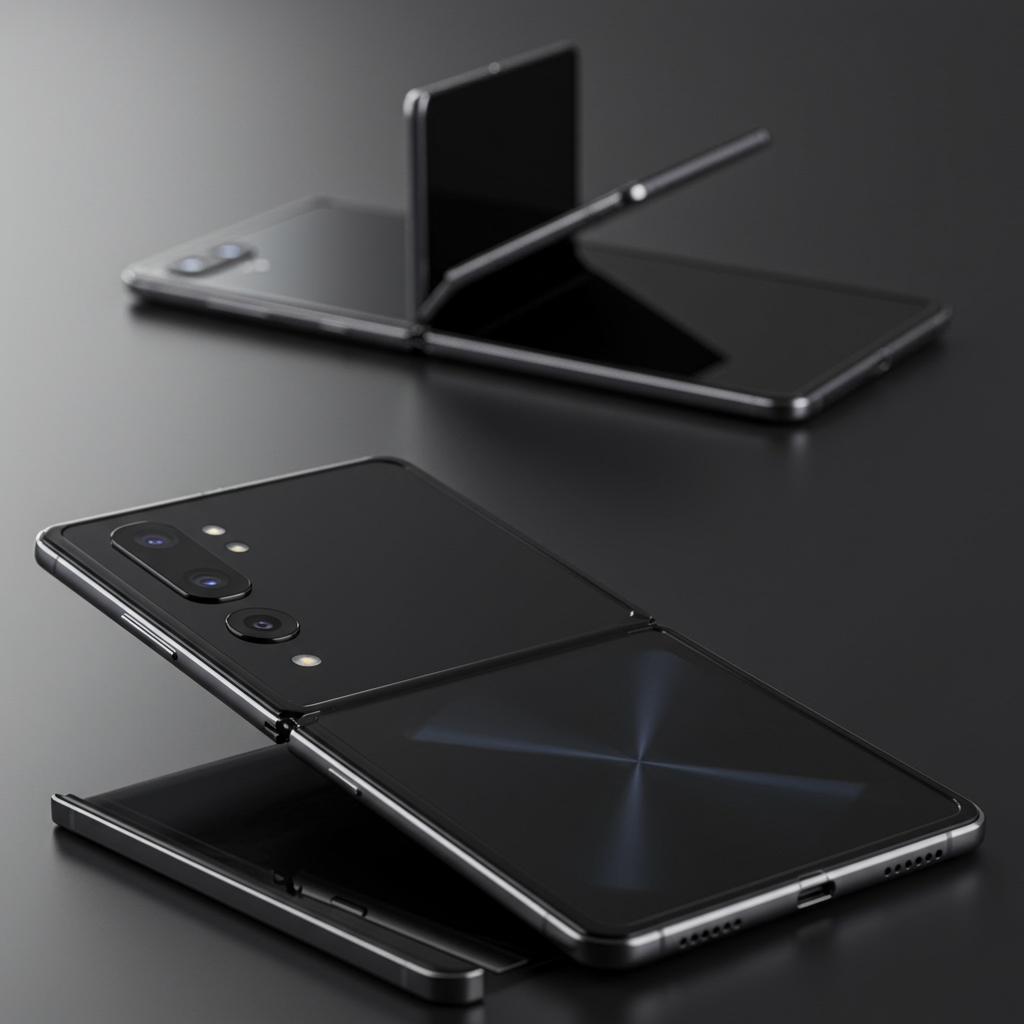
The spotlight for 2026 shines brightest on the iPhone Fold, Apple’s inaugural venture into the foldable smartphone market. This “book” style device is designed to offer a truly expansive experience, combining a traditional smartphone form factor with a tablet-like internal display.
When folded, the iPhone Fold will feature a practical 5.3-inch external display. Unfold it, and users will be greeted by a spacious 7.8-inch internal screen. This larger internal display, just shy of the original iPad mini, is expected to boast a widescreen aspect ratio, offering a unique user experience compared to the squarer designs of competing foldables. Crucially, Apple has reportedly overcome common folding challenges, achieving a “crease-free” screen and developing a “very strong” hinge. Rumors also point to an exceptionally thin design, measuring just 4.5mm when opened and between 9mm and 9.5mm when closed, even thinner than an iPhone Air.
While sharing the powerful A20 Pro chip, 12GB RAM, and Apple C2 modem with the Pro models, the iPhone Fold will forge its own path in other key areas. Notably, it’s expected to forgo Face ID entirely in favor of Touch ID, likely integrated into a side button, similar to the iPad Air. This decision may stem from the challenges of implementing under-display Face ID in a foldable design or a focus on maintaining its ultra-thin profile. The device will feature two 18MP front-facing cameras – one for the outer display and another for the internal foldable screen – and a robust rear camera system consisting of a 48MP 7P lens and a 48MP 6P lens. Its premium construction will utilize a sophisticated blend of titanium and aluminum, promising durability and a high-end feel. Initial price predictions hover above $2,000, potentially reaching $2,400, reflecting its innovative design and advanced technology.
Apple’s AI Roadmap and Market Impact
The hardware upgrades across the 2026 iPhone lineup are not merely for raw power; they are strategically aligned with Apple’s ambitious Artificial Intelligence roadmap. The adoption of N2 silicon, WMCM packaging, and 12GB LPDDR5 memory is specifically engineered to support advanced on-device AI workloads. This significant investment in AI capabilities is aimed at enhancing features like a more capable Siri, which Apple reportedly intends to roll out in 2026, offering more intelligent and responsive user interactions.
This aggressive push for innovation places considerable pressure on competitors. While Samsung’s Galaxy S26 series is anticipated to offer minor upgrades, Apple’s substantial technological advancements could leave it significantly outpaced. The market is keenly watching to see if this “wake-up call” for rivals will lead to more substantial advancements in future generations, ensuring a vibrant competitive landscape in the premium smartphone segment. Apple’s 2026 strategy clearly indicates a determination to redefine user expectations and strengthen its commanding position in the industry.
Frequently Asked Questions
What are the key new features of the A20 Pro chip in the iPhone 18 Pro and iPhone Fold?
The A20 Pro chip is a major upgrade, manufactured using TSMC’s advanced 2nm process (N2), making it up to 15% faster and 30% more power-efficient than its predecessor. It incorporates Wafer-Level Multi-Chip Module (WMCM) technology, integrating RAM directly onto the chip for enhanced AI performance and battery life. Additionally, new SHPMIM capacitors boost power stability and efficiency. These innovations are crucial for powering sophisticated on-device AI experiences in the iPhone 18 Pro and iPhone Fold.
When are the iPhone 18 Pro, iPhone Fold, and base iPhone 18 models expected to be released?
Apple is implementing a split-launch strategy. The premium iPhone 18 Pro, iPhone 18 Pro Max, and the highly anticipated iPhone Fold are all expected to debut in September 2026. However, the standard iPhone 18 model, along with the iPhone 18e, is rumored to be delayed until spring 2027. This allows Apple to initially focus on its most innovative offerings before expanding to more accessible models.
How will the iPhone Fold differentiate itself from the Pro models, particularly in design and authentication?
The iPhone Fold will be Apple’s first foldable, featuring a book-style design with a 5.3-inch external display and a larger 7.8-inch internal folding screen that is expected to be crease-free. Unlike the Pro models, it will reportedly forgo Face ID in favor of Touch ID, likely integrated into the side button. Its construction will combine titanium and aluminum, and it is expected to be remarkably thin when unfolded. It will also feature dual front-facing cameras to support both folded and unfolded states.
The year 2026 is shaping up to be a pivotal one for Apple, potentially marking a significant shift in its product strategy and technological prowess. With the rumored iPhone 18 Pro and the revolutionary iPhone Fold, Apple is not just introducing new phones; it’s laying the groundwork for the next era of mobile computing. Keep an eye out for further details as these exciting devices draw closer to their anticipated launch.