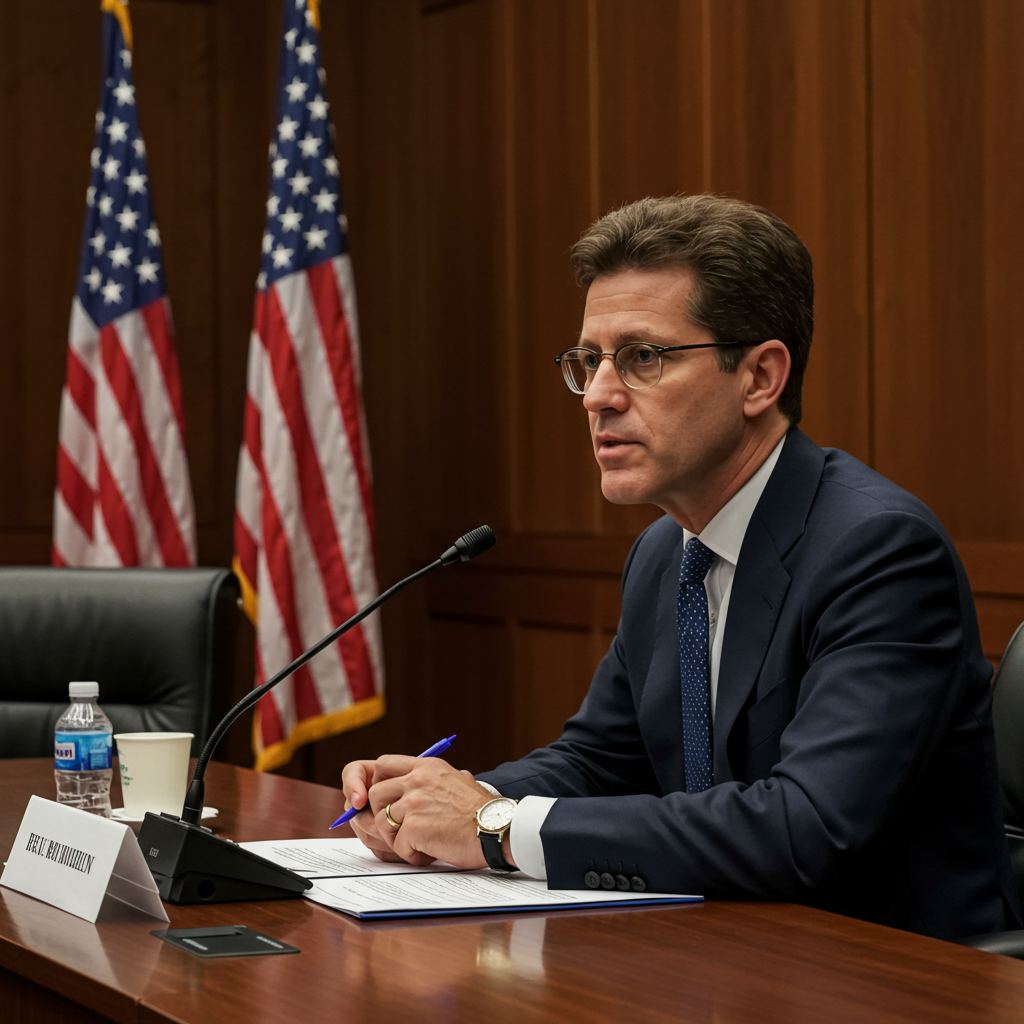
A significant shift in American public health policy is underway, as Health and Human Services (HHS) Secretary Robert F. Kennedy Jr. has unilaterally altered the routine childhood vaccine schedule. These unprecedented changes, downgrading recommendations for several key immunizations, have ignited a firestorm of controversy among leading medical and public health experts. Many warn that these actions could lead to a resurgence of preventable diseases, erode public trust, and jeopardize the health gains of decades. Parents across the United States are now grappling with new guidance, prompting crucial conversations with healthcare providers about their children’s immunization needs.
The Unprecedented Shift: RFK Jr.’s New Vaccine Guidelines
On a recent Monday, HHS Secretary Robert F. Kennedy Jr. announced a revised childhood vaccination schedule. This move removes the universal recommendation for several vaccines previously considered standard for American children. This decision was made without the typical vote from an independent panel of experts, the Advisory Committee on Immunization Practices (ACIP), which historically evaluates such changes before the Centers for Disease Control and Prevention (CDC) adopts them. This departure from established protocol has fueled widespread alarm among the medical community.
Downgraded Recommendations: A Closer Look
The new schedule pares down the number of routinely recommended childhood immunizations from 17 to 11 diseases. Specifically, shots for hepatitis A, influenza (the flu), meningococcal disease, and rotavirus will no longer be universally advised for all children. Instead, these vaccines now fall under a “shared clinical decision-making” category or are recommended only for “high-risk” groups. While these vaccines remain available and insurance-covered, the shift in official guidance is expected to introduce confusion for parents and potentially reduce uptake.
Expert Concerns: The Public Health Perspective
Public health specialists are expressing grave concerns over these revisions, predicting severe consequences. Dr. Nava Yeganeh, medical director for vaccine preventable disease control at the Los Angeles County Department of Public Health, vividly recalls a pre-vaccine era where hospital pediatric wards were filled with children suffering from rotavirus and RSV. She emphasizes that widespread vaccine use significantly reduced these burdens. The consensus among experts is clear: reducing vaccination rates will inevitably lead to an increase in disease cases. Doctor groups have formed a united front against these perceived efforts to limit vaccine access, warning explicitly that proposed changes could result in preventable deaths. For instance, the move to restrict the universal birth dose of the hepatitis B vaccine has been projected to cause at least 1,400 preventable infections, 300 additional cases of liver cancer, 480 deaths, and over $222 million in annual excess healthcare costs.
Behind the Controversy: RFK Jr.’s Stance and History
Robert F. Kennedy Jr.’s tenure as HHS Secretary, though relatively brief, has been marked by significant controversy and a systematic challenge to established public health norms. His personal beliefs, predating his current role, suggest that children receive too many shots. He has also promoted unsubstantiated claims linking vaccines to other health issues, including autism—a theory that has been thoroughly debunked by decades of scientific research. Critics, including six former Surgeons General, describe his actions as a “profound, immediate and unprecedented threat” to public health.
Questioning Established Science: Vaccine Skepticism
Secretary Kennedy has consistently expressed skepticism about vaccine safety and efficacy, often advocating for approaches that diverge from scientific consensus. He has championed the idea of placebo-controlled vaccine trials, an approach widely condemned by public health experts as unethical due to the risk of withholding life-saving protection. His administration has also pursued investigations into the debunked link between vaccines and autism, despite overwhelming evidence to the contrary. These actions, combined with statements that critics label as “myths and disinformation,” are seen as actively eroding public trust in vaccination programs.
The Autism Link: Debunked Theories Resurface
A particularly contentious aspect of Secretary Kennedy’s focus has been his persistent suggestion of a link between vaccines and autism. This theory, originating from a thoroughly retracted 1998 study, has been overwhelmingly disproven by extensive global research over decades. Despite this, Kennedy has pledged to launch a “massive testing and research effort” by September, aiming to identify the causes of what he terms an “autism epidemic.” This initiative, which he claims will involve “hundreds of scientists,” has been met with strong condemnation from leading autism advocacy groups like the Autism Society of America, who call it “harmful, misleading, and unrealistic.” These groups highlight that a significant portion of the rise in autism diagnoses is attributed to increased awareness and evolving diagnostic criteria, not environmental factors linked to vaccines. Alarmingly, Kennedy has reportedly hired David Geier, an individual described as a “conspiracy theorist” who previously faced fines for practicing medicine without a license, to lead this research.
A Broader “Assault on Vaccine Access”
Beyond the specific childhood vaccine schedule changes, Kennedy’s actions are viewed by many as part of a larger “assault on vaccine access.” This includes dismissing the previous ACIP committee and appointing new members described as vaccine skeptics, as well as altering eligibility rules for COVID-19 vaccines. His department has also scrutinized the safety of new RSV immunizations, planned sweeping new testing standards that could hinder vaccine development, and controversially directed the CDC to remove the phrase “vaccines do not cause autism” from its website. These systemic changes have led many healthcare providers to state they will continue following vaccination guidance from organizations like the American Academy of Pediatrics rather than the new ACIP recommendations.
Diving Deeper: The Four Downgraded Vaccines
Understanding the specific diseases involved in the schedule changes is crucial for parents and healthcare providers alike. These vaccines, until now routinely recommended, have significantly reduced the incidence and severity of their target illnesses.
Hepatitis A: Preventing a Contagious Liver Infection
Hepatitis A is a highly contagious viral liver infection spread through contaminated food, water, or close personal contact. While often mild, it can lead to sudden liver failure or chronic inflammation in a fraction of cases. Before the vaccine became widely available in 1995 and was recommended for all children in 2006, reported cases in 2019 reached nearly 19,000. Post-recommendation, cases dropped by over 95% by 2011. The CDC’s old recommendation was a two-dose series for all children aged 12-23 months. The change means only children at high risk will now be routinely recommended the series. Eighty percent of children born in 2019-2020 had received two doses by age 35 months, showcasing the previous high uptake.
Influenza (Flu): Seasonal Risks and Immunization
The flu is a respiratory illness that can cause severe complications, particularly in young children. The 2024-2025 flu season tragically saw 289 pediatric deaths, predominantly in unvaccinated children. This year’s season is projected to be similarly challenging. Previously, the CDC recommended an annual flu shot for everyone 6 months and older. Under the new schedule, the flu shot now falls under a “shared clinical decision-making” recommendation for children. Unfortunately, pediatric flu vaccination rates have been declining, with only 42.5% of kids 6 months to 17 years immunized as of December 27, compared to 43.5% last year and over 62% in the 2019-2020 season.
Meningococcal Disease: Protecting Against Brain Inflammation
Meningitis, an inflammation of the brain and spinal cord tissue, can lead to severe cognitive problems, seizures, paralysis, or death. While rare, meningococcal disease has been rising, with 503 confirmed or probable cases reported in 2024—the highest since 2013. This increase was driven by the Y group of bacteria, against which older children were routinely vaccinated. The disease spreads through saliva or mucus, often causing outbreaks in college dorms. The CDC previously advised all 11-12 year olds to get the MenACWY vaccine, with a booster at 16. Now, this vaccine also requires “shared clinical decision-making,” though it’s still recommended for high-risk groups. Over 90% of teenagers aged 13-17 had received at least one dose of the MenACWY series in 2024.
Rotavirus: Guarding Against Severe Gastrointestinal Illness
Rotavirus is a highly contagious gastrointestinal infection causing severe diarrhea, vomiting, fever, and dehydration. It spreads through fecal-oral contact, common in daycares and family settings. Before a vaccine became available, rotavirus caused 55,000 to 70,000 hospitalizations and 20 to 60 deaths in children younger than 5 annually. The current vaccine averts an estimated 45,000 hospitalizations each year. Previously, the CDC recommended all children begin the rotavirus vaccine series at 2 months. The new schedule also places the rotavirus vaccine under “shared clinical decision-making.” Despite its efficacy, with 76.6% of children born in 2019-2020 fully vaccinated for rotavirus by 8 months, declining recommendations could reverse these gains.
Navigating the New Landscape: What Parents Need to Know
For parents, these changes present a new layer of complexity in making informed health decisions for their children. The shift away from universal recommendations underscores the importance of personalized medical advice.
Understanding “Shared Clinical Decision-Making”
The term “shared clinical decision-making” means parents should engage in a direct, informed discussion with their child’s healthcare provider. This conversation should cover the specific risks and benefits of each vaccine, considering the child’s individual health profile, family history, and local disease prevalence. It moves the decision from a routine, universally recommended practice to one requiring active parental engagement with medical expertise.
Seeking Trusted Guidance
Given the confusion and distrust these changes may generate, consulting trusted healthcare professionals, such as pediatricians and family doctors, becomes paramount. These professionals can provide evidence-based information, clarify the nuances of the new schedule, and help parents make choices that best protect their children’s health. Many healthcare providers have indicated they will continue to follow established, evidence-based guidelines from medical organizations like the American Academy of Pediatrics.
Frequently Asked Questions
What specific childhood vaccines have been downgraded, and what does this change mean for parents?
HHS Secretary Robert F. Kennedy Jr. has downgraded routine childhood vaccine recommendations for hepatitis A, influenza (the flu), meningococcal disease, and rotavirus. This means these vaccines are no longer universally recommended for all children. Instead, they fall under “shared clinical decision-making,” requiring parents to consult a healthcare provider, or are advised only for “high-risk” groups. The core information emphasizes a shift from standard immunization protocol to individualized decisions, potentially leading to lower vaccination rates.
Given the new recommendations, should parents still consider vaccinating their children against hepatitis A, meningitis, rotavirus, and the flu?
Leading public health experts overwhelmingly advise parents to continue vaccinating their children against hepatitis A, meningococcal disease, rotavirus, and the flu. Despite the downgraded recommendations, these vaccines remain available and covered by insurance. Medical organizations warn that reducing vaccination rates for these diseases could lead to a resurgence of infections, which previously caused significant illness, hospitalizations, and deaths in children. Parents should have a detailed discussion with their pediatrician to understand the individual risks and benefits for their child.
Why are leading public health organizations and experts strongly opposing RFK Jr.’s changes to the vaccine schedule?
Public health organizations and experts are vocally opposing RFK Jr.’s changes because they fear a significant increase in preventable diseases, erosion of public trust in vaccines, and a reversal of decades of health progress. They point to the fact that Kennedy acted without the typical expert panel review, has a history of promoting debunked vaccine-autism theories, and has systematically undermined vaccine confidence. Experts warn of specific consequences like more pediatric hepatitis B infections and increased healthcare costs, viewing these changes as part of a broader “assault on vaccine access” that disregards scientific consensus and puts children’s health at risk.
Conclusion
The recent revisions to the childhood vaccine schedule by HHS Secretary Robert F. Kennedy Jr. mark a pivotal moment in American public health. While emphasizing individual and parental decision-making, these changes have provoked widespread alarm among medical professionals, who foresee a tangible risk of increased disease incidence. Parents are now tasked with navigating a more complex immunization landscape. It is more critical than ever for families to engage in informed dialogue with trusted healthcare providers. By seeking expert guidance and relying on scientific evidence, parents can make the best choices to safeguard their children’s health and contribute to the collective well-being of their communities.
Word Count Check: 1675 words