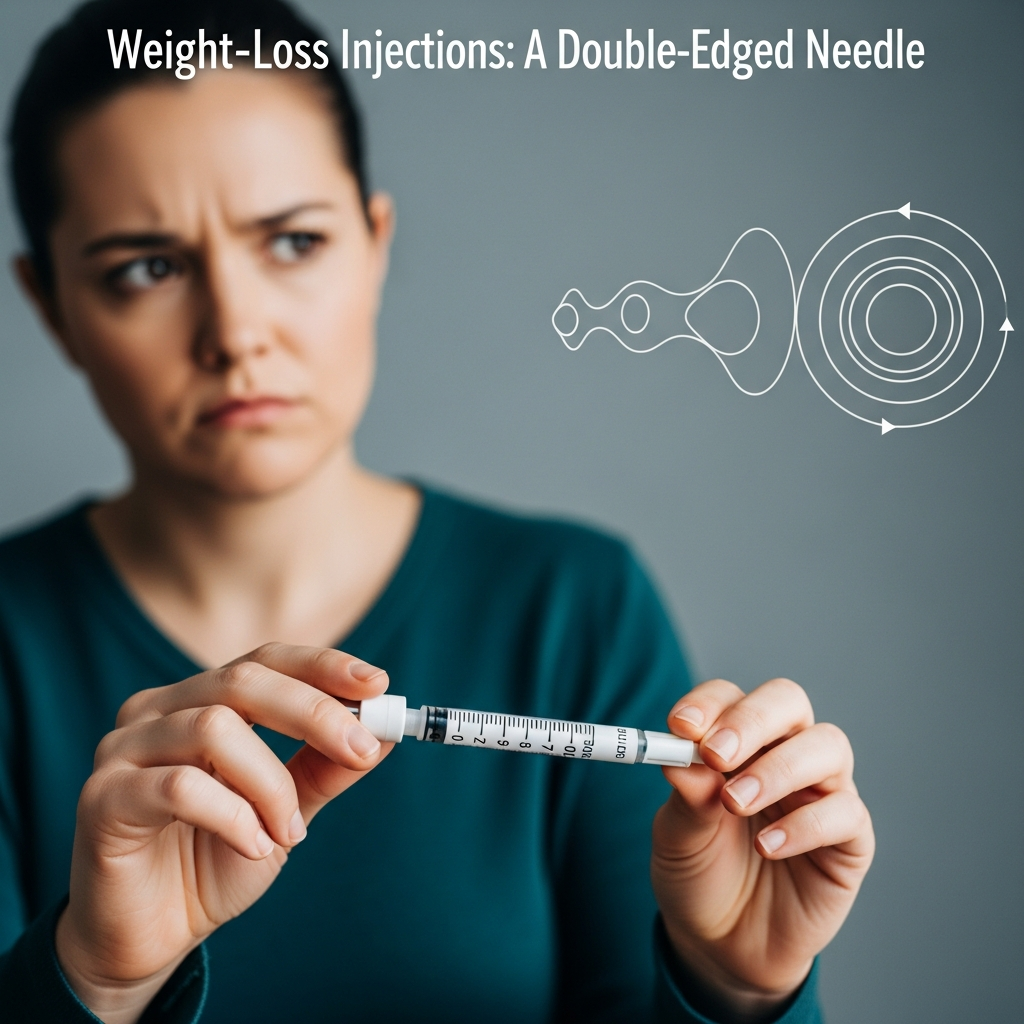
For many, weight-loss injections offer a powerful path to significant weight reduction, transforming health and confidence. However, emerging research reveals a critical challenge: discontinuing these “skinny jabs” often leads to rapid and substantial weight regain, frequently outpacing the rate of loss seen with conventional dieting. Understanding this phenomenon is crucial for anyone considering or currently using medications like Wegovy or Mounjaro, as it highlights the need for a comprehensive, long-term approach to obesity management. This article delves into the science behind the rebound, the latest study findings, and expert advice for sustainable success.
The Alarming Reality of Post-Treatment Weight Regain
New research underscores the stark difference in weight trajectories when people stop using advanced weight-loss injections compared to traditional methods. While these medications provide impressive initial results, the pounds can return swiftly once treatment ceases. This finding signals a vital consideration for patients and healthcare providers worldwide.
The BMJ Study: What the Research Says
A comprehensive analysis published in the British Medical Journal reveals a concerning trend. Individuals who stop using blockbuster weight-loss injections regain weight approximately four times faster than those who discontinue conventional diet and exercise programs. The research, which analyzed data from 37 studies involving over 9,000 patients, specifically looked at newer GLP-1 drugs like Mounjaro and Wegovy. Patients using these jabs typically shed a substantial amount, averaging about a fifth of their initial body weight. However, upon stopping, they experienced an average regain of 0.8 kilograms (about 1.76 pounds) each month. At this rate, individuals could return to their pre-treatment weight within an astonishing year and a half.
Dr. Susan Jebb from Oxford University, a lead investigator, emphasizes the importance of understanding this risk. While these findings come from controlled medical trials, they offer an early warning. More real-world, long-term studies are essential to fully grasp the enduring effects of these powerful GLP-1 drugs.
Comparison to Conventional Methods
In contrast, people who achieve weight loss through diet and exercise tend to regain weight at a much slower pace. Researchers suggest an average regain of around 0.1 kilograms (0.22 pounds) per month for those stopping conventional weight management. This significant difference highlights the unique biological shifts induced by weight-loss injections and the challenges faced when treatment concludes. The abrupt return of appetite is a common experience, often described as feeling “instantly starving,” a stark change from the suppressed hunger experienced during medication use.
Understanding the Science Behind the Rebound
The distinct mechanism of action for GLP-1 drugs provides insight into why weight regain is so pronounced after discontinuation. These medications interact deeply with the body’s hunger regulation systems, and their withdrawal creates a significant physiological void.
GLP-1’s Role: How the Drugs Work
Drugs like semaglutide (Wegovy, Ozempic) and tirzepatide (Mounjaro) mimic a natural hormone called glucagon-like peptide-1 (GLP-1). This hormone plays a crucial role in regulating hunger, slowing digestion, and signaling satiety to the brain. Mounjaro, a dual GLP-1/GIP receptor agonist, also influences metabolism and energy balance, leading to even greater weight loss. By artificially boosting GLP-1 levels far beyond what the body naturally produces, these injections effectively curb appetite and reduce food intake.
The “Instant Starving” Phenomenon
Dr. Adam Collins, a nutrition expert at the University of Surrey, explains the physiological challenge. Prolonged high levels of artificial GLP-1 might cause the body to produce less of its own natural GLP-1 and reduce its sensitivity to the hormone. When the “GLP-1 fix” is withdrawn, appetite control can plummet. Users describe this as “a switch that goes on and you’re instantly starving.” One woman recounted, “It was like something opened up in my mind and said: ‘Eat everything, go on, you deserve it because you haven’t eaten anything for so long.'” This intense hunger makes “going cold turkey” incredibly difficult, especially if individuals relied solely on the medication without implementing sustainable dietary or behavioral changes.
Navigating the Long-Term Landscape of Obesity Treatment
The rapid regain observed after stopping weight-loss injections reinforces the understanding of obesity as a chronic, relapsing condition, requiring ongoing management rather than a short-term fix.
Obesity as a Chronic Condition
Leading medical experts, including Professor Naveed Sattar from Glasgow University, emphasize that obesity is a chronic disease, similar to diabetes or hypertension. Treating it with time-limited interventions can lead to temporary improvements but often not sustained success. Pharmaceutical companies like Eli Lilly (Mounjaro) and Novo Nordisk (Wegovy) affirm this, stating that weight regain upon discontinuation reflects the “biology of the condition rather than a lack of effort.” They suggest continuous treatment may be necessary to maintain the health improvements achieved.
The Call for Lifelong Management
Given the high risk of relapse, many medical professionals advocate for weight-loss injections to be considered a lifelong treatment for appropriate patients. The NHS, which recommends these jabs for individuals with obesity-related health risks, also stresses the importance of accompanying lifestyle changes, including healthy eating and regular exercise, to help maintain weight loss. While some drugs have specified time limits, the discussion around ongoing use is central to effective, patient-centered care.
Beyond Weight: Cardiovascular Benefits and Their Reversal
The benefits of GLP-1 drugs extend beyond mere weight loss. They significantly reduce risk factors for cardiovascular diseases (CVD), such as high blood pressure, high cholesterol, and elevated blood sugar. However, new research, including findings from the SURMOUNT-4 trial, indicates that these cardiovascular health improvements tend to reverse if the medication is discontinued and weight is regained. Participants in this trial who stopped Mounjaro and regained weight also experienced a reversal of the improvements in waist size, blood pressure, cholesterol, and blood sugar levels. This further strengthens the argument for sustained treatment to maintain these broader health advantages.
Real-World Implications and Misuse Concerns
The surging popularity of weight-loss injections globally brings both promising health advancements and pressing concerns about their proper use and accessibility. The market for these skinny jabs is booming, but this rapid growth also introduces challenges regarding patient safety and long-term care.
Prevalence of Use and Public Interest
In the UK alone, an estimated 1.6 million adults have used these injections in the past year, primarily through private prescriptions. An additional 3.3 million express interest, meaning one in ten adults has either tried or wants to try them. Use is notably twice as common among women and more prevalent in those in their 40s and 50s. This widespread interest underscores the societal demand for effective obesity treatment.
The India Context: Misuse and Market Boom
India is experiencing a dramatic surge in the anti-obesity drug market, driven by affluent urban populations seeking rapid weight loss. The market has ballooned sixfold, from $16 million in 2021 to nearly $100 million today. Doctors express serious concerns about misuse, with unathorized individuals like gym trainers and beauty clinics prescribing these drugs. Risks include weight regain, significant muscle loss (especially problematic given high-carb, low-protein diets common in India), and serious side effects like gallstones and pancreatitis. The impending patent expiry for semaglutide in India is expected to flood the market with cheaper generics, further intensifying these concerns and potentially expanding the market to $1 billion. This highlights the crucial need for medical supervision and awareness regarding appropriate use.
Considering Higher Doses and Their Side Effects
Recent studies also explore the efficacy of higher doses of weight-loss injections. Research on Wegovy, for example, found that a higher weekly dose (7.2 mg) resulted in greater weight loss (19% average) compared to the standard dose (16% average) over a year. While beneficial for significant weight reduction and improved health markers like prediabetes, this increased efficacy comes with a higher risk of side effects. Gastrointestinal issues like nausea, vomiting, and diarrhea were more common, and a distinct side effect called dysesthesia (unpleasant skin sensations) affected over a fifth of participants on the higher dose. This indicates a careful balance between desired outcomes and potential discomfort for patients and their prescribing doctors.
Integrating Lifestyle Changes for Sustainable Success
While weight-loss injections are powerful tools, they are most effective when integrated into a broader strategy that includes fundamental lifestyle modifications. Relying solely on medication without behavioral changes creates a precarious situation when treatment stops.
Establishing healthy eating habits and incorporating regular physical activity, especially strength training to combat muscle loss, are vital for long-term weight management. These changes help to mitigate the physiological rebound experienced after stopping medication. Experts recommend a balanced diet and consistent exercise as cornerstones of any obesity treatment plan, whether using medication or not. Practical advice, such as reducing sugar intake and engaging in at least four days of exercise per week, can yield significant results for those seeking modest weight loss without pharmacological intervention.
Frequently Asked Questions
What happens to your body and appetite when you stop weight-loss injections like Wegovy or Mounjaro?
When you stop weight-loss injections such as Wegovy or Mounjaro, your body no longer receives the artificial boost of GLP-1 (and GIP, with Mounjaro). This can lead to a rapid return of appetite, often described as an “instant starving” sensation. Experts explain that prolonged artificial GLP-1 levels might reduce your body’s natural production and sensitivity to its own hunger-regulating hormones. Without this “fix,” appetite control diminishes, making overeating far more likely and contributing to significant weight regain.
What do experts recommend for managing weight after stopping GLP-1 medications?
Experts overwhelmingly recommend a holistic approach for managing weight after stopping GLP-1 drugs. This primarily involves integrating sustained lifestyle changes, including a balanced, healthy diet and consistent physical activity, particularly strength training. Many medical professionals view obesity as a chronic condition that often requires ongoing management, suggesting that treatment, including behavioral support, might need to be lifelong. Implementing these changes helps counter the physiological rebound and promotes more sustainable weight loss maintenance.
Should weight-loss injections be considered a long-term or lifelong treatment for obesity?
Given the high risk of rapid weight regain and the reversal of health benefits when weight-loss injections are discontinued, many medical experts and pharmaceutical companies suggest they should be considered a long-term or even lifelong treatment for appropriate individuals. This perspective aligns with treating obesity as a chronic disease, similar to diabetes or hypertension, where ongoing management is crucial. Continuous use can help maintain significant weight loss and the associated improvements in metabolic and cardiovascular health, though individual circumstances and side effects must always be weighed.
Conclusion
The evidence is clear: while weight-loss injections offer remarkable potential for obesity treatment, the risk of rapid weight regain upon discontinuation is a significant reality. This underscores the complex, chronic nature of obesity and the necessity of a multifaceted approach. For those considering or currently using these powerful medications, understanding their mechanisms, the potential for rebound, and the importance of integrating sustainable lifestyle changes is paramount. Effective weight management is not just about the numbers on a scale, but about long-term health, informed decisions, and ongoing support.