The Islamic Republic of Iran faces a rapidly escalating internal crisis, reportedly resorting to a desperate measure: deploying foreign-backed militias to quell a nationwide anti-regime uprising. As protests engulf cities across two-thirds of the country, independent sources confirm that over 800 fighters from Hezbollah, various Iraqi militias, and Iran’s elite Quds Force have secretly crossed into Iran. This unprecedented move signals a grave escalation, demonstrating the regime’s resolve to employ battle-hardened foreign proxies against its own citizens to retain power.
Iran’s Domestic Unrest Reaches Critical Mass
For weeks, Iran has grappled with widespread demonstrations fueled by a deteriorating economy, soaring inflation, currency devaluation, and deep-seated political grievances. The unrest, which began in late December, has now spread to more than 200 cities across 26 of Iran’s 31 provinces, showcasing its broad geographic reach and public discontent. Protesters are boldly challenging the theocratic leadership, with chants of “Death to Khamenei” echoing through the streets and videos depicting demonstrators tearing down the Iranian flag in defiance. This significant popular uprising underscores the profound dissatisfaction permeating Iranian society.
Human rights organizations and independent monitors report a grim toll, with at least 38 fatalities and over 2,200 arrests since the protests erupted. While initial confrontations were concentrated in the capital, Tehran, the movement has now expanded into western provinces, including Kermanshah, Lorestan, Ilam, and the Kurdish regions. In response, Iranian authorities have implemented severe measures, including mass deployment of security forces, internet blackouts, and localized curfews, all aimed at suppressing the burgeoning dissent.
The Regime’s Desperate Playbook: Outsourcing Repression
The reported influx of foreign fighters highlights a deepening crisis within Iran’s internal security apparatus. Expert Lisa Daftari, an Iran specialist, explains this tactic as “nothing new for the regime.” She describes it as a “logical extension of a playbook” consistently used since 1979: outsourcing repression to ideologically loyal militias and then integrating these forces into the state’s coercive infrastructure. Daftari draws parallels to the historical use of Iran’s own Basij and Revolutionary Guard, initially formed to crush domestic dissent. Now, she argues, the regime is signaling it views its population akin to regional battlefields, willing to blur the lines between internal policing and transnational militancy to maintain its grip.
Another expert, Behnam Ben Taleblu of the Foundation for Defense of Democracies, suggests the regime’s reliance on foreign proxies like Lebanese Hezbollah, Iraqi Shiite militias, and Afghan Fatemiyoun reflects growing concern about the loyalty and cohesion of Iran’s own security services. Allegations of non-Persian languages being heard among security forces during protests date back to 2009. Ben Taleblu posits that these foreign forces serve as a “failsafe,” tasked to “fire on Iranians when other Iranians won’t,” thereby ensuring the regime’s control even if domestic forces waver.
Secret Crossings and Covert Deployments
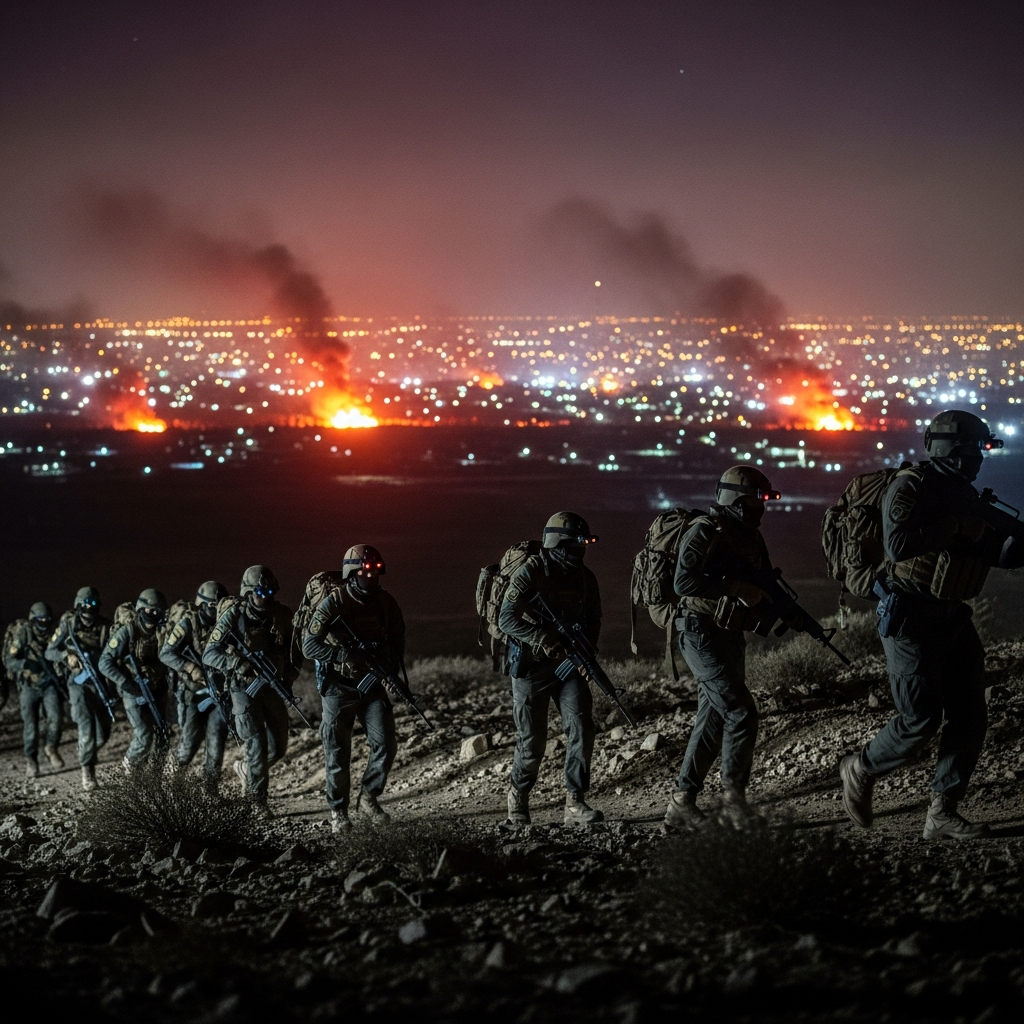
Earlier reports from Iran International corroborate the deployment of Iraqi Shiite militia reinforcements in early January. These accounts estimate approximately 800 fighters crossed the border under the guise of religious pilgrimages. Upon entry, they reportedly gathered at a base in Ahvaz before being strategically dispatched to various regions engulfed by protests. Despite these claims, Ghulam Isaczai, the U.N. resident and humanitarian coordinator for Iraq, stated he had no knowledge of such deployments when questioned by Fox News Digital, highlighting the covert nature of these operations.
This reliance on external forces underscores the internal pressure on the Iranian regime. Its capacity to project power externally has been significantly challenged. The ongoing conflict with Israel and the latter’s determined efforts to dismantle Iranian-backed proxies illustrate this vulnerability.
Regional Instability and Iran’s Weakened Hand
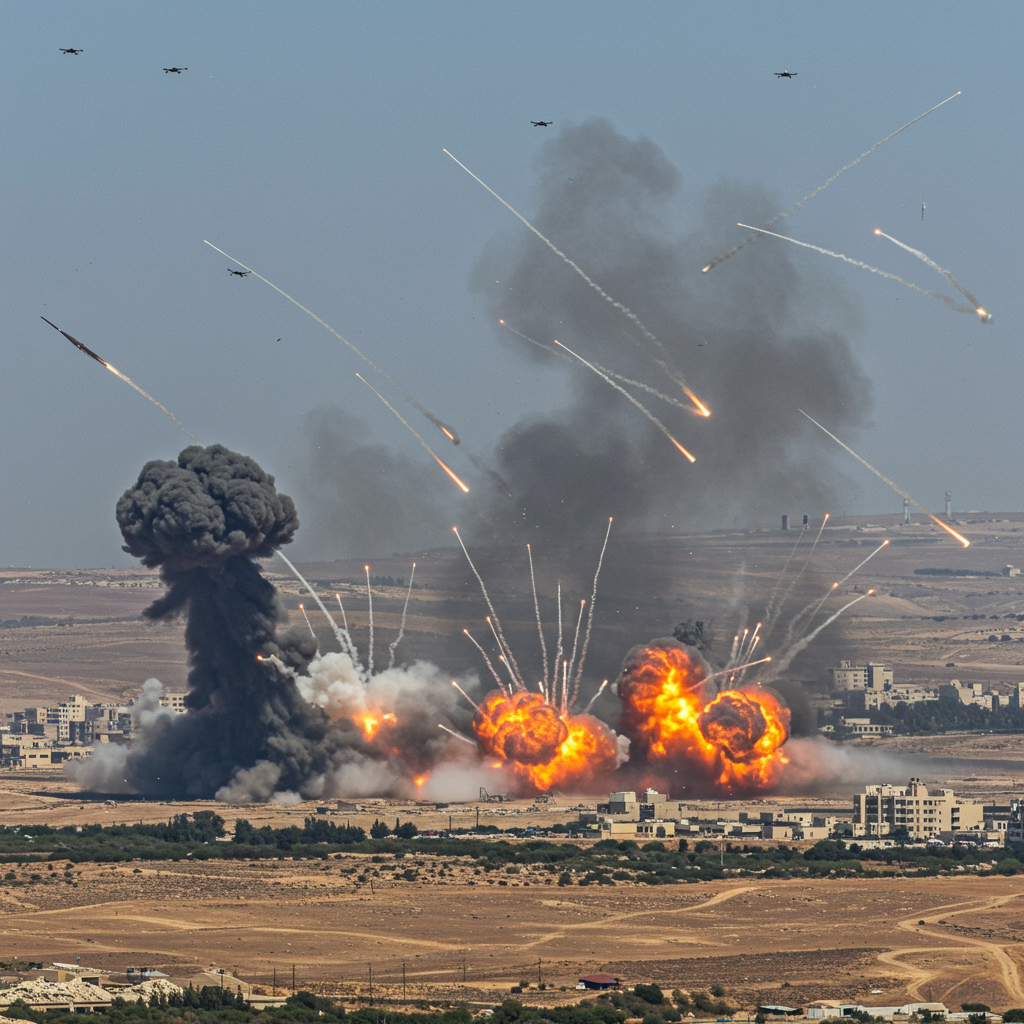
The deployment of foreign militias within Iran occurs against a backdrop of intense regional turmoil, where Iran’s traditional proxy networks are under unprecedented pressure. Israeli military operations have significantly degraded Hezbollah’s capabilities in Lebanon, a critical Iranian ally. Recent reports from October 2024 detailed intense Israeli airstrikes targeting key Hezbollah leaders in Beirut, including Hashem Safieddine, presumed to be the new leader after Hassan Nasrallah’s assassination, and Mohammad Rashid Sakafi, Hezbollah’s head of communications. Furthermore, Israeli forces attacked vital civilian infrastructure, including the Masnaa border crossing, alleging it concealed Hezbollah smuggling tunnels.
This extensive campaign, described by Time as a “pre-planned Israeli military campaign against Iran,” effectively “decimated Hezbollah within a month” in a preceding offensive. Hezbollah, once armed with over 100,000 missiles targeting Israel, was seen as an “existential threat.” Israel neutralized this threat through precision air strikes and unconventional tactics, signaling its readiness to confront Iran directly. This weakening of Hezbollah, a cornerstone of Iran’s regional influence, leaves the Iranian regime more exposed and potentially more desperate to ensure internal stability.
Meanwhile, the United States has intensified pressure on Lebanon to disarm Hezbollah completely. As of July 2025, American diplomat Thomas Barrack visited Beirut demanding Lebanon’s official response to a US proposal for disarmament. While Lebanon’s response remains confidential, it reflects significant external and internal calls for Hezbollah to surrender its arms. This pressure on Hezbollah, compounded by active Israeli military engagement, suggests that the Iranian regime may view deploying these forces domestically as a necessary measure, given the declining efficacy of its external power projection.
Fears of Global Retaliation and a “Nothing to Lose” Stance
Middle East experts express growing concern that Iran’s leadership, specifically Supreme Leader Ali Khamenei, might activate “sleeper cells” in Western countries as its conventional military capabilities and proxy forces face severe degradation. Barak Seener, a research fellow, warns that a “volatile, targeted, and highly vulnerable” Iran paradoxically becomes “increasingly dangerous to the West.” He suggests that a regime feeling it has “nothing to lose” may abandon rational calculations, turning to international terrorism as its only remaining recourse for exerting power.
Brian Carter, an expert at the American Enterprise Institute, supports this view, noting that “Iran or Hezbollah could turn to terrorism as a tactic in the coming months because both actors have been so badly weakened and have fewer options.” Iran has a history of attempted terror plots on US soil, including a 2011 Quds Force plot, a 2019 Hezbollah surveillance case, and a 2022 IRGC plot to assassinate John Bolton. This adds another layer of urgency and potential global ramifications to the Iranian regime’s current desperation, linking its domestic struggles to potential international actions.
The ongoing nationwide uprising in Iran is not merely a domestic issue. It is inextricably linked to Iran’s diminishing regional influence, intensified external pressures, and the regime’s increasingly desperate tactics for survival. As the economic collapse continues and international warnings intensify, the convergence of internal instability and external challenges could redefine Iran’s trajectory, carrying profound implications for regional and global security.
Frequently Asked Questions
What specific foreign militia groups are reportedly deployed in Iran, and why is this an escalation?
Independent sources indicate that approximately 850 fighters from Hezbollah, various Iraqi militias, and Iran’s elite Quds Force-linked groups have crossed into Iran. This is a significant escalation because it signifies the Iranian regime’s willingness to use allied foreign militias with combat experience against its own population to suppress widespread domestic dissent. Experts suggest it reflects growing concerns about the loyalty of Iran’s own security forces, making these foreign proxies a “failsafe” to ensure the regime’s survival.
How widespread are the protests across Iran, and what are the key areas affected?
The protests in Iran are highly widespread, engulfing more than 200 cities across 26 of the country’s 31 provinces. While the unrest initially centered in Tehran, it has expanded significantly into western provinces. Key affected regions include Kermanshah, Lorestan, Ilam, and Kurdish areas. This broad geographical reach underscores the depth and breadth of public dissatisfaction with the country’s theocratic leadership and its economic policies.
How do external regional conflicts and pressures influence Iran’s domestic security responses?
External regional conflicts, particularly Israel’s military campaigns against Iranian-backed proxies like Hezbollah, significantly influence Iran’s domestic security responses. The weakening of Iran’s traditional external power projection due to these conflicts and intensified US pressure on groups like Hezbollah may push the Iranian regime towards more desperate measures internally. With its proxy network under severe strain, ensuring internal stability becomes paramount for the regime’s survival, leading to the deployment of these very proxies within its own borders.
Conclusion
The ongoing uprising in Iran represents a critical juncture for the Islamic Republic. Faced with relentless domestic dissent fueled by economic hardship and political grievances, the regime’s reported deployment of foreign militias marks a chilling escalation. This move, analyzed by experts as a desperate continuation of a long-standing “playbook,” underscores deep concerns about the loyalty of Iran’s internal security forces. Simultaneously, Iran’s regional influence is under unprecedented pressure, with its key proxy, Hezbollah, significantly weakened by Israeli military actions and international demands. As Iran navigates this complex web of internal unrest and external challenges, the implications for its stability and broader regional security remain profound and volatile.