The Mid-Atlantic region, encompassing Philadelphia, Pennsylvania, New Jersey, and Delaware, is grappling with an alarming and unprecedented surge in flu activity, reaching levels not seen in over a decade. Health officials are issuing an urgent plea for residents to get vaccinated immediately, emphasizing that it’s not too late to protect yourself and your community as the season peaks. This intense flu surge has led to widespread illness, crowded emergency rooms, and significant public health concerns, particularly for vulnerable populations. Understanding the severity and taking proactive steps are crucial to navigate this challenging season.
Unprecedented Flu Activity Grips the Tri-State Area
The Centers for Disease Control and Prevention (CDC) reports that flu-like illness activity nationwide has reached its highest rate in 25 years, with the Philadelphia region at the epicenter of this crisis. Pennsylvania and Delaware are experiencing “high” categories of flu cases, while New Jersey is battling “very high” numbers. This means the virus is extensively circulating, making everyday interactions a higher risk. Dr. Mike Cirigliano of Penn Medicine noted an unprecedented increase in patient volume, observing three to four flu cases daily – a frequency he hasn’t encountered in his 33 years of practice.
The severity of this season is highlighted by alarming statistics: nationally, the CDC estimates at least 33 million flu illnesses, 430,000 hospitalizations, and 19,000 deaths so far. A particularly grim statistic reveals 86 pediatric flu deaths, with eleven occurring in a single week in early February. For the first time since the COVID-19 pandemic began, flu-related deaths have actually surpassed COVID-19-related deaths this winter, underscoring the formidable threat influenza poses.
Why This Flu Season Is So Intense
Several factors contribute to the exceptional severity of this flu surge in the Tri-State area. Experts point to increased social interactions post-pandemic, particularly around holiday festivities and travel, as a primary driver for viral transmission. Large gatherings, such as Super Bowl watch parties, are also implicated in the rapid spread.
Another critical factor is disappointingly low vaccination rates. Dr. Michelle Miglioi, a family medicine physician, stated that only about 45% of adults received their flu shot this season. CDC data indicates flu vaccination rates are at a three-year low for the general population and a six-year low among children. This collective lack of immunity creates fertile ground for the virus to spread rapidly and severely. While researchers like Dr. Scott Hensley at the University of Pennsylvania are actively measuring antibodies to understand vaccine effectiveness against current strains, medical professionals universally agree that the vaccine still offers significant protection.
Hospitals Overwhelmed and Local Lives Impacted
The impact of this severe flu season is palpable across the Philadelphia region. New Jersey hospitals are “inundated” with flu patients, leading to overwhelmed emergency rooms and hospitalizations. Dr. Martin Topiel, Infection Prevention Officer for Virtua Health, called it “one of the worst flu seasons we’ve seen in years.” He confirmed a noticeable increase in hospital admissions right after the holidays, particularly for high-risk individuals and those lacking adequate home care.
Personal accounts vividly illustrate the crisis. Mike Devlin of Havertown, feeling unwell before getting his shot, expressed concern, stating, “Woke up like a little bit of sinus pressure and stuff, so I just want to get rid of it while I can.” Ada Hung, a Cherry Hill mother of four, described her bout with influenza A as “miserable,” feeling “like I got hit by a bus,” which ruined her Christmas and birthday. She noted that while she took Tamiflu, autoimmune medications prevented her from getting vaccinated this year.
The regional breakdown reveals the extent of the spread:
New Jersey recorded over 12,000 flu cases through December, double the previous year.
Philadelphia leads Pennsylvania with 16,261 flu cases.
Bucks County reported 6,800 flu cases, and Montgomery County 8,232.
Delaware also reports high activity, contributing to the widespread regional illness.
This surge isn’t limited to just flu; other respiratory illnesses like RSV and COVID-19, along with norovirus, are also contributing to the overall burden on healthcare systems.
Your Best Defense: Vaccination and Proactive Measures
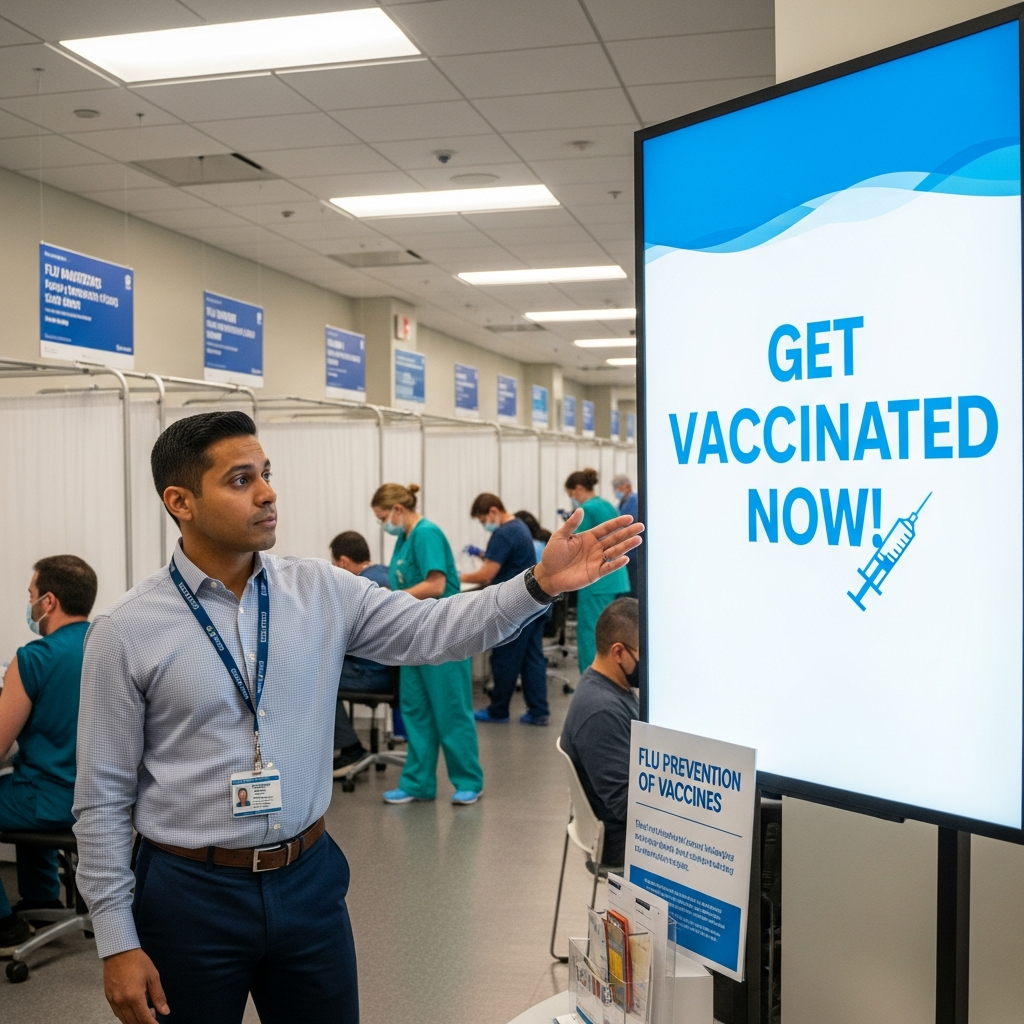
Despite the season being well underway, health officials unequivocally state that it is not too late to get vaccinated. Gayle Mendoza of the Philadelphia Health Department emphasized this point, explaining, “It does take a few weeks for that flu vaccine to really ramp up and build up antibodies in a person’s system. In order for that to happen, that’s why you should get it right now. Get it as soon as you can.” She underscored the critical message: “Some protection is better than no protection.” Mary Hogan of Upper Darby, a senior citizen, shared her wisdom, “I got my flu and my COVID because I’m a senior citizen,” demonstrating foresight.
Essential Preventative Strategies
Beyond vaccination, everyday preventative measures are crucial to curb the spread of the flu surge in the Philadelphia region:
Frequent Handwashing: Wash your hands often with soap and water for at least 20 seconds. If unavailable, use an alcohol-based hand sanitizer.
Cover Coughs and Sneezes: Use a tissue or your elbow to prevent germ spread.
Stay Home When Sick: This is perhaps the most important action. Do not go to work, school, or public gatherings if you have flu symptoms. Remember, the flu is often most contagious just before symptoms appear and for up to a week afterward.
Consider Wearing a Mask: In crowded indoor areas, masks can add an extra layer of protection against respiratory droplets.
- Avoid Touching Your Face: Minimize touching your eyes, nose, and mouth to prevent germ transfer.
- www.yahoo.com
- www.cbsnews.com
- 6abc.com
- northpennnow.com
- www.phillyburbs.com
If symptoms worsen, Dr. Cirigliano stressed the importance of getting tested and seeking prompt medical care. Early diagnosis can open doors to antiviral treatments like Tamiflu, which can reduce the severity and duration of the illness.
Looking Ahead: Preparing for What’s Next
While the current flu season remains intense, researchers are already working diligently to develop the next season’s vaccine. Dr. Scott Hensley’s lab at the University of Pennsylvania is analyzing current virus strains to inform future vaccine formulations. Public health officials, including Dr. David Damsker of the Bucks County Department of Health, continually reinforce the importance of staying informed and adhering to health recommendations. The ongoing surge serves as a stark reminder of the importance of widespread public health adherence.
Frequently Asked Questions
How severe is the current flu season in the Philadelphia region compared to previous years?
The current flu season in the Philadelphia region is classified as “high severity” by the CDC, reaching levels not seen in over a decade, and even the highest since the 1997-1998 flu season in the northeastern United States. Nationally, flu-like illness activity is at its highest rate in 25 years. Pennsylvania and Delaware are in the “high” category, while New Jersey is at “very high” levels, with specific areas like Philadelphia reporting over 16,000 cases and hospitals becoming “inundated.” This season has also seen flu-related deaths surpass COVID-19 deaths, highlighting its extreme impact.
Is it too late to get a flu shot during a peak flu season like this one?
No, health officials emphatically state that it is not too late to get a flu shot, even during the peak of this severe flu season. Gayle Mendoza of the Philadelphia Health Department explained that it takes a few weeks for the vaccine to build up antibodies, so getting it immediately helps establish protection as soon as possible. While the season is well underway, any level of protection is considered better than none. Experts urge everyone six months and older to get vaccinated to reduce the risk of severe illness, hospitalization, and death.
What are the main contributing factors to the unusually high flu activity in the Tri-State area?
The unusually high flu activity in the Tri-State area is attributed to a combination of factors. Increased social interaction and widespread holiday travel played a significant role in spreading the virus. Additionally, disappointingly low vaccination rates are a major concern; only about 45% of adults have received their flu shot this season, a three-year low for the general population and a six-year low among children. This reduced community immunity, coupled with potentially more transmissible strains, has created an environment conducive to the widespread and severe flu surge currently observed.
Take Action Against the Flu Surge
The ongoing flu surge in the Philadelphia region demands immediate attention and action from every resident. With flu activity reaching historic highs and healthcare systems under immense pressure, protecting yourself and others is paramount. Remember, vaccination is your most powerful tool, even late in the season. Combine it with diligent hand hygiene, mask-wearing in crowded spaces, and staying home when unwell. By working together, we can help mitigate the spread of this formidable virus and safeguard the health of our communities across Pennsylvania, New Jersey, and Delaware.