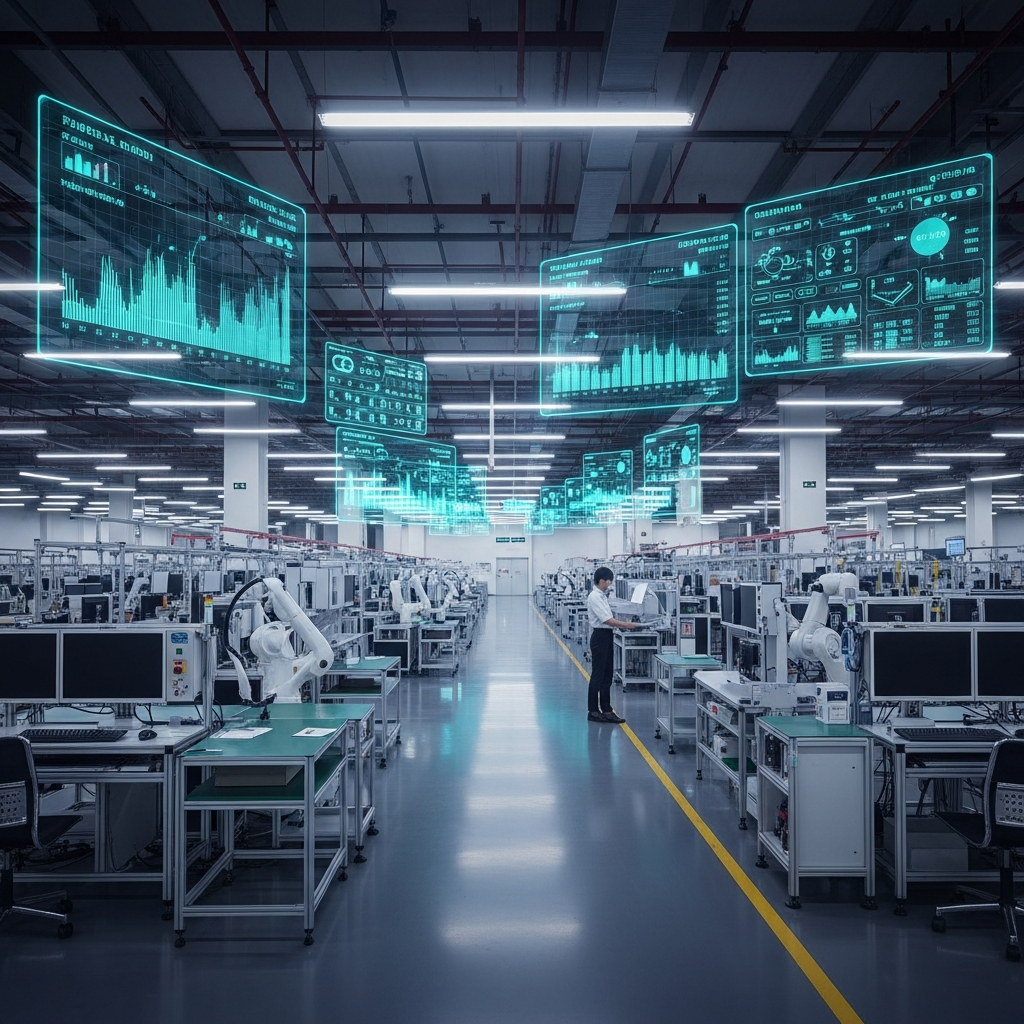
China’s manufacturing sector registered a significant upturn in December 2025, marking its first expansion in eight months. This development offers a much-needed, albeit tentative, boost to the world’s second-largest economy. While the headline figures suggest a recovery, expert analysis reveals a complex landscape beneath the surface, with lingering structural issues and uneven growth continuing to challenge Beijing’s economic planners. Understanding this latest shift is crucial for businesses and investors tracking global economic trends.
The Breakthrough Moment: China’s Industrial Rebound
For the first time since early 2025, China’s manufacturing sector moved into expansionary territory. This pivotal shift occurred in December 2025. The official Purchasing Managers Index (PMI) for manufacturing, a critical monthly survey by the National Bureau of Statistics, rose to 50.1. This figure nudged just above the crucial 50-point threshold, which delineates expansion from contraction. A separate private sector survey corroborated this positive trend, also reporting a PMI of 50.1 for the same month.
This rebound signals a potential turning point after a prolonged period of contraction. It brings a glimmer of hope for an economy grappling with slowing demand and entrenched structural strains. Many observers are calling this a “rare bright spot.” However, the nuanced reality of this expansion warrants a closer look, as economists remain cautious about its long-term sustainability. The China manufacturing rebound is a significant data point.
Decoding the Drivers Behind China’s Industrial Upturn
Several converging factors reportedly contributed to this unexpected return to growth. These elements suggest a mix of seasonal influences, strategic adjustments, and a subtle easing of external pressures. Understanding these drivers is key to evaluating the overall strength of the recovery.
Strategic Production for Seasonal Demand
A notable driver behind the December expansion was an uptick in orders. This surge came in anticipation of year-end holidays. Additionally, construction activity saw an acceleration, with builders pushing to complete projects. Manufacturers also ramped up production ahead of the Lunar New Year holidays, which typically fall in mid-February. Businesses often close during this period, making pre-holiday stockpiling a common practice. This cyclical demand provided a temporary but effective impetus to factory output.
Easing Global Trade Tensions
Another contributing factor was an easing of pressure from trade relations with the United States. An extended truce in the ongoing trade tensions reportedly reduced some uncertainties for Chinese exporters. While not a definitive resolution, this period of reduced friction may have encouraged increased production and order fulfillment. The stability offered by this reprieve provided some breathing room for manufacturers navigating a challenging global trade environment. Analyzing the impact of US-China trade relations remains vital for the global economy.
High-Tech and Export Sectors Lead the Way
Performance across specific industries highlighted areas of particular strength. High-tech industries emerged as frontrunners in this expansion. The official PMI for high-tech manufacturing climbed to 52.5 in December, marking a significant 2.4% increase from the prior month. Equipment manufacturing and the consumer goods industry also showed robust growth, with both reaching a PMI of 50.4. The National Statistic Bureau noted particularly strong showings in sectors like food, textiles, clothing, and electronics, where PMIs exceeded 53. This strong performance, especially in exports, is crucial. It is expected to aid the Chinese economy in approaching its official growth target of approximately 5% for the year. This targeted economic growth remains a primary objective for Beijing.
Beneath the Surface: Lingering Concerns and Structural Headwinds
Despite the positive headline figures for China’s manufacturing rebound, a deeper dive reveals significant qualifications and enduring challenges. Many experts express caution regarding the rebound’s depth and staying power. The reality of China’s economic landscape is far from uniformly positive.
A Marginal and Impulse-Driven Recovery?
Analysts from RatingDog, a Chinese credit research firm, offered a measured assessment. While overall orders increased, their report indicated a slight decline in new export sales. Furthermore, hiring activity within the manufacturing sector weakened during this period. Yao Yu, RatingDog’s founder, described the improvement as “marginal.” She suggested it might be “impulse-driven” by promotions and new product launches. This perspective casts doubt on the long-term viability of the recovery without broader economic shifts.
Uneven Growth Across Sectors and Sizes
The expansion was not evenly distributed across China’s vast economy. Large manufacturers saw an increase in output, benefiting from improved conditions. However, factory activity for small and mid-sized enterprises (SMEs) remained in contractionary territory. SMEs are vital to China, accounting for a substantial portion of national employment. Their continued struggles point to underlying vulnerabilities in the job market and broader economic fabric. Compounding this, conditions for retailers and restaurants deteriorated, as consumers continued to cut back on discretionary spending. This consumer caution is a critical factor impacting domestic demand.
Deep-Seated Economic Challenges Persist
Beyond the immediate manufacturing figures, China continues to grapple with profound, persistent economic challenges. One of the most significant is a multi-year slump in the property sector, which has substantial ripple effects across the economy. Addressing China’s property market crisis is essential for stable long-term growth. Another major concern is substantial industrial overcapacity, particularly noticeable in industries like automaking. This has led to damaging price wars, eroding profit margins for many companies. Additionally, higher costs for raw materials, especially metals, have pressured company profitability. Exporters, in response, raised prices for the first time in three months to offset these increasing input costs. These underlying issues suggest the path to sustained recovery is steep.
The Outlook Ahead: A Cautious Path to 2026
The cautious sentiment among economists underscores the complex journey ahead for the Chinese economy. Julian Evans-Pritchard from Capital Economics provided a reserved outlook. He suggested that the recent upturn might prove to be short-lived. He also hypothesized it could be partly bolstered by a modest increase in government spending. However, he concluded that “structural headwinds” stemming from the property downturn and industrial overcapacity are expected to persist well into 2026. This indicates that fundamental economic rebalancing is still required.
His analysis suggests that policymakers in China appear to have “limited appetite” for a significant increase in demand-side stimulus. This implies that any future growth will likely need to be more organic and less reliant on government intervention. The broader context of global economic outlook projections for 2026 will heavily influence China’s ability to navigate these challenges. The industrial output rebound is positive, but its fragility is undeniable.
Frequently Asked Questions
What key indicators signal China’s manufacturing rebound in late 2025?
China’s manufacturing sector signaled a significant rebound in December 2025, primarily indicated by the official Manufacturing Purchasing Managers Index (PMI) rising to 50.1. This figure moved just above the crucial 50-point mark, which separates expansion from contraction, after eight consecutive months of decline. A parallel private sector survey confirmed this positive shift, also reporting a PMI of 50.1. Additionally, robust performance in specific high-tech and export-oriented sectors provided further evidence of this tentative recovery.
Which specific sectors contributed most significantly to China’s recent manufacturing growth?
The high-tech industry emerged as a strong leader in China’s recent manufacturing growth. Its official PMI reached 52.5 in December 2025, marking a 2.4% increase from the previous month. Other key contributors included equipment manufacturing and the consumer goods industry, both registering PMIs of 50.4. Within the consumer goods sector, specific strong performance was noted in food, textiles, clothing, and electronics, all reporting PMIs exceeding 53. These sectors’ robust output significantly bolstered the overall China manufacturing rebound.
What are the primary concerns regarding the sustainability of China’s manufacturing recovery?
Several significant concerns temper optimism about the sustainability of China’s manufacturing recovery. Analysts describe the improvement as “marginal” and potentially “impulse-driven,” noting a decline in new export sales and weakened hiring. Growth remains uneven, with large manufacturers expanding while small and mid-sized enterprises (SMEs) continue to contract. Persistent challenges include a multi-year property sector slump, substantial industrial overcapacity (leading to price wars), and rising raw material costs. Furthermore, consumer spending cuts continue to impact retailers and restaurants, while policymakers show limited appetite for major demand-side stimulus, suggesting structural headwinds will persist into 2026.
Conclusion
The latest figures paint a picture of a Chinese manufacturing sector that is tentatively emerging from a prolonged slump. This China manufacturing rebound offers a much-needed positive signal, driven by seasonal demand, an easing of trade tensions, and strong performance in high-tech exports. However, the path ahead remains fraught with challenges. The recovery appears uneven, with SMEs still struggling, and deep-seated issues like the property crisis and industrial overcapacity persist. As global markets continue to monitor China’s economic trajectory, the sustainability of this current upturn will depend heavily on addressing these underlying structural weaknesses. Businesses and policymakers alike will need to remain vigilant and adaptable in navigating this complex economic landscape.