The Stranger Things series finale delivered an emotionally resonant farewell to Hawkins and its beloved residents, leaving fans both satisfied and heartbroken. Creators Matt and Ross Duffer, in a candid interview, peeled back the curtain on their creative decisions, revealing the deep thought behind every character’s destiny, the series’ symbolic full-circle ending, and the powerful themes of growing up and letting go. Dive deep into the ultimate Stranger Things journey and uncover the hidden layers of its poignant conclusion.
The Emotional Core of the Farewell Journey
From the very beginning, the Duffer Brothers envisioned a definitive end for their epic saga. Their central theme revolved around a group of friends transitioning from childhood innocence to young adulthood. This narrative arc culminated in a powerful, symbolic closing scene designed to encapsulate their entire journey.
The Symbolic Farewell to Childhood
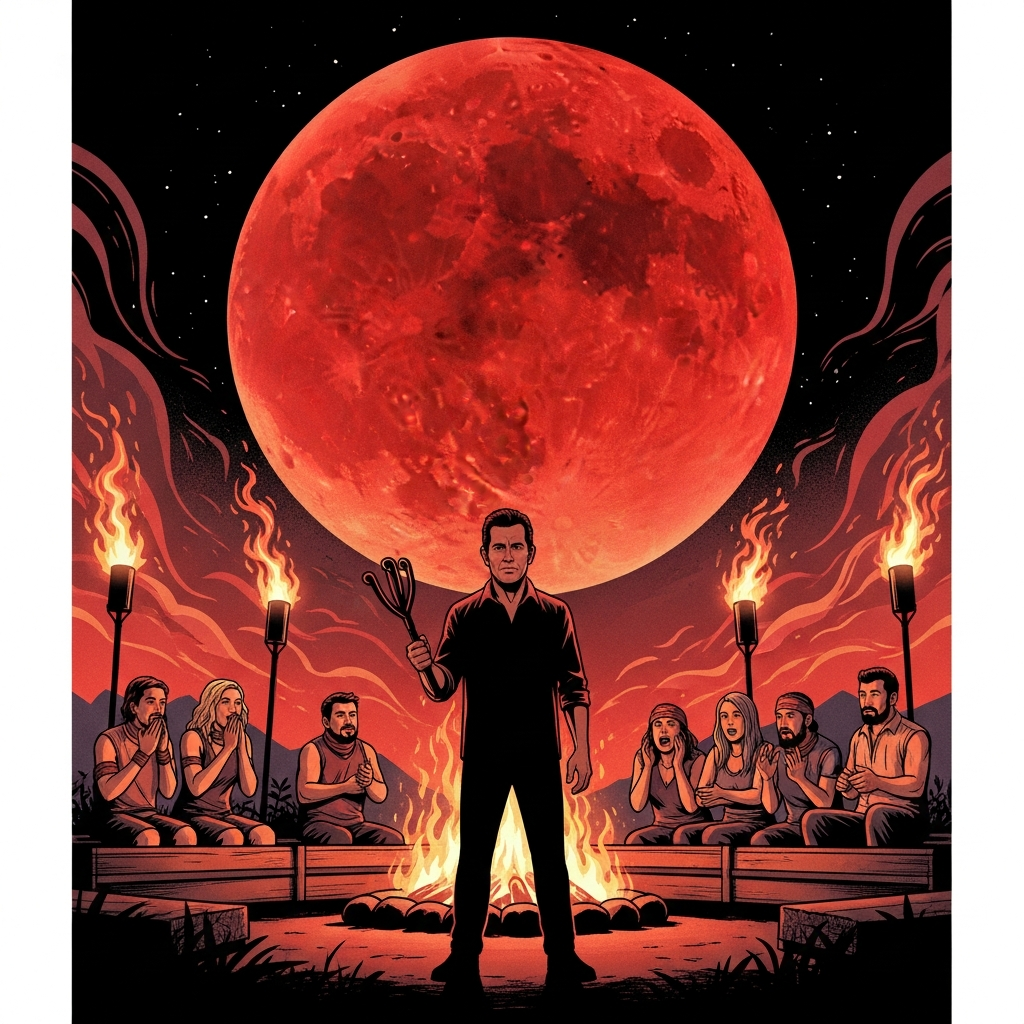
The final moments of the series saw Max, Lucas, Dustin, Will, and Mike ascending from the Wheelers’ basement. They had just completed their last Dungeons & Dragons campaign. Mike’s action of shutting the basement door was no accident. Matt Duffer revealed this definitive ending had been planned for a long time. It perfectly symbolized the core group leaving their childhood behind. Actor Finn Wolfhard, portraying Mike, delivered a performance filled with palpable grief, transitioning to a bittersweet acceptance. The sight of Mike’s younger sister, Holly, and her friends eagerly starting their own D&D game cemented the idea. The torch was passing to the next generation. Ross Duffer added that this moment also highlighted Mike cherishing his childhood joys. Those memories would always be with him, but it was time for a new chapter.
A Full-Circle Narrative: From D&D to Adulthood
The Stranger Things saga began with a D&D game in the Wheelers’ basement. It felt inherently right for it to conclude there as well. Ross Duffer emphasized this full-circle approach, underscoring the basement and D&D as potent symbols of the characters’ shared childhood. To bid farewell, they had to play one last time. Filming this scene was deeply emotional and nostalgic for the cast and crew, mirroring the characters’ own feelings. Matt Duffer shared that the day of shooting mirrored the scene itself. The emotions felt on set were genuine, contributing to a powerful final product.
Character Journeys & Definitive Endings
The finale meticulously crafted conclusions for the vast ensemble cast, ensuring each character’s journey felt earned and authentic. These individual arcs reinforced the overarching themes of growth and self-discovery.
Hopper and Eleven’s Reflective Speeches
Two significant monologues anchored the finale’s emotional depth, creating a powerful mirror effect between Hopper and Eleven. Hopper’s moving plea to Eleven to fight for survival articulated the creators’ concern for her challenging path. Ross Duffer explained this was a way for the writers to communicate the immense journey Eleven had undertaken. Later, Eleven delivered her own impactful monologue, asserting her right to make her own choices. This signaled her crucial coming-of-age moment. Matt Duffer highlighted that a major theme of the finale was personal growth. It depicted the end of a long coming-of-age story, where making independent decisions and parents learning to let go are paramount.
Eleven’s Ambiguous, Hopeful Future
One of the most talked-about aspects of the Stranger Things series finale was Eleven’s ambiguous ending. Mike tells a story of her potentially escaping the Upside Down and finding a new life in a small village. This ambiguity was a deliberate choice. Matt Duffer explained the goal was to confront the harsh reality of her situation. How could she possibly live a normal life with the group? The Duffer Brothers wanted to preserve her powers. Eleven, for them, represented the “magic” of childhood itself. For the story of Hawkins and the Upside Down to genuinely conclude, Eleven’s presence had to recede. The optimistic ending, despite its lack of concrete answers, allowed the characters to believe in a happy future for her. This provided a more profound sense of closure as they transitioned into adulthood. Mike, ever the optimist, chooses to believe this fantasy, which paradoxically keeps her “alive” in their shared narrative, as direct contact would only complicate their new reality.
The Kids’ Futures: Passions and New Beginnings
The Duffer Brothers collaborated closely with the actors to shape their characters’ ultimate destinies.
Mike embraces his innate talent, becoming a writer and storyteller.
Dustin pursues knowledge at college, all while maintaining his beloved bromance with Steve.
Max and Lucas finally share their long-awaited movie date, seeing the iconic film Ghost.
Will finds acceptance and a new beginning in a larger, more inclusive city.
These choices aimed to allow each character to find happiness in their own unique way, continuing the personal journeys they began in Season 1.
Love, Montauk, and Hopper’s Proposal
The long-simmering romance between Hopper and Joyce culminated in a heartfelt proposal at Enzo’s. This much-anticipated scene was planned well in advance. Matt Duffer described it as an opportunity for the pair to embark on a new chapter, especially after Hopper’s arduous journey with Eleven. The ending held a “Dickensian” feel, according to David Harbour, who collaborated extensively with the creators on his character’s arc. The mention of Montauk, where Hopper accepts a job offer, was a special nod to superfans. This location was the show’s original intended setting, offering a delightful Easter egg.
The Teens’ Trajectories: Independence and Growth
The younger adult characters also carved out distinct paths, reflecting their individual growth and aspirations beyond the horrors of the Upside Down. Their endings celebrated personal fulfillment and breaking free from expectations.
Steve, Nancy, Robin, and Jonathan Forge New Paths
The Duffer Brothers ensured the teens’ endings felt organic.
Steve chooses to stay in Hawkins, embracing his natural affinity for children by becoming a little-league coach. This decision highlighted his evolution from a “douchebag jock” to a beloved mentor, embodying one of the show’s central themes of subverting tropes.
Nancy defies expectations, dropping out of Emerson College to work at The Herald in Boston. Her path is one of fierce independence and self-discovery, intentionally veering away from conventional trajectories. This quest for self-fulfillment explained her separate path from Jonathan.
Robin attends Smith College, a detail suggested by actress Maya Hawke, further cementing her intellectual and progressive spirit.
Jonathan finally realizes his long-held dream of attending NYU, pursuing filmmaking. He works on an “anti-capitalist cannibal movie,” a quirky detail collaboratively developed with actor Charlie Heaton and inspired by the Duffer Brothers’ own film school experiences.
Jonathan Saves Steve: Resolving Long-Standing Tensions
A tense moment during the final battle saw Steve nearly plummeting from a radio tower. Jonathan’s heroic rescue was crucial, not merely for dramatic effect. Matt Duffer clarified it wasn’t about torturing fans with Steve’s potential death. Instead, it was about resolving the deep-seated conflict between Steve and Jonathan regarding Nancy. This moment paved the way for a candid conversation in the Abyss, allowing them to finally open up about their feelings. The Duffer Brothers wanted to showcase the genuine “bromance” between actors Joe Keery and Charlie Heaton on screen. Ross Duffer emphasized the necessity of resolving any remaining group tensions before facing Vecna and the Mind Flayer. This allowed the team to work as a unified front.
Unraveling Vecna’s Final Stand
The ultimate villain, Vecna, received further depth in the series finale, revealing more about his twisted motivations and the extraordinary efforts required to defeat him. The finale also gave a pivotal character the honor of delivering his final blow.
Vecna’s Choice: Control or Conviction?
The finale delved deeper into Vecna’s backstory, highlighting his insistence that his connection with the Mind Flayer was a conscious choice, not a mere possession. The writers considered a “Darth Vader-type” redemption arc for Henry. However, they concluded he was too far gone. Jamie Campbell Bower, who plays Vecna, concurred that his character needed to justify his monstrous actions, leading to the conviction that he “chose this” path. While his seeing certain memories might have shaken him, Vecna was past the point of turning back. The Duffer Brothers intentionally left the ambiguity of young Henry’s initial choice versus Mind Flayer control to the audience. Ultimately, Vecna’s allegiance remained with the Mind Flayer, making his fate clear.
Joyce Byers: Delivering the Final Blow
In a moment of powerful vindication, Joyce Byers delivered the brutal final blow to Vecna. Wielding an axe and declaring, “You fucked with the wrong family,” Joyce struck multiple times, ending his reign of terror. Winona Ryder recalled the intensity of filming, praising Jamie Campbell Bower’s professionalism despite the violent scene. Ross Duffer stated definitively that it “had to be Joyce.” She was the first to recognize and take action against the strange happenings in Season 1, driven by a “fierce love” for her family. This act served as a satisfying payoff after nine years, echoing an earlier scene from Season 1 where Joyce, armed with an axe, was ready to fight. The Duffer Brothers even saved the show’s first intended “F-word” for this climactic moment, perfectly delivered by Ryder.
Iconic Moments and Thematic Resonance
Beyond the individual character arcs and villainous confrontations, the finale wove in several memorable scenes and artistic choices that underscored the show’s core themes. These moments provided both tribute and closure.
Dustin’s Valedictorian Speech: A Tribute to Outsiders
Dustin’s rebellious valedictorian speech at high school graduation was a powerful highlight. It resonated deeply with the show’s central message. Ross Duffer confirmed that much of it was inspired by Eddie Munson and the spirit of Hellfire. Dustin’s act of ripping his diploma and flipping off the principal echoed Eddie’s earlier sentiments. The speech celebrated outsiders and outcasts banding together, embracing their “otherness” to defeat evil. Matt Duffer reflected on how Stranger Things masterfully subverted tropes. Characters like Steve, initially perceived as a “douchebag jock,” reveal genuine heart. Similarly, initial judgments of Eddie proved wrong. Dustin’s speech eloquently summarized how extraordinary circumstances brought diverse individuals together, enriching their lives through unexpected friendships. The show championed the idea that people, often unfairly judged, can transcend initial perceptions, as seen with characters like Derek, who proves to be courageous and kind-hearted.
The Perfect Soundtrack: From Prince to Bowie’s “Heroes”
Music always played a vital role in Stranger Things, and the finale was no exception. The Duffer Brothers successfully secured two notoriously difficult-to-license Prince songs, “When Doves Cry” and “Purple Rain,” for Episode 8. They aimed for something “more grandiose” as the Upside Down collapsed. “When Doves Cry” accompanied the characters’ escape as a bomb was detonated. “Purple Rain” followed, providing a somber, reflective backdrop as Eleven’s fate remained ambiguous. Ross Duffer noted the unprecedented discussions required to license “Purple Rain,” rarely used outside its namesake film, highlighting its perfect summation of the moment’s complex emotions. This success was largely thanks to the prior phenomenon of Kate Bush’s “Running Up That Hill (A Deal with God)” from Season 4. Its massive resurgence proved the show’s cultural impact, swaying Prince’s estate.
Later, David Bowie’s “Heroes” played during the finale credits. Actor Joe Keery (Steve) suggested the Bowie version, which the show had never used, recognizing it as a fitting anthem for the series’ conclusion. The iconic Peter Gabriel cover had been used previously, but the original Bowie version provided a profound sense of finality.
The Unseen Futures: Erica, Murray, and Mr. Clarke
Even minor characters received a brief nod regarding their potential futures, further cementing the sense of a complete narrative. The Duffer Brothers offered quick insights into these fan favorites.
Erica: Matt Duffer confidently predicted Erica would “absolutely be valedictorian.” Her fierce independence ensures she’ll go wherever she desires.
Murray: He’s likely still pursuing his “own weird stuff,” possibly alongside his new bond with Mr. Clarke.
Mr. Clarke: The beloved science teacher would continue his passion for educating kids.
These glimpses into their futures reinforce the enduring spirit of Hawkins, even as the core story concludes.
Frequently Asked Questions
What was the symbolic meaning of the D&D game in the Stranger Things finale?
The final Dungeons & Dragons game in the Wheelers’ basement held profound symbolic meaning. It represented the full-circle journey of the main characters, as their story began with a D&D game in the same location. For the Duffer Brothers, this setting was the ultimate symbol of the characters’ shared childhood. Playing one last campaign served as their collective farewell to innocence and their past. Mike shutting the door after the game physically manifested their transition from children to young adults, passing the torch to the next generation represented by Holly Wheeler and her friends.
How did the Duffer Brothers ensure a satisfying end for key characters like Hopper and Joyce?
The Duffer Brothers engaged extensively with the cast, particularly David Harbour and Winona Ryder, to craft satisfying endings for their characters. For Hopper and Joyce, their long-awaited date at Enzo’s and Hopper’s proposal were planned well in advance, offering a new chapter after their challenging journeys. David Harbour even envisioned a “Dickensian ending” for them. This collaborative approach, combined with the creators’ long-term vision for their arcs, ensured their conclusion felt authentic and earned, giving them a chance for peace and a future together in Montauk.
What artistic decisions made the Stranger Things finale emotionally resonant for viewers?
Several deliberate artistic choices contributed to the finale’s emotional impact. The Duffer Brothers’ commitment to a full-circle D&D ending symbolized the loss of childhood. The carefully crafted, mirroring monologues between Hopper and Eleven showcased their individual growth and interconnected bond. The nuanced, ambiguous ending for Eleven allowed characters (and viewers) to believe in hope, even without concrete answers. Finally, the strategic use of iconic music, like Prince’s “Purple Rain” during the Upside Down’s collapse and David Bowie’s “Heroes” for the credits, profoundly amplified the emotional weight and thematic resonance of the ultimate farewell.
Conclusion
The Stranger Things series finale stands as a testament to meticulous storytelling, deeply empathetic character development, and a clear vision for closure. The Duffer Brothers masterfully balanced spectacle with intimacy, delivering an ending that honored the show’s origins while propelling its characters into mature, independent futures. From the symbolic D&D game to the carefully chosen soundtrack and the definitive character arcs, every element served to provide a bittersweet, yet ultimately hopeful, farewell to a world that captivated millions. As the final door closed on Hawkins, the legacy of friendship, resilience, and embracing otherness was cemented, promising to leave a lasting mark on pop culture for years to come. Relive every moment of this incredible journey by streaming all seasons of Stranger Things* now on Netflix.