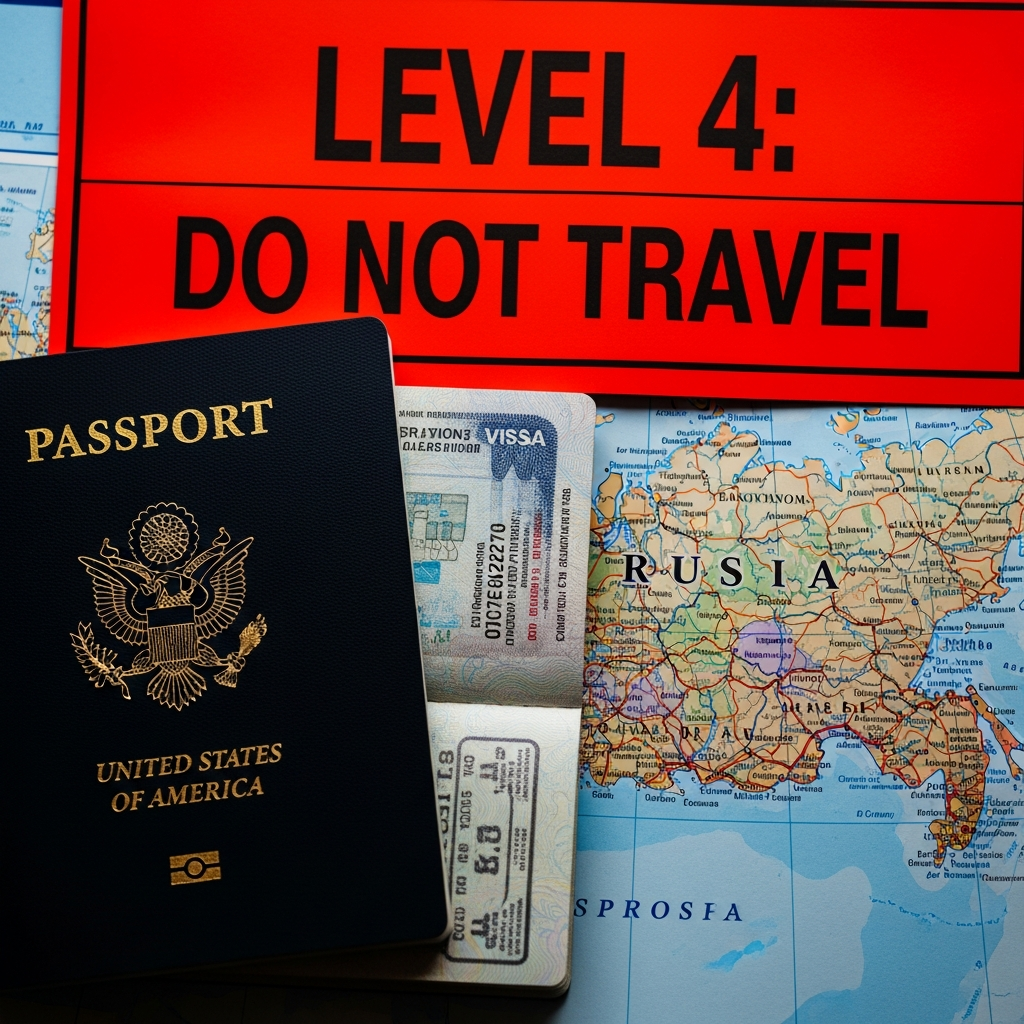
The U.S. State Department has reissued its most severe travel advisory for Russia, escalating concerns for American citizens within the country. On December 30, 2025, the agency reiterated its Level 4 “Do Not Travel” warning, initially announced in May, urging all Americans currently in Russia to depart immediately. This critical alert underscores profound risks, including potential wrongful detention, limited U.S. government assistance, and the severe implications for dual U.S.-Russian citizens.
Why the Urgent “Do Not Travel” Advisory?
Understanding the gravity of a Level 4 warning is crucial. This is the highest tier in the State Department’s comprehensive travel advisory system, reserved for countries where life-threatening risks are prevalent. It signifies that the U.S. government may be unable to provide assistance to its citizens in emergencies, emphasizing the extreme dangers. Russia joins a list of nations like Afghanistan, Iran, North Korea, Syria, and Ukraine under this dire classification, reflecting a significantly unstable and hazardous environment for foreign nationals.
Understanding Level 4: The Highest Warning
The U.S. State Department employs a four-tiered system to guide citizens on international travel safety:
Level 1: Exercise Normal Precautions (e.g., Canada, Japan)
Level 2: Exercise Increased Caution (e.g., Mexico, Germany)
Level 3: Reconsider Travel (e.g., Colombia, Israel)
Level 4: Do Not Travel (e.g., Russia, Syria, Iran)
A Level 4 advisory means the U.S. government explicitly advises against any travel due to prevalent, often life-threatening risks. These advisories are reviewed every six months, with more severe warnings indicating persistent and profound dangers.
Limited Consular Assistance: You’re On Your Own
A primary concern highlighted in the US travel warning Russia update is the drastically limited capacity of the U.S. Embassy to assist its citizens. Should Americans face detention or charges, the agency’s resources to intervene are severely restricted. This means you may not receive help from the U.S. embassy while in Russian custody. The State Department explicitly warns that the “risk of wrongful detention of U.S. citizens remains high.” Reports confirm Americans have been detained and questioned without credible evidence, and individuals could serve entire prison sentences without release, even if their case is later deemed wrongful.
The Peril of Dual Citizenship in Russia
For individuals holding both U.S. and Russian citizenship, the risks are particularly acute. Russia does not recognize U.S. citizenship for these individuals, treating them solely as Russian nationals. This policy has severe implications:
Blocked Consular Access: Russian authorities have blocked U.S. consular officers from visiting detained dual citizens, effectively isolating them.
Forced Military Service: Since the 2022 draft for the war in Ukraine, which is ongoing, the Russian government has reportedly forced dual citizens into military service.
Travel Bans: Dual citizens may be prevented from leaving the country.
Arrest: Failure to adhere to Russia’s laws and regulations on dual citizenship can result in arrest.
This puts dual citizens in an exceptionally vulnerable position, stripped of the protections typically afforded to foreign nationals.
Geopolitical Instability and Military Conflict
The ongoing military conflict between Russia and Ukraine significantly destabilizes security, particularly in southwestern Russia. Martial law has been declared in several areas, further restricting freedoms. This conflict not only poses direct dangers but also fuels an unpredictable political climate where foreign nationals, including Americans, can become targets or casualties of escalating tensions. The situation in Russia mirrors similar concerns in neighboring Belarus, also under a Level 4 warning, where support for Russia’s war in Ukraine exacerbates instability and danger for travelers.
Navigating the Challenges of Leaving Russia
While the advisory urges immediate departure, leaving Russia presents substantial practical challenges for Americans:
Financial Roadblocks: U.S.-issued debit and credit cards are non-functional within Russia. Furthermore, international sanctions have made electronic money transfers from the U.S. “nearly impossible.” This severely restricts access to funds needed for travel or daily expenses.
Limited Air Travel: Securing air travel is currently extremely difficult and may not be possible on short notice. The U.S. Embassy can offer only limited assistance for departure, and transportation options could become even more restricted without warning.
The onus is on individuals to make their own travel plans, often with significantly diminished resources and options.
Essential Precautions for Americans in Russia (If You Choose to Stay)
Despite the severe US travel warning Russia advisory, if Americans choose to remain in or travel to Russia, the State Department advises extensive and critical preparation.
Preparing for the Unforeseen: Detention & Monitoring
Assume Monitoring: Be aware that all electronic communications and devices in Russia are presumed to be monitored by Russian security services. These services have previously arrested U.S. citizens and other foreign nationals based on information found on their electronic devices, even data created or stored abroad.
Prepare for Detention: Be ready for the possibility of detention for an unknown amount of time, potentially without a clear reason or the ability to contact your embassy or anyone else for help.
Securing Your Affairs and Loved Ones
Legal Preparations: Prepare a will and designate appropriate insurance beneficiaries or a power of attorney.
Document Sharing: Share important documents, login information, and points of contact with loved ones. This ensures they can manage your affairs if you are unable to return to the United States as planned.
Family Plans: Discuss comprehensive plans with loved ones regarding the care and custody of children, pets, property, non-liquid assets (like collections or artwork), and funeral wishes.
DNA Samples: Leave DNA samples with your medical provider, as this may be necessary for your family to access if extreme circumstances arise.
Communication Plan: Develop a precise communication plan with family, your employer, or host organization. This should specify how and when you will confirm your safety (e.g., text or call) and how often you will do this.
Broader Context: Global High-Risk Destinations
Russia’s Level 4 status places it among a group of countries where travel is strongly discouraged due to extreme dangers. Other nations like Iran, Belarus, and Yemen also carry high-level warnings. Iran, for example, is notorious for detaining foreign nationals, especially dual citizens, often without legal grounds. Yemen is under a strict “no American should step foot” warning due to civil war and widespread terrorism. Understanding this broader context highlights that the U.S. State Department’s US travel warning Russia is not an isolated event but part of a cautious approach to protecting its citizens in areas of severe global instability.
Frequently Asked Questions
What specific risks do Americans face under the Level 4 “Do Not Travel” warning for Russia?
Americans in Russia face a high risk of wrongful detention, with limited U.S. embassy assistance available in such cases. They may be detained or questioned without credible evidence, and if convicted, could serve full prison sentences without release. Furthermore, electronic communications and devices are presumed to be monitored by Russian security services, which have used such information for arrests. The ongoing conflict with Ukraine and martial law in some regions also contribute to an unstable and potentially dangerous security environment.
How difficult is it for Americans to leave Russia right now, and what challenges might they encounter?
Leaving Russia is significantly challenging due for several reasons. U.S.-issued debit and credit cards are non-functional, and international sanctions have made electronic money transfers from the U.S. “nearly impossible,” severely restricting access to funds. Additionally, securing air travel is extremely difficult on short notice, and transportation options could become even more limited. The U.S. Embassy can offer only limited assistance, placing the responsibility for departure planning primarily on the individual.
Should dual US-Russian citizens be especially concerned, and what particular risks apply to them?
Yes, dual US-Russian citizens face heightened risks. Russia does not recognize their U.S. citizenship, treating them solely as Russian nationals. This means U.S. consular officers may be blocked from visiting them if detained. More critically, the Russian government has reportedly forced dual citizens into military service for the ongoing war in Ukraine, and prevented them from leaving the country. Failure to adhere to Russian laws on dual citizenship can also lead to arrest.
Conclusion: Prioritize Safety Above All
The updated US travel warning Russia* is a stark reminder of the profound dangers facing American citizens in the country. The U.S. State Department’s reiteration of the Level 4 “Do Not Travel” advisory is not a recommendation but a critical alert urging immediate departure due to the high risk of wrongful detention, severely limited consular support, and geopolitical instability. For those who choose to remain, meticulous preparation and an understanding of the severe implications, especially for dual citizens, are paramount. Prioritize your safety and review the latest guidance directly on the State Department website for the most current and comprehensive information.