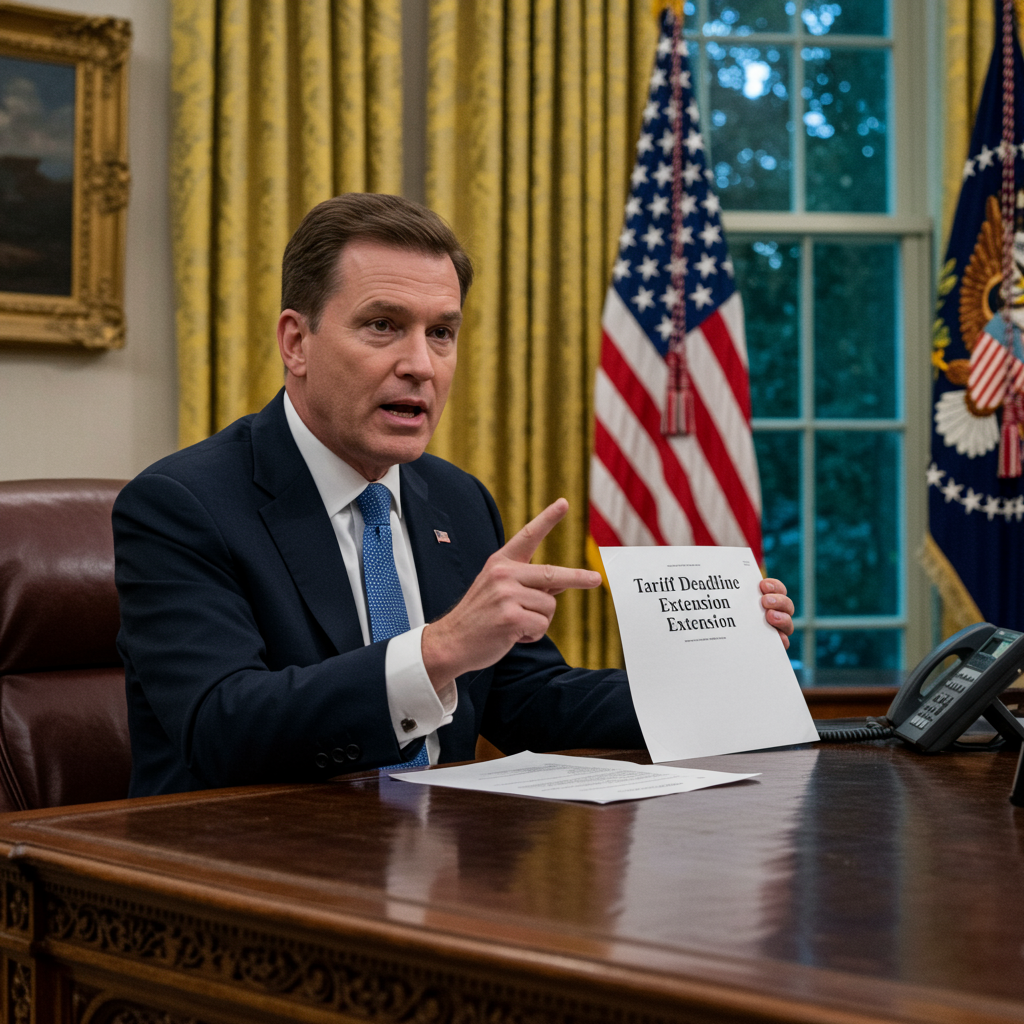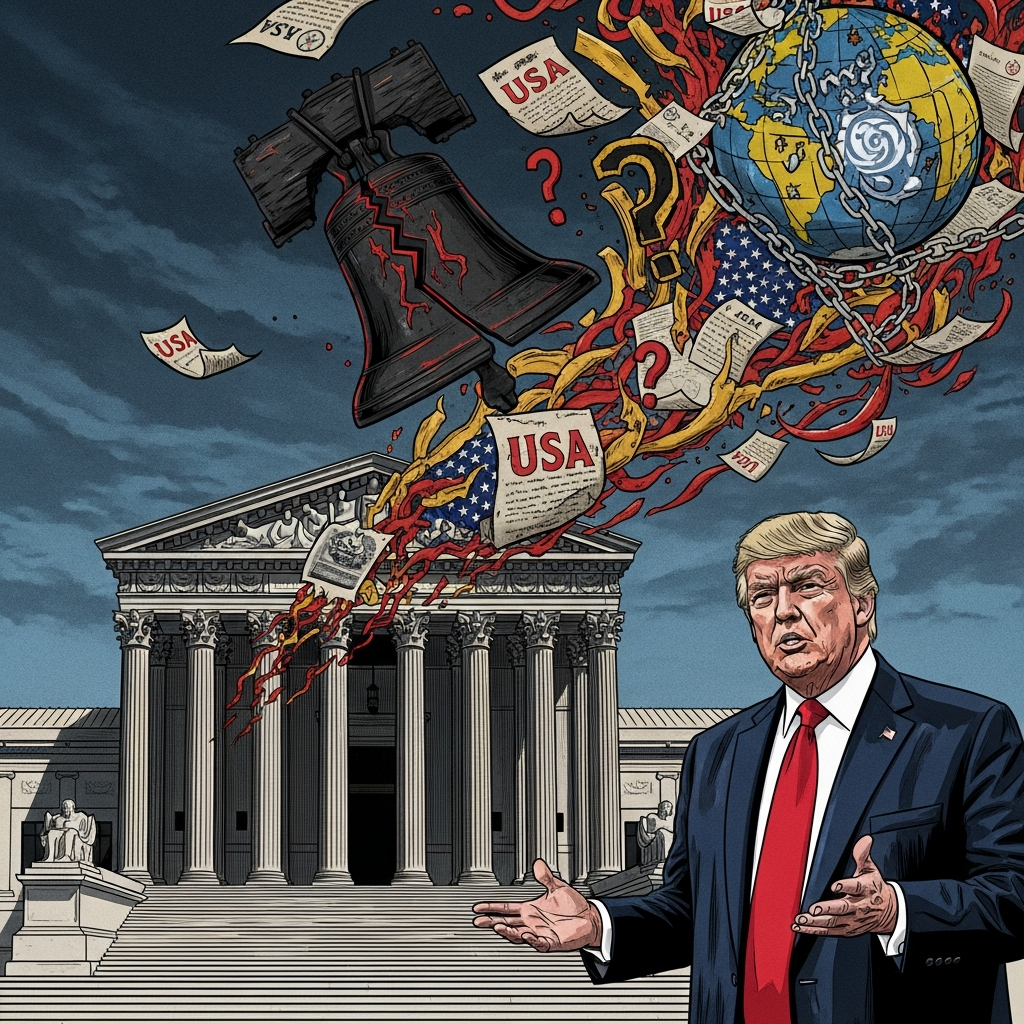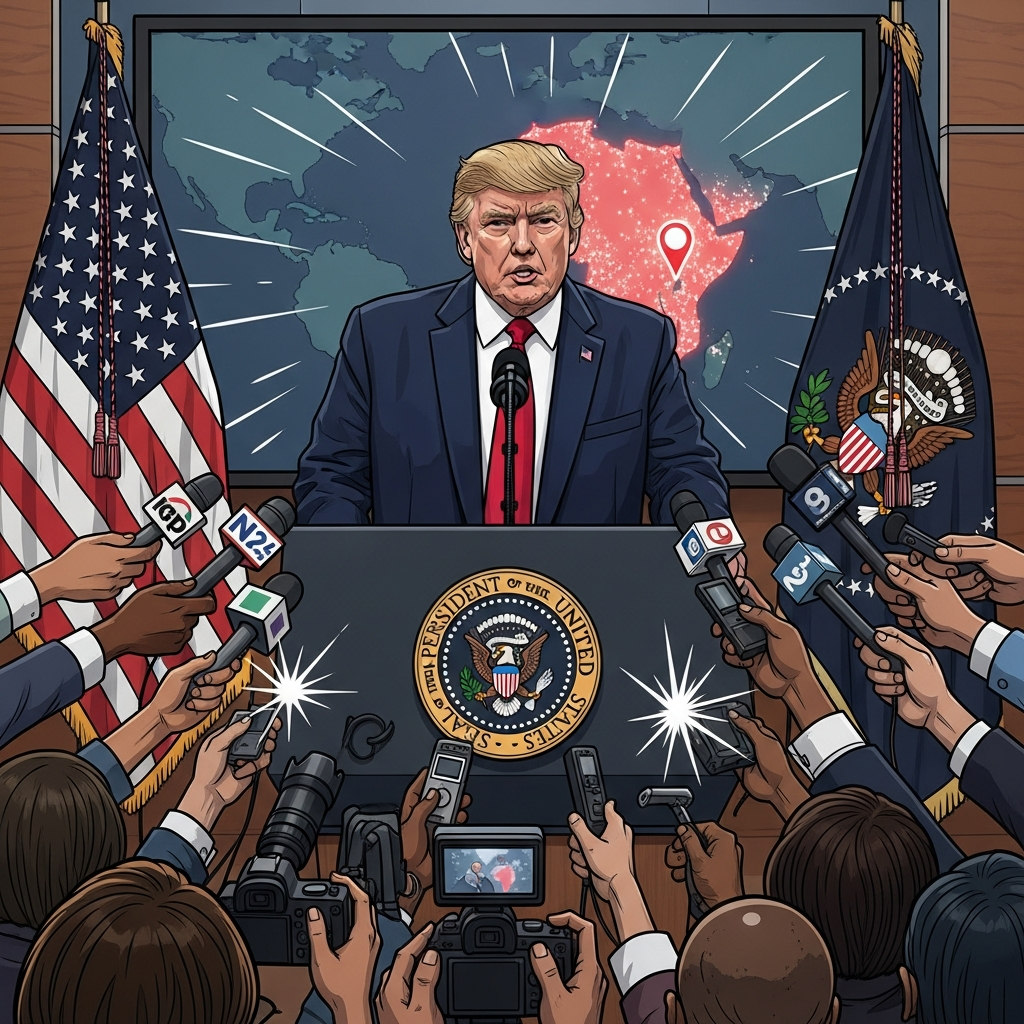
On Christmas Day, the United States conducted precision military strikes against alleged ISIS targets in northwest Nigeria. This operation, announced by then-President Donald Trump, ignited a global discussion. While Trump emphasized the protection of Christians, Nigerian officials presented the action as a collaborative effort against a broader terrorist threat affecting all citizens. This article delves into the intricate details of these strikes, the differing narratives, and the complex reality of terrorism in Africa’s most populous nation.
Christmas Day Strikes: Operation Details and Immediate Aftermath
The U.S. military launched a series of “powerful and deadly strikes” on Thursday, December 25, targeting Islamic State affiliates in Nigeria. According to President Trump, these operations specifically aimed at “ISIS Terrorist Scum” in Northwest Nigeria. US Africa Command (AFRICOM) confirmed the strikes took place in Sokoto state, bordering Niger, in close coordination with Nigerian authorities. Initial assessments indicated “multiple ISIS terrorists were killed” in the targeted camps.
The operation reportedly involved Tomahawk missiles fired from a Navy vessel, striking two ISIS camps. Separately, the Nigerian Information Minister Mohammed Idris detailed that sixteen GPS-guided precision munitions were deployed using Reaper drones. These strikes, executed between 12:12 and 1:30 a.m. local time, focused on two major ISIS enclaves within the Bauni forest of the Tangaza area. Nigerian officials described these sites as assembly and staging grounds for “large-scale terrorist attacks.” While debris from expended munitions fell in Jabo (Sokoto State) and Offa (Kwara State), no civilian casualties were reported.
Divergent Narratives: Trump’s Stance vs. Nigeria’s Perspective
President Trump’s announcement of the strikes on social media painted a specific picture. He claimed to have personally delayed the operation to fall on Christmas, calling it a “Christmas present” for the terrorists. Trump explicitly stated his directive was a response to the “viciously killing” of “innocent Christians” in Nigeria, warning of “hell to pay” if such actions continued. This aligned with his previous focus on the plight of Christians in Nigeria, even designating the nation as a “Country of Particular Concern” for religious freedom violations. He concluded his statement with a stark warning that “Radical Islamic Terrorism” would not prosper under his leadership.
In contrast, Nigerian officials provided a distinctly different framing of the operation. Foreign Minister Yusuf Tuggar confirmed speaking with US Secretary of State Marco Rubio beforehand, stating President Bola Tinubu gave the “go ahead.” Tuggar emphasized the operation as a “joint effort” driven by intelligence provided by Nigeria. He firmly rejected any religious motivation, asserting, “This is not about religion. It is about Nigerians, innocent civilians, and the wider region as a whole.” Nigerian officials stressed their commitment to fighting terrorism against all citizens – Muslim, Christian, or other faiths – and welcomed collaboration with any nation willing to assist. This deliberate clarification underscored Nigeria’s multi-religious identity and its desire to avoid sectarian division.
Unmasking the Targeted Group: Lakurawa and ISIS Sahel Affiliation
Security analysts believe the primary target of these strikes was likely Lakurawa, a lesser-known but increasingly deadly group operating in Nigeria’s northwestern states. Declared a terrorist organization by Nigerian authorities, Lakurawa has sought to establish a stronghold in Sokoto state. This group, claiming affiliation with ISIS Sahel, differs from the long-standing jihadist conflicts of Boko Haram in the northeast.
Lakurawa’s origins, according to former U.S. Special Envoy for the Sahel J. Peter Pham, lie in self-defense groups formed due to the Nigerian government’s inability to protect communities. However, they evolved into an oppressive force, establishing dominion, recruiting young people through kidnappings, and imposing a harsh interpretation of Islam. They exploit weak local governance and maintain ties with jihadist networks in neighboring Niger and Mali. This hybrid crime-terrorism threat, involving links to bandits and criminals, has intimidated predominantly Muslim residents and preached radicalization in rural communities.
Nigeria’s Complex Web of Violence: Beyond Religious Persecution
The broader context of violence in Nigeria is far more nuanced than a singular focus on Christian persecution suggests. While Islamist groups like Boko Haram in the northeast have indeed targeted both Christians and the military, the northwest’s challenges are distinct. Experts and data from conflict monitors, like ACLED, indicate that most victims of violence across Nigeria have been Muslims.
Violence in Central Nigeria often stems from decades-long land disputes between nomadic herders (mostly Muslim) and farmers (mostly Christian) over dwindling resources. In the northwest, the violence is mainly driven by criminal bandit groups, though their growing links with Islamic State affiliates, like Lakurawa, have created a dangerous hybrid threat. Oluwole Oyewale, an African security analyst, noted that Trump’s “binary framing of the issue as attacks targeting Christians does not resonate with the reality on the ground.” Such oversimplifications, he warned, risk exacerbating existing “fault lines of division” in Nigeria. Foreign Minister Tuggar also cautioned against reducing the conflict to “Muslims killing Christians,” calling it a “completely wrong” simplification.
Expert Insights: Limited Impact and Governance Challenges
Expert analysis, particularly from J. Peter Pham, raised critical questions about the US strikes. Pham expressed puzzlement over the specific targeting location in Sokoto, suggesting other areas might have been more relevant for hitting extremists primarily targeting Christians. He believes the strike will have a “very limited impact” on violence against Christians.
Pham also voiced concerns about coordinating with the Nigerian government, particularly regarding potential “double agendas” from “certain politicians.” He attributed root causes of violence to a lack of governance, capacity, and political will within Nigeria. While acknowledging the value of drawing attention to the issue, he remained “very suspect” about extensive intelligence sharing with certain Nigerian government factions. This highlights a persistent challenge for international counter-terrorism efforts: ensuring reliable partnerships and addressing the underlying systemic issues that allow extremism to flourish.
Frequently Asked Questions
What were the US military strikes in Nigeria about?
The US military, on Christmas Day, conducted precision air strikes in northwest Nigeria, targeting alleged ISIS-affiliated terrorist camps. President Donald Trump publicly announced these “powerful and deadly strikes,” stating they were in retaliation for the “viciously killing” of Christians in Nigeria. Nigerian officials, however, described the operation as a joint effort with the US, driven by Nigerian intelligence, and emphasized its goal was to combat terrorism against all Nigerian citizens, regardless of their religious affiliation.
Who was the primary target of the US strikes in northwest Nigeria?
While President Trump broadly referred to “ISIS Terrorist Scum,” security analysts identified the likely primary target as Lakurawa. This group, claiming affiliation with ISIS Sahel Province, had established a presence in Sokoto state, northwest Nigeria. Lakurawa reportedly evolved from local self-defense groups into an oppressive force involved in recruitment, kidnappings, and imposing radical Islamic interpretations, often linking with criminal bandit networks in the region.
How do US and Nigerian officials’ narratives differ regarding the strikes?
President Trump publicly justified the strikes as a direct response to the persecution of Christians in Nigeria, timing them on Christmas Day and framing them as a punitive measure. Conversely, Nigerian Foreign Minister Yusuf Tuggar and other officials affirmed the operation was a coordinated, joint effort. They explicitly denied any religious motivation for the strikes, stating their aim was to protect all Nigerians from terrorism and that the conflict was not about “Muslims killing Christians.” This highlights a significant divergence in messaging and perceived intent.
Conclusion
The Christmas Day US strikes against ISIS-linked targets in Nigeria underscore the complex and often contentious nature of international counter-terrorism efforts. While President Trump’s narrative centered on religious persecution, Nigerian officials emphasized a broader, collaborative fight against a multifaceted threat. The incident brought to light the intricate web of violence in Nigeria, driven by a combination of criminal banditry, resource conflicts, and jihadist ideologies, where both Christian and Muslim communities suffer. Moving forward, effective strategies for regional stability will require a nuanced understanding of these challenges, robust international cooperation, and a sustained commitment from the Nigerian government to address issues of governance and protect all its citizens from every form of extremism.