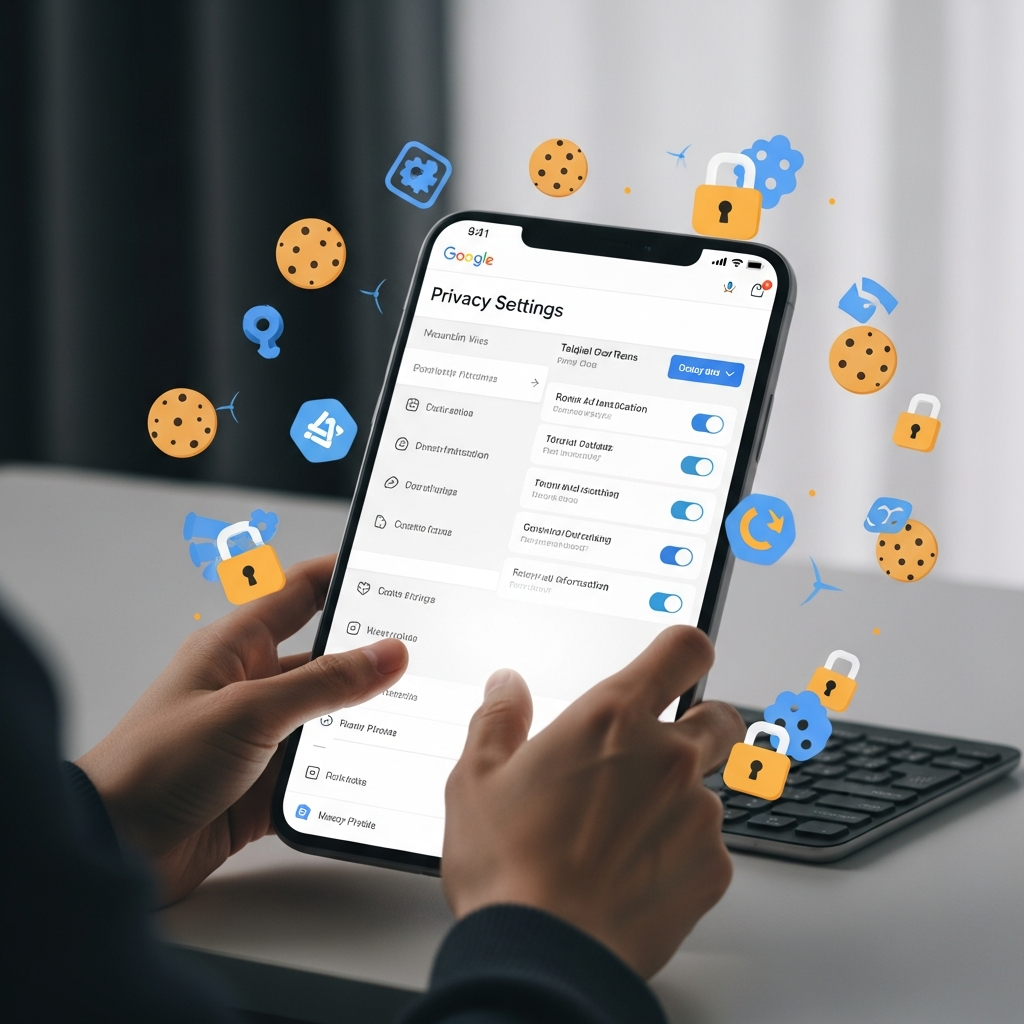
Navigating the digital world often means encountering requests for consent regarding your data. When you interact with services like Google, understanding how your information is used and how to control it becomes paramount. This comprehensive guide will demystify Google’s approach to cookies and data, empowering you to make informed decisions about your online privacy. We’ll break down what information Google collects, why it’s gathered, and, most importantly, how you can precisely manage your privacy settings for a truly personalized and secure experience.
Unpacking Google’s Data Use: The Foundation of Digital Services
Before you dive into Google’s vast array of services, you’re often presented with a choice about how your data is handled. This isn’t just a legal formality; it’s fundamental to how Google operates. At its core, data collection serves several critical purposes designed to enhance your user experience and maintain service integrity.
Why Google Uses Cookies and Your Data
Cookies are small pieces of data stored on your device that help websites remember information about you. Google leverages these, alongside other data, for a range of essential functions:
Service Delivery and Maintenance: This ensures Google services function correctly, from basic search queries to complex applications. It’s about keeping the lights on and the engines running smoothly.
Tracking Outages and Security: Data helps Google detect and resolve technical issues quickly. It also forms a crucial line of defense against spam, fraud, and abuse, protecting both its infrastructure and its users.
Audience Engagement and Service Enhancement: By analyzing how users interact with its services, Google gains insights into popular features and areas needing improvement. This data-driven approach fuels continuous innovation, leading to better, more intuitive products.
These foundational uses are typically essential for Google’s services to function at all. However, your consent often extends to additional uses that offer more personalized experiences.
Your Choices Matter: Personalizing or Protecting Your Google Experience
When prompted, you’re typically given options like “Accept all” or “Reject all,” along with “More options” for granular control. Understanding what each choice entails is key to managing your digital footprint effectively.
The Impact of Accepting All Cookies and Data
Choosing “Accept all” allows Google to use cookies and data for the core functions mentioned above, plus several additional purposes that significantly enhance personalization:
Service Development and Improvement: Your data helps Google refine existing services and build innovative new ones. This can lead to features that anticipate your needs or solve problems you didn’t even know you had.
Ad Effectiveness Measurement: Google uses data to understand how well ads perform. This isn’t just about showing you more ads; it’s about making sure the ads you do see are relevant and valuable.
Personalized Content and Ads: This is where your past activity truly comes into play. With consent, Google can tailor content recommendations (e.g., news articles, YouTube videos) and advertisements based on your prior searches, browsing history, and interactions across its platforms. This means a more customized online environment, potentially showing you things you’re genuinely interested in.
What Happens When You Reject All (or Opt for Non-Personalized)
If you choose “Reject all” or manage your settings to avoid personalization, Google will primarily stick to the essential functions. Content and ads you encounter will still be present but influenced by different factors:
Non-Personalized Content: This content is typically influenced by real-time context. Factors include the specific content you are currently viewing, activities within your active Google Search session, and your general geographic location (e.g., showing local news based on your city, not your past interests).
Non-Personalized Ads: Similarly, these advertisements are primarily influenced by the content of the webpage you are on and your broader geographic region. They will not be tailored based on your individual browsing history or previous Google searches.
It’s important to remember that rejecting personalization doesn’t mean an ad-free experience. It simply means the ads shown will be less targeted to your specific tastes and past behaviors.
Taking Control: Mastering Your Google Privacy Settings
Beyond the initial “Accept all” or “Reject all” prompts, Google provides robust tools for managing your privacy and data. The “More options” link is your gateway to these granular controls.
Diving Deeper with “More Options” and Google Privacy Tools
Clicking “More options” often leads to a detailed dashboard where you can customize exactly which types of data Google can collect and how it uses them. The central hub for this comprehensive management is g.co/privacytools. Here, you can find your Google Account’s privacy controls, which include:
Activity Controls: These allow you to pause or delete Web & App Activity, Location History, and YouTube History. Pausing these prevents Google from saving new activity, while deleting lets you clear past data.
Ad Settings: Here, you can see what Google thinks your interests are for ad targeting. You can edit these interests, turn off ad personalization entirely, or even block specific advertisers.
Data & Privacy Dashboard: This section provides an overview of your data across Google services, allowing you to review, download, or delete it.
Actively engaging with these tools empowers you to define your comfort level with data collection and tailor your Google experience to your privacy preferences. Google also uses cookies and data to tailor experiences to be age-appropriate, where relevant, adding another layer of user consideration.
Personalizing Your Google Experience: Language and Region Settings
Beyond data and privacy, the initial cookie consent screen often includes extensive language options. This highlights Google’s commitment to global accessibility and the importance of localized experiences.
The Global Reach of Google: Customizing Language Settings
The vast list of languages presented, from Afrikaans to Vietnamese, underscores Google’s global presence. Your language setting influences more than just the interface; it impacts:
Search Results: Tailoring results to be more relevant to your linguistic and cultural context.
Content Recommendations: Suggesting news, videos, and articles in your preferred language.
User Interface: Ensuring menus, buttons, and help documentation are displayed in a language you understand.
You can typically change your language settings within your Google Account preferences, ensuring your entire Google ecosystem reflects your linguistic preference. This level of customization ensures a more natural and intuitive interaction with Google services, regardless of where you are in the world.
Geographic Relevance and Content Delivery
Your general location plays a significant role in how Google delivers non-personalized content and ads. For instance, a news search for “weather” will default to your current location if no specific city is provided. This combines with language settings to create a geographically and linguistically relevant, albeit non-personalized, digital experience.
Frequently Asked Questions
1. What are Google’s primary reasons for using cookies and data?
Google primarily uses cookies and data for several essential purposes: to deliver and maintain its services, track outages, protect against spam, fraud, and abuse, measure audience engagement, and enhance the overall quality of its offerings. These functions are crucial for ensuring the stable, secure, and effective operation of all Google services, from search to Gmail and YouTube.
2. Where can I find and manage my Google privacy settings?
You can find and manage your Google privacy settings through a dedicated hub located at g.co/privacytools. Additionally, options to manage your data, activity controls, and ad personalization settings are accessible within your Google Account dashboard. When first encountering a cookie consent prompt, selecting “More options” will also typically lead you to granular controls for your data preferences.
3. How do Google’s language settings impact my online experience?
Google’s language settings significantly impact your online experience by tailoring the content and interface to your preferred language. This means search results, news recommendations, YouTube videos, and the Google service menus themselves will be presented in your chosen language. This customization ensures a more relevant, intuitive, and culturally appropriate digital interaction, enhancing usability for users worldwide.
Conclusion: Empowering Your Digital Journey with Google
Understanding and managing your Google privacy settings is a powerful way to shape your online experience. Google’s use of cookies and data is multi-faceted, ranging from fundamental service operation to highly personalized content delivery. By leveraging tools like “More options” and g.co/privacytools, you gain the ability to choose your level of personalization, protect your digital footprint, and customize your experience, right down to your preferred language. Take the time to explore these settings; your privacy and online comfort are worth the investment.