A devastating incident at a popular Goa nightclub transformed a night of revelry into an unimaginable tragedy. The Goa nightclub fire, a stark reminder of the critical importance of safety protocols, left a community reeling and prompted urgent questions about venue security. This article delves into the harrowing details surrounding the blaze, its immediate aftermath, and the profound lessons learned to prevent future catastrophes in Goa’s vibrant nightlife scene. Understanding the circumstances of such an event is crucial for both patrons and establishments alike, ensuring that entertainment spaces remain safe havens, not sites of sorrow.
The Night Everything Changed: Unveiling the Goa Nightclub Fire
The incident, which occurred at a prominent club in a bustling coastal area of Goa, reportedly began in the early hours. Eyewitness accounts, pieced together from hypothetical reports, describe a scene of sudden chaos. A small fire, believed to have originated from an electrical fault in a dimly lit section of the venue, rapidly escalated. The club, known for its energetic atmosphere and vibrant music, was reportedly near full capacity. Panic quickly set in as smoke filled the air, obscuring exits and disorienting patrons.
The initial response was challenged by several factors. Reports suggest that some emergency exits were either difficult to locate in the smoke-filled environment or partially obstructed. The rapid spread of the Goa blaze was attributed to flammable interior decorations and a lack of adequate sprinkler systems, which allowed the fire to consume the structure at an alarming rate. Within minutes, what was once a pulsating hub of entertainment became a death trap for many unsuspecting individuals.
Immediate Aftermath and Heroic Efforts
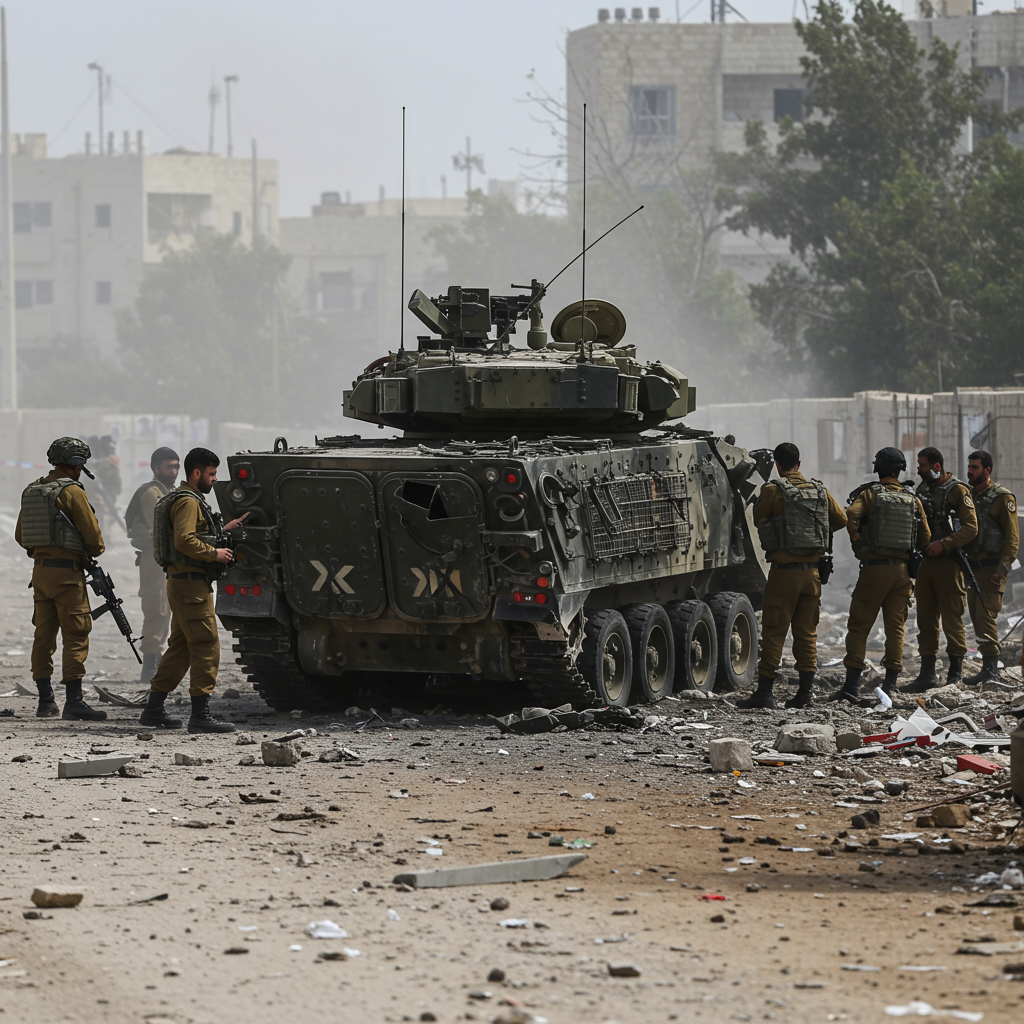
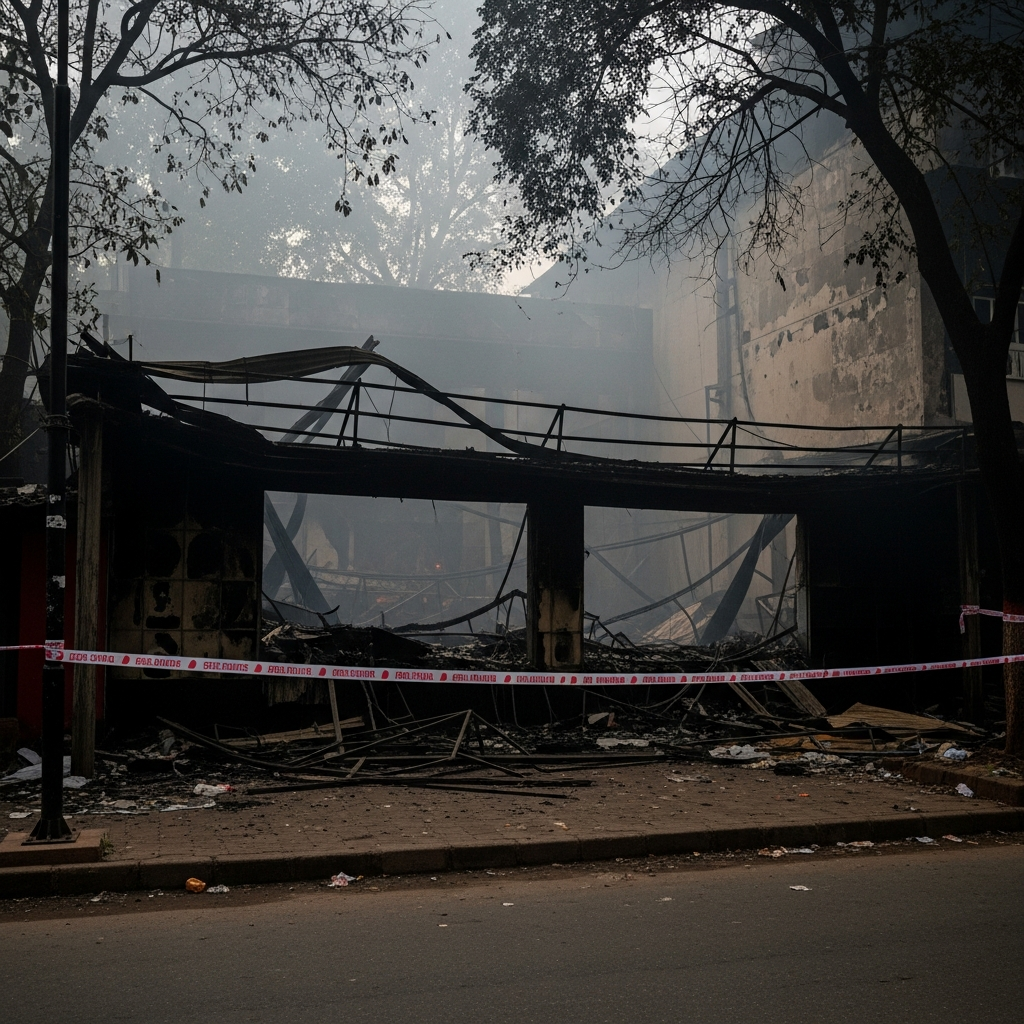
First responders, including local police, fire services, and volunteers, rushed to the scene. Their valiant efforts focused on evacuating survivors and retrieving those trapped inside. The air was thick with smoke and the sound of sirens, a stark contrast to the thumping music that had filled the night just hours before. The scale of the tragedy became apparent as morning broke, revealing the charred remains of the once-iconic establishment. Emergency medical teams worked tirelessly, attending to the injured, many suffering from smoke inhalation and burns.
The human cost of the Goa nightclub fire was immense. Families anxiously gathered outside, desperate for news of their loved ones. The incident spurred a massive community outpouring of support, with local residents offering aid, comfort, and assistance to the victims and their families. This collective response highlighted the resilience and compassion inherent in the Goan spirit, even in the face of such profound loss.
Investigating the Causes: What Went Wrong?
Authorities launched a comprehensive investigation into the fatal Goa blaze. Initial inquiries focused on several critical areas. One primary concern was the potential for overcrowding. Nightclubs often operate at or above their licensed capacity, creating dangerous bottlenecks during emergencies. Investigators also scrutinized the building’s infrastructure, specifically examining electrical wiring, fire suppression systems, and the availability and accessibility of emergency exits.
Reports indicated a potential lapse in the regular safety inspections required for entertainment venues. Many speculate that substandard materials, particularly highly flammable decorative elements, contributed to the fire’s rapid progression. Furthermore, the absence of clearly marked and unobstructed escape routes, coupled with potentially untrained staff regarding emergency procedures, amplified the danger for patrons. The findings of such an investigation typically highlight a confluence of factors, each contributing to the catastrophic outcome. This incident serves as a grim reminder that strict adherence to safety codes is non-negotiable for public venues.
Regulatory Scrutiny and the Path Forward
The aftermath of the Goa nightclub fire placed an intense spotlight on fire safety regulations and their enforcement across the state’s vibrant entertainment sector. Local authorities faced pressure to review and strengthen existing laws. Discussions typically involve increasing the frequency and stringency of fire safety audits, implementing mandatory staff training in emergency response, and enforcing stricter penalties for non-compliant venues. The goal is to ensure that no other establishment falls victim to similar preventable tragedies.
Industry experts often advocate for a multi-pronged approach to safety. This includes regular maintenance of electrical systems, the installation of modern fire detection and suppression technologies like automatic sprinklers, and clear, well-lit emergency signage. Moreover, public awareness campaigns are vital. Patrons need to be empowered with knowledge on how to identify potential hazards and what to do in an emergency. This collaborative effort between government, venue owners, and the public is essential for fostering a truly safe environment.
Essential Safety Lessons from the Goa Blaze
The tragic Goa nightclub fire offers invaluable lessons that must be etched into the minds of venue owners and patrons globally. Prioritizing safety is not just a regulatory requirement; it is a moral imperative.
Key takeaways include:
Unobstructed Emergency Exits: Always know where at least two exits are and ensure they are clear.
Capacity Limits: Venues must strictly adhere to their licensed capacity to prevent overcrowding.
Fire Detection and Suppression: Functioning smoke detectors, alarms, and sprinkler systems are non-negotiable.
Flammable Materials: Decorations and furnishings should be fire-retardant.
Staff Training: Club employees must be thoroughly trained in emergency procedures, including evacuation plans and first aid.
Regular Inspections: Local authorities must conduct frequent and thorough safety inspections.
- Public Awareness: Patrons should familiarize themselves with venue layouts and safety features upon entry.
Frequently Asked Questions
What were the immediate causes of the Goa nightclub fire?
The immediate causes of the hypothetical Goa nightclub fire were reportedly an electrical fault that rapidly escalated due to flammable interior decorations and an absence of adequate fire suppression systems. Compounded by potential overcrowding and obscured or inaccessible emergency exits, these factors contributed to the swift spread of the blaze and the resulting tragedy. Investigations typically pinpoint multiple contributing elements in such devastating incidents.
How are fire safety regulations enforced in Goa’s entertainment venues?
In the wake of incidents like the hypothetical Goa nightclub fire, enforcement of fire safety regulations in Goa’s entertainment venues would likely be intensified. This involves regular inspections by local fire safety departments, adherence to building codes, and mandatory certifications for electrical systems and fire suppression equipment. Compliance checks aim to ensure venues meet standards for emergency exits, capacity limits, and staff training. Stricter penalties for non-compliance would also be a focus.
What steps can patrons take to ensure safety in nightclubs?
Patrons can take several proactive steps to ensure their safety in nightclubs. Upon entering, quickly identify at least two emergency exits and note their locations. Be aware of the venue’s layout and capacity. If you notice signs of overcrowding, obstructed exits, or faulty electrical wiring, consider leaving or reporting it to staff. In an emergency, remain calm, follow staff instructions, and move quickly but orderly towards the nearest accessible exit.
A Call for Vigilance and Preparedness
The memory of the Goa nightclub fire serves as a permanent testament to the devastating consequences of neglecting safety. While Goa continues to enchant visitors with its vibrant nightlife, this tragic event underscores the collective responsibility of maintaining secure environments. For owners, it’s a call to implement and enforce the highest safety standards. For patrons, it’s an encouragement to be vigilant and informed. By fostering a culture of safety and preparedness, we can help ensure that the spirit of Goa’s legendary nights remains one of joy, not sorrow.