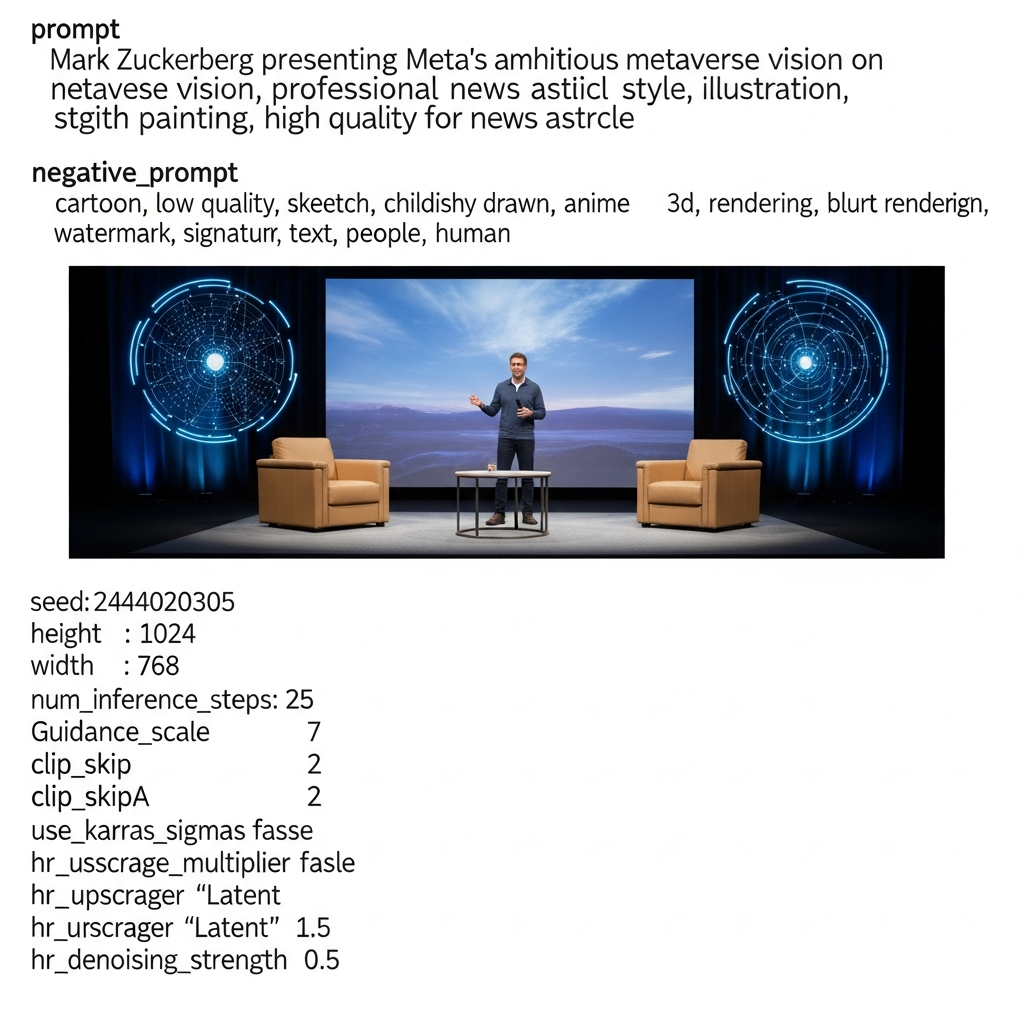
Mark Zuckerberg’s vision for the metaverse represents one of the most ambitious technological endeavors of our time. Meta, the company formerly known as Facebook, has poured billions into transforming itself into a leader in this nascent digital frontier. This comprehensive guide explores Zuckerberg’s strategic blueprint, detailing the core components, challenges, and long-term implications of Meta’s metaverse. Understanding this journey is crucial for anyone interested in the future of digital interaction, commerce, and social connection.
What Exactly Is Meta’s Metaverse Vision?
Meta’s metaverse vision goes beyond a simple virtual reality game. Mark Zuckerberg describes it as the “next chapter of the internet” – an “embodied internet” where you are in the experience, not just looking at it. This isn’t just about wearing a headset; it’s about creating persistent, interconnected virtual spaces where users can socialize, work, play, learn, and shop in entirely new ways. It aims to blend the physical and digital worlds seamlessly, offering a sense of presence and immersion unlike current internet experiences.
At its core, Meta envisions a metaverse built on these principles:
Presence: Feeling truly “there” with other people, regardless of physical distance.
Interoperability: The ability to move seamlessly between different virtual spaces and carry your digital assets (avatars, items) with you. This remains a significant long-term goal.
Creator Economy: Empowering individuals and businesses to build, own, and monetize digital content and experiences within the metaverse.
Ubiquity: Accessible across various devices, from VR headsets and AR glasses to phones and computers.
Zuckerberg believes this evolution will lead to a more natural and intuitive way for humans to interact digitally, breaking down geographical barriers and fostering new forms of creativity and economic opportunity.
Key Pillars of Meta’s Metaverse Strategy
Meta’s approach to building the metaverse is multifaceted, focusing on hardware, software, and the underlying economic infrastructure. Each pillar is critical to realizing Zuckerberg’s expansive vision.
Hardware Innovation: The Gateway to Immersion
The foundation of Meta’s metaverse strategy lies in its commitment to cutting-edge hardware. Reality Labs, Meta’s division dedicated to building the metaverse, invests heavily in virtual and augmented reality devices. The Oculus Quest (now Meta Quest) line of VR headsets is central to this effort, making immersive experiences more accessible to consumers.
Future innovations are paramount. Meta is developing advanced AR glasses, codenamed Project Cambria, designed to blend digital information with the real world. These devices aim to be lightweight, stylish, and powerful, eventually replacing smartphones as our primary computing device. Furthermore, Meta is researching haptic feedback technology and neural interfaces to enhance sensory immersion and interaction within virtual environments. This relentless pursuit of better, more natural human-computer interfaces defines their hardware push.
Software Ecosystem: Building the Digital Worlds
Hardware is just one piece of the puzzle; the software ecosystem brings the metaverse to life. Meta’s primary social VR platform, Horizon Worlds, is a crucial component. It allows users to create, explore, and interact in user-generated virtual environments. Horizon Workrooms extends this concept to professional settings, offering virtual meeting spaces for collaboration.
Meta also focuses on developing robust SDKs (Software Development Kits) and tools for creators. These tools enable developers and artists to build diverse experiences, from games and social hubs to educational simulations and virtual storefronts. The long-term goal is to foster a vibrant, self-sustaining ecosystem where content creation flourishes, driving engagement and expanding the metaverse’s utility beyond mere entertainment.
Economic Framework: A New Digital Economy
A thriving metaverse requires a robust digital economy. Zuckerberg envisions a space where creators can easily monetize their work, and users can own and trade digital goods. This involves integrating concepts like non-fungible tokens (NFTs) and blockchain technology, though Meta’s direct implementation often uses proprietary systems.
Within Horizon Worlds, creators can sell digital items and access to experiences. Meta takes a cut from these transactions, mirroring app store models. The company is exploring how digital identity, virtual currencies, and cross-platform asset ownership will function in a truly interoperable metaverse. This economic layer is vital for incentivizing participation and ensuring the metaverse can sustain itself as a new frontier for commerce and entrepreneurship.
The Roadblocks and Criticisms Facing Meta’s Metaverse
Despite Meta’s colossal investment and bold vision, the path to a fully realized metaverse is fraught with significant challenges and criticisms.
User Adoption Challenges
Mass adoption remains a substantial hurdle for Meta’s metaverse plans. Current VR headsets, while improving, are still relatively expensive, cumbersome, and can cause motion sickness for some users. The quality of experiences, particularly in early iterations of Horizon Worlds, has often been critiqued for being rudimentary or unengaging compared to established gaming platforms. For the metaverse to truly go mainstream, the technology needs to become more accessible, intuitive, and seamlessly integrated into daily life. Convincing billions of people to spend significant time in virtual worlds requires compelling use cases beyond novelty.
Privacy and Safety Concerns
Meta’s history with data privacy and content moderation casts a long shadow over its metaverse ambitions. Critics fear that a more immersive, persistent digital environment could exacerbate existing issues. Concerns include:
Data Collection: The sheer volume of biometric and behavioral data generated in VR/AR environments.
Harassment and Moderation: The difficulty of policing inappropriate behavior in real-time within complex virtual spaces.
Digital Identity and Security: Protecting user avatars and personal information from theft or misuse.
Zuckerberg and Meta have emphasized their commitment to building a safe and private metaverse, but past controversies mean the company faces an uphill battle to earn public trust regarding these critical issues.
Significant Financial Investments and Returns
Meta has invested tens of billions of dollars into Reality Labs, the division responsible for the metaverse, consistently reporting substantial operating losses. While Zuckerberg frames this as a long-term strategic investment, shareholders and analysts are keen to see tangible returns. The high cost of research and development, coupled with slower-than-anticipated user growth, puts pressure on Meta to demonstrate clear progress and a viable path to profitability. This immense financial gamble underscores both the company’s belief in the metaverse and the inherent risks involved.
Looking Ahead: The Future of Zuckerberg’s Metaverse
Zuckerberg views the metaverse as a multi-decade project, emphasizing that widespread adoption and full realization are still many years away. Future developments will likely focus on:
Advanced AI Integration: Making virtual characters and environments more intelligent and responsive.
Hyper-realistic Graphics: Pushing the boundaries of visual fidelity to create indistinguishable virtual worlds.
Seamless AR/VR Blending: Perfecting devices that can fluidly transition between virtual and augmented realities.
Interoperability Standards: Collaborating with other tech companies to establish open standards for metaverse components, although Meta’s approach often leans towards a more controlled ecosystem.
The ultimate impact of Meta’s metaverse remains to be seen. It has the potential to redefine social interaction, education, work, and entertainment. However, its success hinges on Meta’s ability to overcome current technical limitations, address critical social and ethical concerns, and ultimately convince a global audience that the “embodied internet” is a valuable and necessary next step for humanity. It’s a bold gamble, shaping not just Meta’s future, but potentially the very fabric of our digital lives.
Frequently Asked Questions
What exactly is the “metaverse” according to Mark Zuckerberg and Meta?
Mark Zuckerberg defines the metaverse as the “next chapter of the internet,” an “embodied internet” where users feel truly present with others in persistent, interconnected virtual spaces. It’s envisioned as a blend of physical and digital realities, accessible across various devices, designed for social interaction, work, learning, and commerce. The goal is to move beyond simply looking at screens to truly being inside* digital experiences, fostering a greater sense of connection and presence.
What hardware is essential for experiencing Meta’s metaverse today?
Currently, the primary hardware for experiencing Meta’s metaverse is the Meta Quest line of virtual reality headsets. Devices like the Meta Quest 2 and Meta Quest 3 provide the immersive visual and audio experience necessary to navigate platforms like Horizon Worlds. While Meta is also developing advanced augmented reality (AR) glasses, these are still in earlier stages of development and not yet widely available to consumers. For now, a Meta Quest headset is your main gateway.
Is investing in Meta’s metaverse a smart move for businesses?
For businesses, the decision to invest in Meta’s metaverse depends heavily on industry, target audience, and long-term strategy. While Meta is pouring billions into the vision, the metaverse is still nascent and user adoption is not yet widespread. Early adopters might gain a competitive edge in brand recognition and experimental engagement, but significant financial returns are not guaranteed in the short term. Businesses should consider piloting virtual experiences, creating digital goods, or exploring new advertising channels, but approach large-scale investments with caution, viewing it as a long-term strategic play rather than an immediate revenue driver.
Conclusion
Mark Zuckerberg’s metaverse plans represent a colossal undertaking, aiming to redefine how we interact with technology and each other. Meta’s strategic pillars – from advanced hardware like the Quest headsets to platforms like Horizon Worlds and a burgeoning digital economy – are meticulously designed to bring this vision to life. While the path is challenging, marked by user adoption hurdles, privacy concerns, and immense financial outlays, Meta remains committed to its long-term bet. The future of the metaverse, and Meta’s place within it, will depend on continuous innovation, thoughtful user engagement, and the company’s ability to build trust and deliver genuinely valuable, immersive experiences.