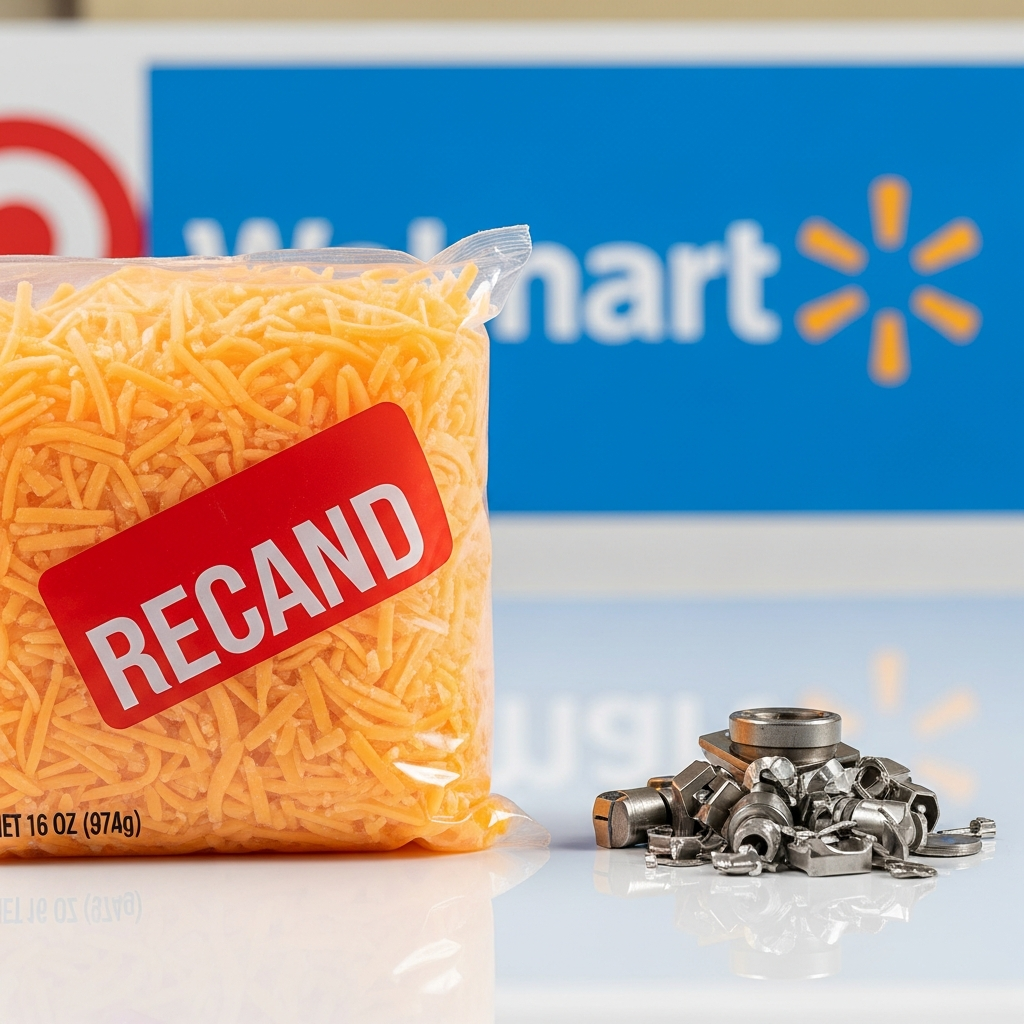
A critical food safety alert has been issued for shredded cheese products sold at major retailers including Target and Walmart. Consumers are urged to immediately check their refrigerators for potentially contaminated cheese due to the alarming possibility of metal fragments. This urgent shredded cheese recall highlights a serious health risk, prompting swift action from manufacturers and retailers to protect public health. If you have recently purchased shredded cheese, understanding this advisory is crucial for your safety and that of your family.
Understanding the Urgent Shredded Cheese Recall
The recent shredded cheese recall has sent a ripple through grocery aisles, putting consumers on high alert. This isn’t a typical expiration date issue; the concern here is potential metal contamination. Imagine biting into your favorite cheesy dish only to encounter a piece of metal. This is the serious hazard prompting this widespread recall. While specific brands and product codes typically accompany such alerts, the scope has been confirmed to involve multiple major retailers, signaling a potentially broad impact. The priority is to ensure all consumers are aware and take immediate steps to verify their purchases.
Why Metal Contamination Poses a Serious Risk
The presence of foreign objects like metal in food is a grave concern for food safety experts. Even small metal fragments can cause significant harm. Ingesting metal can lead to various injuries, ranging from cuts and lacerations to the mouth, throat, and digestive tract, to more severe internal damage. Choking hazards are also a major consideration, especially for children or individuals with difficulty swallowing. Furthermore, sharp metal pieces could potentially puncture internal organs, leading to life-threatening complications requiring emergency medical attention. This inherent danger is precisely why manufacturers, in cooperation with regulatory bodies, issue urgent recalls as soon as such a risk is identified. Protecting consumers from these unforeseen hazards is paramount.
Which Retailers are Affected by This Safety Alert?
The shredded cheese recall has specifically named prominent retailers such as Target and Walmart. This means millions of households across the United States could be impacted. While these two retail giants have been explicitly mentioned, it’s prudent for consumers to exercise caution when purchasing shredded cheese from any grocery store during this period. Often, a recall initiated by a single manufacturer can affect various stores that carry their products under different brand names or private labels. Always stay informed about food safety alerts from your local supermarkets.
Checking Your Fridge: What to Look For
Identifying whether your shredded cheese is part of the recall requires careful inspection. Since explicit product details (UPC codes, batch numbers) are typically released by the recalling company, the general advice is to look for official recall notices from the retailers or the manufacturer. These notices will provide precise information. However, as a general rule, if you have any doubts about a bag of shredded cheese purchased recently from Target, Walmart, or other stores, it is best to err on the side of caution. Do not consume any product if you suspect it might be compromised. Look for specific brand names, package sizes, best-by dates, and manufacturing codes referenced in official announcements.
The Role of UPC Codes and Best-By Dates
When a product recall occurs, manufacturers provide specific identifiers to help consumers pinpoint affected items. Universal Product Codes (UPC) are unique barcodes on packaging that can trace a product back to its origin. Similarly, “best-by” or “expiration” dates, along with specific lot or batch codes, are crucial for identifying recalled items. These codes indicate when and where a product was manufactured, making it possible to isolate specific production runs that may have been exposed to contaminants. Always compare these numbers from your product’s packaging against those listed in official recall announcements. This precise matching is the most reliable way to determine if your shredded cheese is part of the affected batch.
Immediate Actions for Consumers: Protect Your Health
If you have purchased shredded cheese from Target, Walmart, or other stores recently, and it matches any details from official recall announcements, taking immediate action is vital. Your safety is the top priority. The most crucial step is to do not consume the product under any circumstances. Even if you don’t immediately see foreign objects, the risk of microscopic fragments or concealed pieces remains.
Your Step-by-Step Guide to Action
- Do Not Eat: Dispose of the affected shredded cheese immediately. Placing it in a sealed bag before discarding can prevent others from accidentally consuming it.
- Check for Details: Consult official recall notices issued by the manufacturer or retailers like Target and Walmart. These notices will often be posted on their websites or in stores.
- Return for Refund: Most retailers will offer a full refund for recalled products. Take the product (or proof of purchase, if the store allows it) back to the place of purchase.
- Stay Informed: Keep an eye on news updates and official food safety websites for any further information or expanded recalls.
- Report Concerns: If you or someone you know has consumed the product and experiences any symptoms, seek medical attention immediately and report it to your local health department or the FDA.
The Bigger Picture: Food Safety and Recalls
Product recalls, while disruptive, are a vital component of a robust food safety system. They serve as a crucial safeguard, protecting millions of consumers from potentially harmful products. When a company voluntarily issues a shredded cheese recall, it signifies their commitment to public health and compliance with regulatory standards. These actions are often initiated after internal quality control checks, consumer complaints, or regulatory inspections reveal a problem.
How Food Recalls Protect Public Health
The entire recall process is designed to minimize risk to consumers. Once a hazard, such as metal contamination in shredded cheese, is identified, manufacturers work quickly to cease production and distribution of the affected batch. Retailers are then notified to remove the products from shelves. Public announcements are made through various channels to inform consumers. This systematic approach prevents further sales and consumption of dangerous food items. Effective food recalls are a testament to the ongoing efforts by regulatory bodies like the FDA (Food and Drug Administration) in the U.S. and industry stakeholders to maintain the highest standards of food safety.
Manufacturer Responsibilities in Product Safety
Manufacturers bear primary responsibility for the safety of their products. This includes implementing rigorous quality control measures throughout the entire production process, from sourcing raw materials to packaging the final product. For an item like shredded cheese, this means meticulous checks for foreign objects, proper pasteurization, and hygienic processing environments. When a lapse occurs, such as equipment malfunction leading to metal fragments, responsible manufacturers are expected to act swiftly. They must investigate the root cause, notify regulatory agencies, and execute a comprehensive recall to mitigate harm. Their proactive response is key to maintaining consumer trust and adhering to stringent food safety laws.
Beyond the Recall: Maintaining Vigilance in Your Kitchen
While this specific shredded cheese recall addresses an immediate threat, practicing general food safety in your home is always important. Always purchase food from reputable sources. Store perishable items, like cheese, at appropriate temperatures to prevent bacterial growth. Regular cleaning of your kitchen surfaces and utensils also contributes significantly to a safe food environment. Pay attention to packaging integrity before purchase and use. This proactive approach ensures that your home kitchen remains a safe space for food preparation, minimizing the risk of various foodborne illnesses and contaminations.
Maintaining Vigilance in Your Kitchen
Even after this particular recall fades, cultivating a vigilant approach to food safety remains critical for every household. Always inspect food packaging for any signs of tampering or damage before purchase. Pay attention to labels, especially for ingredients and allergen information. When preparing meals, follow proper hygiene practices, such as washing hands thoroughly and cleaning surfaces. For dairy products like cheese, ensure they are stored correctly at refrigerated temperatures to maintain quality and safety. By adopting these simple yet effective habits, you empower yourself to prevent potential food hazards and ensure the well-being of your family.
Frequently Asked Questions
What makes metal contamination in food so dangerous?
Metal contamination in food poses significant health risks because ingesting even small fragments can cause serious internal injuries. These can include cuts and lacerations to the mouth, throat, esophagus, and digestive tract. Larger or sharper pieces can lead to choking, internal bleeding, or even perforation of organs, which may require emergency surgery. The danger is heightened because metal may not be visible to the naked eye, making the risk unexpected and potentially leading to severe, unforeseen medical complications. Regulatory bodies issue recalls swiftly to prevent such injuries, emphasizing the gravity of this particular hazard.
How do I find out if a specific shredded cheese product is part of this recall?
To determine if a specific shredded cheese product is part of this recall, you should primarily consult official recall notices. These are typically issued by the manufacturer, relevant government food safety agencies (like the FDA or USDA in the U.S.), and the retailers involved (such as Target and Walmart). These notices will list specific product details, including brand names, product descriptions, package sizes, Universal Product Codes (UPC), best-by dates, and manufacturing lot codes. Compare these identifiers on your product’s packaging against the details provided in the official advisories. If there’s a match, dispose of the product immediately and follow the return instructions.
What are my rights if I purchased recalled shredded cheese?
If you have purchased recalled shredded cheese, you are generally entitled to a full refund or exchange from the retailer where you bought the product. Stores like Target and Walmart typically have clear policies for handling recalled items. It is advisable to retain your receipt as proof of purchase, though some stores may process a refund without it, especially for widespread recalls. Simply return the affected product (or sometimes just the packaging) to the customer service desk. If you or a family member consumed the product and experienced adverse health effects, you may also have the right to seek medical attention and potentially pursue further action, such as reporting the incident to regulatory authorities or seeking legal advice.
Conclusion
The shredded cheese recall affecting major retailers like Target and Walmart due to potential metal contamination is a serious reminder of the importance of food safety vigilance. It’s crucial for every consumer to take this alert seriously. Check your refrigerators, verify your purchases against official recall notices, and if in doubt, dispose of the product. Prioritizing your health means staying informed and acting swiftly. Share this critical information with friends and family to ensure everyone in your community remains safe and aware of this important food safety advisory.