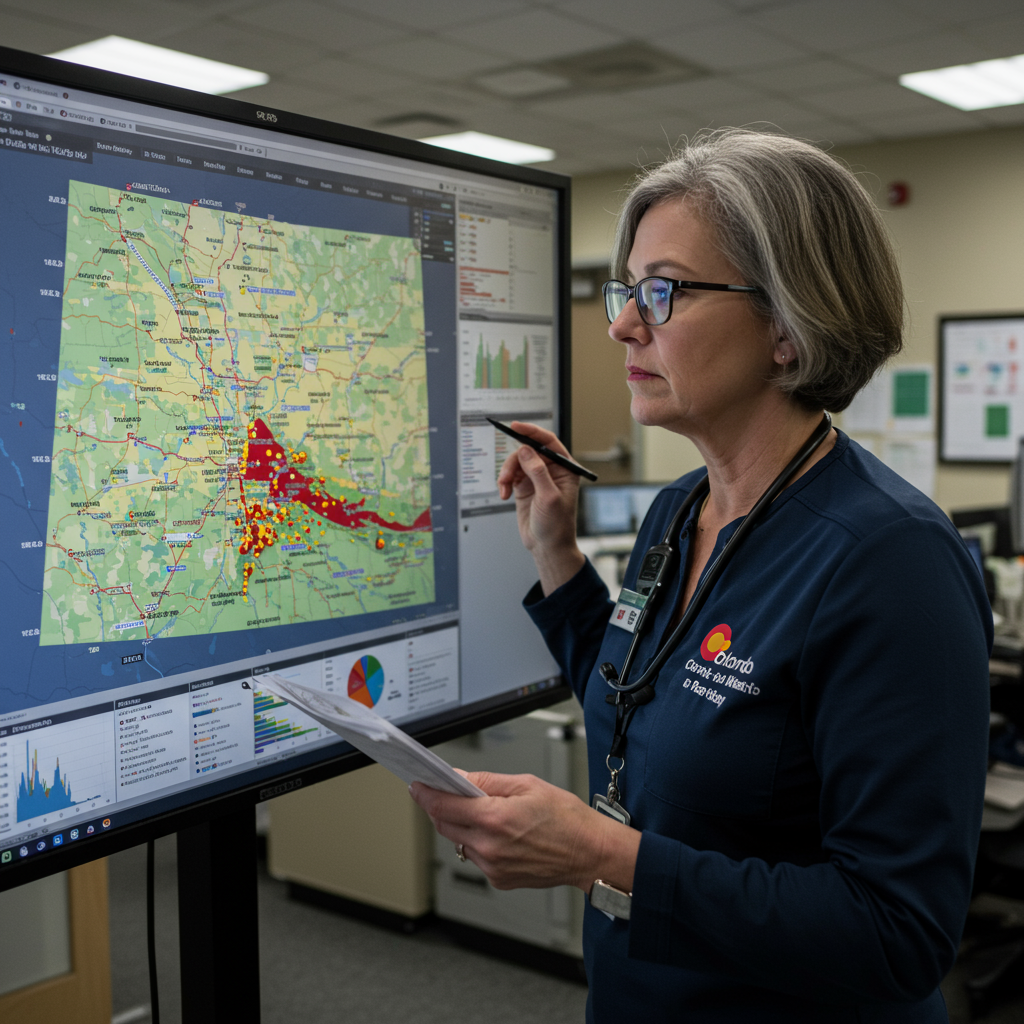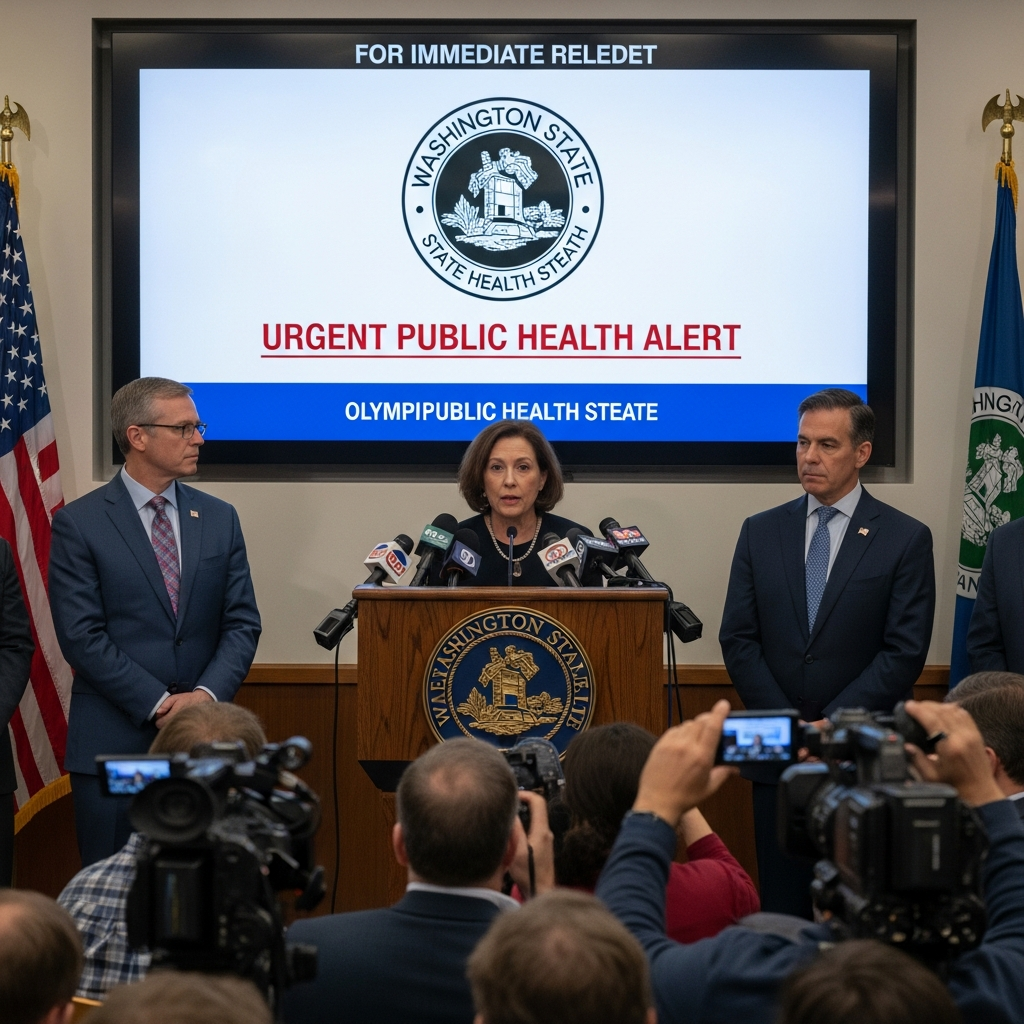
A rare and unprecedented case of avian influenza has emerged, as health officials in Washington state confirm the first recorded human death from the H5N5 bird flu strain. This fatality, involving an older adult with underlying health conditions, marks the first known human infection globally by this specific variant. Despite this tragic development, state and federal authorities emphasize that the risk to the general public remains low, with no evidence of human-to-human transmission detected so far. This news underscores the importance of ongoing public health surveillance for emerging zoonotic diseases.
Unprecedented Case: A Novel Bird Flu Strain Emerges in Washington
The individual, identified as an older adult from Grays Harbor County, tragically succumbed to complications from the H5N5 bird flu. Grays Harbor County is located approximately 125 kilometers southwest of Seattle. Health officials suspect the infection originated from the man’s backyard flock of domestic poultry. These birds were likely exposed to wild birds, which are natural carriers of avian influenza viruses. The Washington State Department of Health (DOH) confirmed this unique case. The Centers for Disease Control and Prevention (CDC) validated the H5N5 identification, initially made by the UW Medicine Clinical Virology Lab.
Tracing the Source and Monitoring Public Health Response
Following this grim discovery, health authorities acted swiftly. They conducted environmental sampling of the deceased’s bird flock and its habitat. This confirmed the presence of the avian influenza virus, reinforcing the suspected source of infection. Crucially, intensive monitoring of all close contacts revealed no further human infections. This provides critical data, supporting the current low-risk assessment for the general public. The CDC had previously stated that the initial infection report did not suggest an increased public health risk. Surveillance efforts by state and federal agencies continue around the clock to monitor for any changes in the virus’s behavior.
H5N5 vs. H5N1: Understanding the Avian Influenza Landscape
The emergence of H5N5 bird flu in humans raises important questions about its potential impact. How does this novel strain compare to other, more commonly discussed avian influenza viruses? Specifically, the H5N1 virus has been responsible for a significant wave of infections. Approximately 70 reported human infections linked to H5N1 occurred in the U.S. during 2024 and 2025. Most of these cases were mild. They primarily affected workers on dairy and poultry farms with direct animal contact. Health experts currently do not consider H5N5 to be a greater threat to human health than H5N1.
A Subtle but Significant Viral Distinction
The primary distinction between H5N5 and H5N1 lies in a specific protein structure. This protein is vital for the virus’s release from an infected cell and its subsequent spread to surrounding cells. This biological difference can influence how the virus behaves and potentially its pathogenicity. Epidemiologists are closely watching for any signs of viral evolution, seeking to understand potential implications for human health and transmissibility. The broader context highlights the widespread nature of avian influenza across animal populations. The virus has been detected in wild birds globally since January 2022. More recently, in March of last year, it appeared in dairy cows for the first time. Other mammals, including pigs and cats, are also known to be susceptible to infection, making interspecies transmission a critical area of surveillance.
Recognizing Symptoms and Preventing Bird Flu Transmission
Knowing the symptoms of avian influenza is crucial for early detection and response. The NHS outlines key indicators that can appear very quickly after infection. These include a very high temperature or feeling hot and shivery. Aching muscles, a persistent headache, a cough, or shortness of breath are also common. Other early symptoms might involve gastrointestinal issues such as diarrhea, sickness, or stomach pain. Less common but severe symptoms can include chest pain, bleeding from the nose and gums, and conjunctivitis (red or inflamed eyes). Symptoms typically manifest within 3 to 5 days of exposure. Without prompt medical attention, severe complications like pneumonia and acute respiratory distress syndrome can develop rapidly, sometimes within days of symptom onset.
Limiting Exposure: Practical Steps for Protection
Bird flu is primarily spread through close contact with infected birds, whether they are dead or alive. This encompasses direct physical contact with the birds themselves, their droppings, or contaminated bedding. Activities like killing or preparing infected poultry for cooking also carry a high risk of exposure. While robust scientific evidence suggests human-to-human transmission of this specific virus is rare, vigilance is key. To mitigate risk, individuals who work with or are exposed to domestic or wild birds should implement strict precautions. Wearing appropriate personal protective equipment (PPE), such as gloves, masks, and eye protection, is highly recommended. Avoiding contact with sick or dead birds or wildlife is essential. Backyard flock owners are urged to report any sick birds promptly to local authorities and adhere strictly to biosecurity measures. Furthermore, getting a seasonal flu vaccination is recommended for at-risk groups, not to prevent bird flu directly, but to reduce the rare theoretical risk of co-infection with both human and avian influenza viruses. Such a co-infection could potentially lead to viral recombination, creating a new strain more easily transmissible between people.
Ongoing Surveillance and Future Preparedness
The detection of this novel H5N5 bird flu case underscores the critical importance of continuous public health surveillance. Health authorities in Washington state and the CDC maintain rigorous vigilance. They monitor for new bird flu strains in both animal and human populations. This proactive, “One Health” approach aims to swiftly identify and contain any future outbreaks or detect early signs of increased human transmissibility. While the immediate risk to the general public remains low, global awareness and robust preparedness strategies are essential. Understanding how such viruses circulate and evolve among animal populations is key to informing effective public health strategies. This vital knowledge helps protect communities from emerging infectious diseases and ensures a coordinated response to potential future health challenges.
Frequently Asked Questions
What is H5N5 bird flu and why is this case significant?
The H5N5 bird flu is a specific strain of avian influenza that recently caused a human fatality in Washington state. This case is profoundly significant because it marks the first known human infection and death globally from this particular H5N5 variant. Its emergence highlights the ongoing potential for zoonotic spillover events, where viruses jump from animals to humans. Public health agencies like the CDC and the Washington State Department of Health are closely monitoring the situation to understand the virus’s characteristics and to ensure the public’s safety, even as they assess the overall risk as low.
How can individuals protect themselves from bird flu exposure?
To minimize the risk of bird flu exposure, especially for those who interact with poultry or wild birds, several precautions are recommended. Key measures include wearing appropriate personal protective equipment (PPE) when handling birds or their environments, strictly avoiding contact with sick or dead birds (whether domestic or wild), and practicing rigorous hand hygiene. Owners of backyard flocks should promptly report any sick birds to local authorities and follow established biosecurity protocols. Additionally, health officials suggest that at-risk individuals consider getting a seasonal flu vaccination to reduce the rare, theoretical risk of co-infection with human and avian influenza viruses.
Is the H5N5 bird flu strain more dangerous than H5N1?
Based on current assessments from health officials and the CDC, the H5N5 bird flu strain is not considered a greater threat to human health than the H5N1 virus. The H5N1 strain has been responsible for many more reported human infections in the U.S. in recent years (approximately 70 cases in 2024-2025), though most of these cases were mild and occurred in individuals with direct animal contact. While H5N5 is genetically distinct due to a specific protein affecting viral spread, this singular human fatality does not indicate it is inherently more dangerous than the known patterns of H5N1. Both strains require diligent surveillance.
This tragic H5N5 bird flu death in Washington serves as a stark reminder. It highlights the dynamic nature of zoonotic diseases and the continuous need for vigilance. While authorities assure the public the immediate risk remains low, staying informed about avian influenza and following expert guidance is paramount. This proactive approach helps protect individual health and public safety. Continue to monitor official health advisories for the latest updates. Understanding these rare events helps us build stronger defenses against future health challenges.