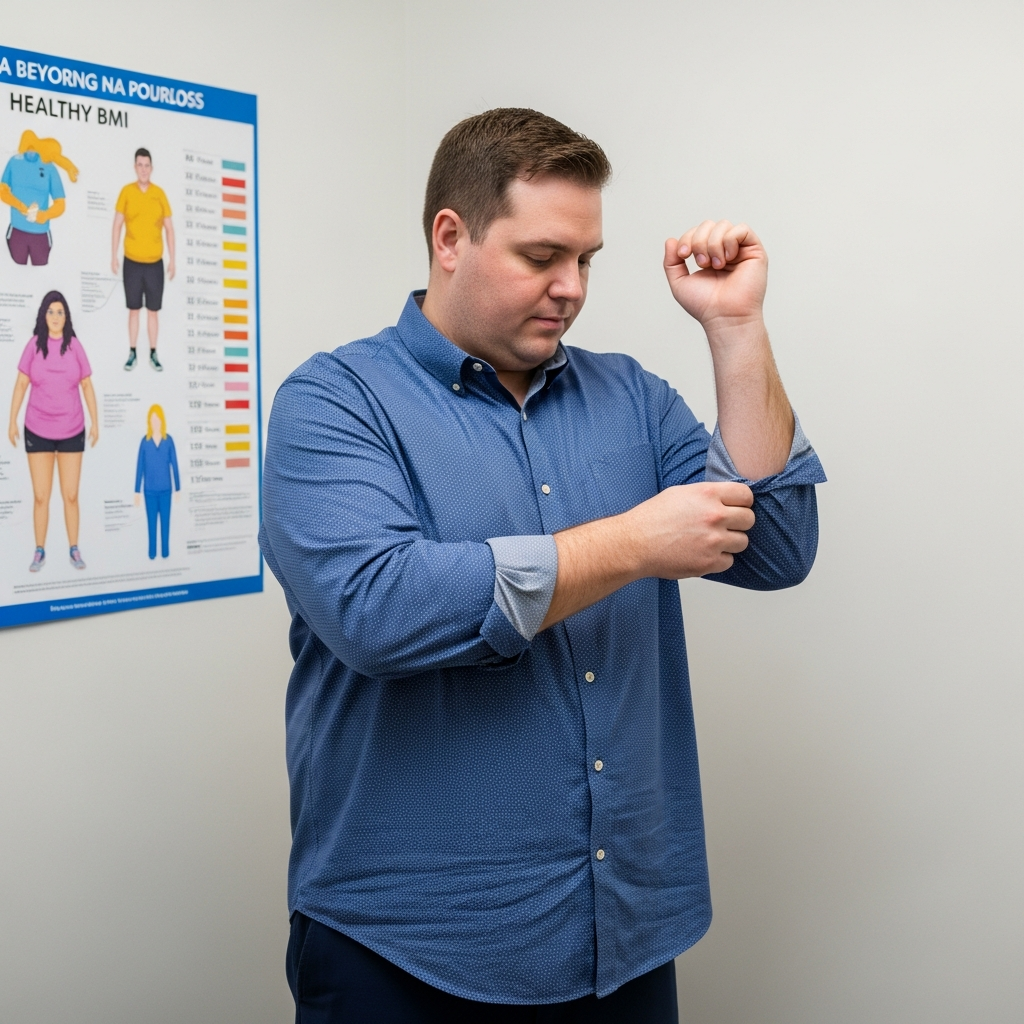
Achieving significant weight loss is a monumental triumph, often leading to profound health benefits and renewed self-confidence. Yet, for many, this journey brings an unexpected challenge: loose skin after weight loss. This common issue, increasingly prevalent with rapid weight loss methods like GLP-1 medications (Wegovy, Ozempic, Mounjaro), can be a source of frustration, impacting body image and even physical comfort. Understanding why it happens and exploring effective solutions is crucial for embracing your transformed body fully.
This guide delves into the science behind sagging skin, explores a range of proven non-surgical interventions, and provides an honest look at surgical body contouring. Whether you’ve lost a few pounds or over a hundred, you’ll find comprehensive insights to help you navigate this complex aspect of your weight loss journey.
The Reality of Loose Skin After Weight Loss
The skin is an incredibly adaptable organ, stretching to accommodate weight gain and attempting to retract after weight loss. However, this elasticity has its limits. Rapid fat loss, especially substantial amounts (e.g., 25% of body weight or over 100 pounds), often leaves the skin unable to fully “snap back.”
Why Does Skin Lose Its Snap?
The skin’s ability to recoil depends on two vital proteins: collagen and elastin. Collagen provides structure and support, while elastin gives skin its stretch, “bounciness,” and ability to rebound. When skin stretches for extended periods due to weight gain, these fibers can become damaged, much like an overstretched rubber band. Dr. Brian Hibler, a board-certified dermatologist, explains that while youthful skin boasts high recoil, older skin, having lost elastin, appears deflated and lacks this rebound capacity.
Several factors accelerate this damage:
Age: Collagen and elastin naturally decline with age.
Sun Exposure: UV radiation degrades skin proteins.
Smoking: Impairs collagen production and blood flow.
Poor Nutrition: Lacks essential nutrients for skin health.
Genetics: Plays a role in individual skin elasticity.
Rapid vs. Gradual Weight Loss: Consultant plastic surgeon Dr. Mark Solomos notes that rapid fat loss prevents connective tissues from adapting. Gradual weight loss allows elastin fibers more time to realign, reducing laxity.
Stretch Marks: Extensive stretch marks often indicate significant skin damage, signaling that the skin will not recoil effectively.
More Than Just Aesthetics: The Impact of Sagging Skin
While the aesthetic concerns are often primary, excess skin after weight loss can also lead to physical and emotional challenges.
Emotional & Psychological: Many individuals feel their transformed bodies don’t reflect their hard work. Emilly Murray, who lost six stone with injections, described her loose thigh skin as “horrendous,” making her feel like a “catfish” when naked. This disconnect between internal achievement and external appearance can severely impact self-confidence. The phenomenon of “Ozempic face” highlights facial sagging after rapid fat loss, leading to a prematurely aged appearance.
Physical Discomfort: Redundant skin folds can trap moisture, leading to rashes, chafing, odor, and infections. It can also restrict movement, making exercise difficult and affecting clothing fit. Some experts, like biohacker Dave Asprey, suggest excess skin might even affect physiological functions like circulation and lymphatic drainage.
Non-Surgical Strategies for Skin Tightening
For mild to moderate skin laxity, or as a supportive measure, several non-surgical approaches can help improve skin firmness and texture.
Lifestyle & Nutritional Pillars
Supporting your body’s natural collagen production is fundamental.
Gradual Weight Loss: Dr. Nicholas Jones, a double board-certified plastic surgeon, recommends a slower pace of weight loss to give your skin more time to remodel and adapt.
Strength Training: Building muscle can significantly improve appearance. As New York-based personal trainer Natalie Alex emphasizes, muscle growth fills the space left by lost fat, leading to a firmer, more contoured look. Strength training boosts collagen production by increasing blood flow, delivering vital nutrients to fibroblast cells, and stimulating growth hormones. Aim for 8-12 weeks for visible changes, with significant improvements over 3-6 months.
Balanced Nutrition: Fueling collagen synthesis requires specific nutrients. Registered dietitian nutritionist Mascha Davis highlights:
Vitamin C: (citrus, berries, bell peppers, broccoli)
Protein: (fish, poultry, eggs, beans, legumes) providing essential amino acids.
Minerals: Copper and zinc (nuts, whole grains).
Hydration: Adequate water intake and electrolytes support overall skin health and elasticity.
Skincare Basics: Dr. Daniel Rosen, a bariatric surgeon, recommends regular moisturizer, Tretinoin (a prescription retinoid) to improve skin texture and tightness, and daily sunscreen use to protect existing collagen.
Advanced Non-Invasive Treatments
When lifestyle changes aren’t enough, various in-clinic procedures stimulate collagen and tighten skin. These work best for mild to moderate laxity.
Radiofrequency (RF) Therapy: Devices like Thermage and Morpheus8 use heat to stimulate collagen production in deeper skin layers.
Thermage: Uses RF energy to tighten skin on the face, neck, and body. Results appear 4-6 months post-treatment and can last up to two years.
Morpheus8: Combines RF energy with microneedling, using tiny needles to deliver heat deeper into the skin. This can be effective on the face, abdomen, arms, and other areas.
Internal RF Devices: Used in a surgical setting, these target deeper collagen bands, shrinking skin closer to underlying muscles for mild-to-moderate laxity.
Ultrasound Therapy:
Ultherapy: Uses high-frequency ultrasound energy to reach deeper skin layers, stimulating collagen and providing a lifting effect. It is FDA-approved for the abdomen and arms, and popular for face and neck.
Sofwave: Another ultrasound technology targeting mid and superficial skin layers, offering strong lifting for mild to moderate laxity.
Biostimulator Fillers: For facial volume loss (e.g., “Ozempic face”), hyaluronic acid fillers can restore volume. Biostimulatory fillers like Sculptra stimulate your body’s natural collagen production over time to improve skin tightness. Fat grafting, transferring your own fat cells to the face, is another option for lasting volume restoration.
Collagen Supplements: While research varies, some collagen-packed drinks and supplements aim to deliver essential amino acids to support collagen and elastin production. Piers Raper, CEO of Skinade, highlights products using hydrolyzed marine collagen peptides.
It’s crucial to have realistic expectations for non-surgical treatments. As Dr. Mark Solomos states, results are often subtle, temporary, and inconsistent compared to surgery, especially for significant laxity. Dave Asprey, who lost over 100 pounds, tried various non-surgical methods extensively before concluding that for substantial excess skin, surgery was ultimately necessary.
Surgical Body Contouring: The Gold Standard
For individuals with significant loose skin after weight loss, particularly following extreme weight loss or bariatric surgery, surgical body contouring remains the most effective solution. These procedures remove excess skin and reshape the body’s contours.
Types of Body Contouring Surgeries:
Abdominoplasty (Tummy Tuck): Removes excess skin and fat from the abdomen, often tightening underlying muscles. A panniculectomy specifically removes the overhanging “pannus” of skin.
Brachioplasty (Arm Lift): Addresses sagging skin on the upper arms.
Rhytidectomy (Facelift): Targets facial sagging.
Mastopexy (Breast Lift): Lifts and reshapes sagging breasts.
Thigh Lift: Removes excess skin from the inner or outer thighs.
Circumferential Body Lift: A comprehensive procedure addressing the abdomen, back, buttocks, and thighs.
Many patients opt for multiple procedures to achieve a cohesive result. These extensive surgeries can last several hours and carry risks such as scars, seroma (fluid accumulation), bleeding, infection, delayed healing, and blood clots. Choosing a board-certified plastic surgeon is paramount to ensure safety and optimal outcomes.
When to Consider Surgery
Experts typically recommend waiting a minimum of one year, and preferably two years, after reaching a stable weight before pursuing surgery. This allows your body to stabilize and for any natural skin remodeling to occur.
The Challenge of Access and Cost
While surgery is often the definitive answer for significant excess skin after weight loss, accessing it can be a major hurdle.
NHS Access: In the UK, body contouring procedures are rarely available on the NHS. Mark Soldin, a plastic surgeon, explains that patients must meet strict criteria, demonstrating that loose skin severely interferes with daily tasks like washing or dressing. Despite obesity being an NHS priority, surgical skin removal is largely deemed cosmetic and receives low government funding.
Private Costs: Private procedures are prohibitively expensive. A single procedure like a tummy tuck might start around $6,000, but comprehensive body contouring for multiple areas can cost up to $40,000 or even $100,000 in major cities. This financial burden often forces individuals to save aggressively, take out loans, or seek cheaper options abroad.
- Overseas Surgery Risks: The trend of traveling abroad for more affordable surgery carries significant risks. Baaps warns against this, noting an increase in complications from overseas procedures, particularly tummy tucks. Extensive surgeries can lead to higher risks of medical complications like hypothermia, pressure sores, and infection. Always discuss such plans with your GP.
- www.bbc.com
- www.forbes.com
- www.muscleandfitness.com
- www.dailymail.co.uk
- professionalbeauty.co.uk
Beyond the Physical: Embracing Your Journey
The journey after substantial weight loss is complex. For some, like Laura Hughes, who lost 12 stone, the life-changing health benefits and newfound confidence outweigh aesthetic concerns about loose skin. She embraces her body, focusing on her ability to enjoy social activities and new hobbies.
Ultimately, the decision to address sagging skin after weight loss is deeply personal. It involves weighing comfort, function, aesthetics, financial constraints, and psychological well-being. Whether you choose non-surgical methods, surgery, or a path of acceptance, prioritizing your overall health and self-image is key.
Frequently Asked Questions
What causes loose skin after significant weight loss, especially with rapid methods?
Loose skin after weight loss primarily results from the stretching and subsequent inability of the skin to adequately recoil. Key proteins, collagen (for structure) and elastin (for elasticity), get damaged or lose their “snap” when skin is expanded for extended periods. Rapid weight loss, common with GLP-1 medications or bariatric surgery, prevents the skin’s connective tissues from adapting to the quick reduction in fat volume, leaving them unable to contract sufficiently. Factors like age, sun damage, genetics, and whether you have stretch marks further impact the skin’s ability to firm up.
What are the most effective non-surgical options for tightening loose skin?
For mild to moderate skin laxity, several non-surgical options can stimulate collagen production. Strength training is paramount, as building muscle can fill the space left by lost fat, creating a firmer, more contoured look and improving skin elasticity. In-clinic procedures like Radiofrequency (RF) microneedling (e.g., Morpheus8) and focused ultrasound (e.g., Ultherapy, Sofwave) use heat or energy to stimulate new collagen in deeper skin layers, tightening and improving texture. Topical retinoids and a nutrient-rich diet (especially Vitamin C and protein) also support skin health.
When should someone consider surgery for loose skin, and what are the challenges?
Surgery is generally considered the “gold standard” for significant loose skin, especially after substantial weight loss (e.g., over 100 pounds). Experts recommend waiting 1-2 years after reaching a stable weight to allow for natural skin remodeling. Challenges include high costs (potentially tens of thousands of dollars for multiple procedures privately), limited NHS access (requiring strict medical criteria), and the risks associated with overseas surgery, which can be cheaper but often less regulated. Surgery carries inherent risks like scarring, infection, and complications, making careful consideration and choosing a board-certified surgeon vital.
Conclusion
The journey of weight loss is transformative, and addressing loose skin after weight loss is an integral part of this process for many. From foundational lifestyle adjustments like targeted strength training and optimal nutrition to advanced non-surgical treatments and, when necessary, surgical body contouring, a range of options exists to help you achieve your desired aesthetic and comfort.
Remember, every individual’s journey is unique. Consult with healthcare professionals and specialists to create a personalized plan that respects your body’s needs and your personal goals. Embrace the incredible progress you’ve made, and confidently explore the solutions that will help you feel truly at home in your new body.